Densiti (덴서티): The Non-Surgical Lifting Treatment Taking Korean Clinics by Storm
If you’ve been scrolling through Korean beauty content lately — or researching what to book during a trip to Seoul — you’ve almost certainly encountered the word 덴서티 (Densiti). It’s showing up on the schedules of Korean celebrities, in the personal essays of fashion editors, and on the treatment menus of dermatology clinics from Gangnam to Hongdae. So what exactly is it, why is everyone talking about it, and — most importantly — is it the right treatment for you?
In this guide, we’ll break down the science behind Densiti in plain English, walk through the procedure from first consultation to aftercare, give you a realistic picture of results and costs, and arm you with the right questions to ask before you book anything. No hype, no guarantees — just clear, honest information.
Note: This article is for informational purposes only. It does not constitute medical advice. Always consult a qualified, board-certified dermatologist before undergoing any procedure.
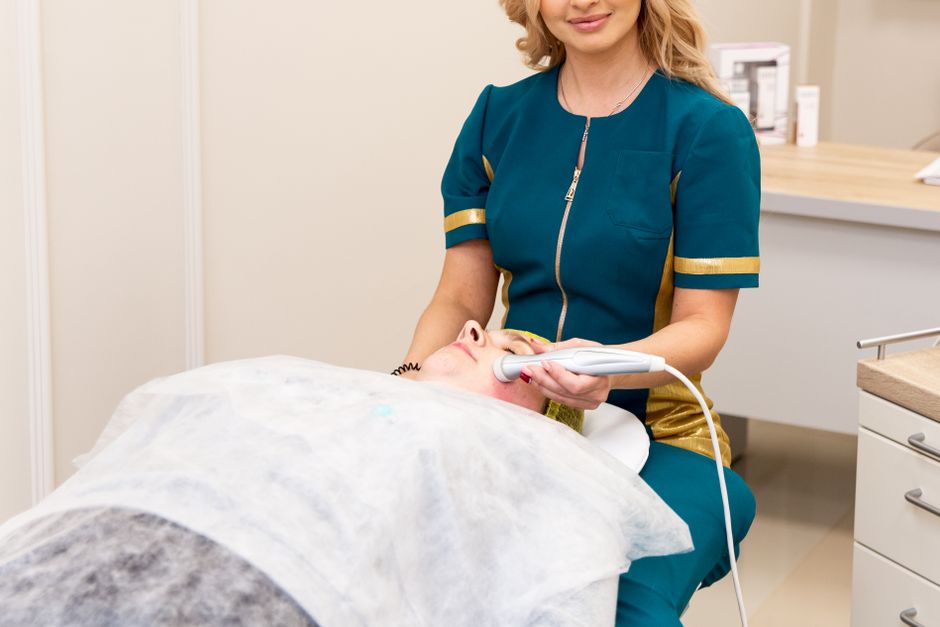
1. Why Densiti Is Everywhere in Korean Clinics Right Now
Korean aesthetic dermatology has long led the world in developing and popularising non-invasive lifting treatments. From HIFU (High-Intensity Focused Ultrasound) to thread lifts, Korean clinics have consistently been at the forefront of helping people address skin laxity without going under the knife. Densiti represents the latest evolution in this space — and its rise has a few very specific drivers.
The Celebrity Effect
Korean media has highlighted prominent figures openly discussing their skin care regimens, with Densiti increasingly appearing in those conversations. When a well-known actress or editor publishes a candid account of a treatment — including honest descriptions of discomfort, downtime, and gradual improvement — it generates far more trust than a polished advertisement. One notable example comes from Elle Korea, where a fashion editor with thin, sensitive skin documented her personal journey with Densiti lifting over multiple sessions, noting both the challenges and the cumulative benefits. That kind of authentic storytelling resonates.
The Market Gap It Fills
Many popular energy-based lifting devices work well for people with moderate skin thickness and resilience. But patients with thin, delicate, or sensitive skin — a common concern among East Asian skin types — often find those same devices either too aggressive or poorly calibrated for their needs. Densiti’s growing reputation is partly built on its adaptability: through specialised tip systems, it can be adjusted for thinner or more sensitive skin, which has opened up non-surgical lifting to a wider patient demographic.
The Non-Surgical Momentum
Globally, there is a strong and growing preference for procedures that deliver meaningful aesthetic results without surgical risk, general anaesthesia, or extended recovery. Densiti fits neatly into this category. It’s positioned as a lunchtime-to-low-downtime procedure, which suits the busy, results-oriented Korean clinic-goer — and increasingly, the international medical tourist flying in specifically for skin treatments.
2. How Densiti Works — The Science in Plain English
At its core, Densiti is a High-Intensity Focused Ultrasound (HIFU) device — the same fundamental technology underpinning better-known brands in the lifting space. But understanding how HIFU works, and what distinguishes Densiti’s application of it, is key to understanding why it has attracted attention.
The HIFU Principle
Think of HIFU like a magnifying glass focusing sunlight onto a single point. Instead of light, the device focuses ultrasound energy into a precise focal point deep within the skin — without damaging the surface layers above it. At that focal point, the concentrated energy generates thermal coagulation points (TCPs): tiny zones of controlled heat damage, each roughly 1mm in diameter.
These micro-injuries trigger the body’s natural wound-healing response. Specifically, they stimulate neocollagenesis — the production of new collagen — and the contraction of existing collagen fibres in the SMAS (Superficial Muscular Aponeurotic System), the same structural layer that surgeons address during a facelift. The result, over weeks and months, may be a gradual lifting and firming of the skin.
What Makes Densiti Different: The Tip System
Where Densiti distinguishes itself is in its multi-tip approach. According to Korean medical and consumer sources, Densiti offers multiple interchangeable applicator tips, each designed to deliver energy at a different depth:
- Deep tips — targeting the SMAS layer and deep dermis (typically 4.5mm depth), addressing structural laxity and volume loss
- Mid-depth tips — focusing on the dermis (typically 3.0mm), stimulating collagen remodelling and skin texture
- Superficial tips — working closer to the skin surface, addressing fine lines and skin quality
Crucially, Densiti includes what Korean sources refer to as the 알파팁 (Alpha Tip) — a tip specifically engineered for thinner or more sensitive skin types. The Alpha Tip delivers energy in a more diffuse, controlled pattern compared to the standard 하이팁 (High Tip), making the procedure more tolerable and reducing the risk of post-treatment bruising or discomfort for patients whose skin may not withstand a higher-intensity delivery. This granular customisation is a significant part of why dermatologists in Korea have been adopting it.
Collagen Remodelling Timeline
It’s important to understand that Densiti’s effects are not instantaneous. The collagen remodelling process unfolds over 2 to 6 months following treatment. Some patients notice an initial tightening in the days after the procedure — due to immediate collagen contraction — but the more significant lifting and volumising effects may develop gradually as new collagen fibres mature.
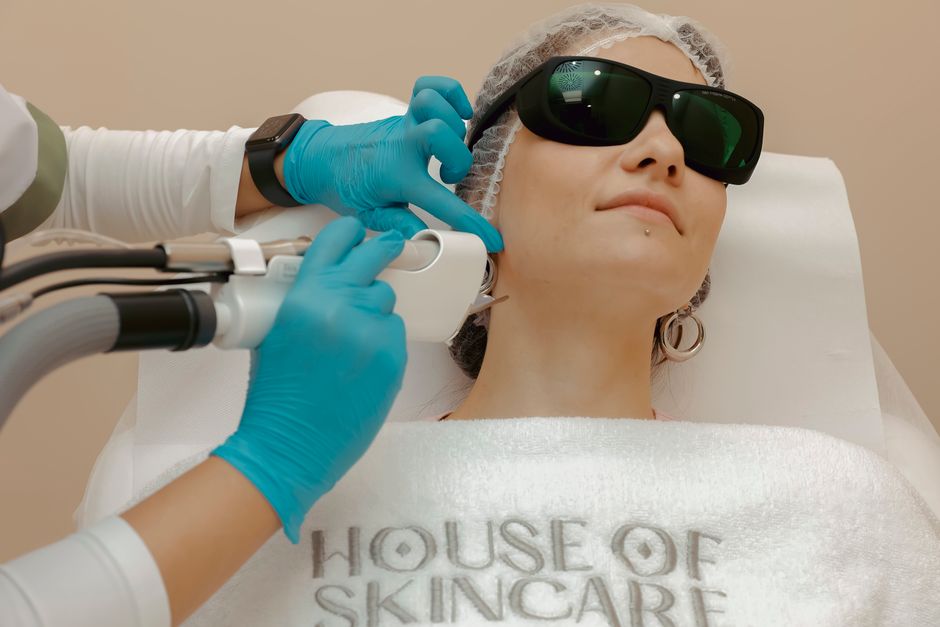
3. Results & Longevity — What You Can Realistically Expect
Managing expectations is one of the most important parts of any aesthetic treatment conversation. Here’s a realistic breakdown:
What Densiti May Improve
- Mild to moderate skin laxity along the jawline, cheeks, and neck
- Volume loss and loss of facial contour
- Skin texture and overall skin quality
- Fine lines, particularly around the mid-face
- The appearance of pores (with superficial tip applications)
It’s worth stating clearly: results vary significantly between individuals. Factors including age, baseline skin condition, lifestyle habits (sun exposure, smoking, hydration), and how many sessions are completed all influence outcomes. Densiti may improve skin firmness and contour — but no ethical practitioner will guarantee specific results.
How Many Sessions Are Typically Recommended?
| Patient Profile | Typical Recommendation | Interval |
|---|---|---|
| Younger skin / preventive / mild laxity | 1–2 sessions | Every 6–12 months |
| Moderate laxity / visible sagging | 2–3 sessions | 4–6 weeks apart initially |
| Thin/sensitive skin (Alpha Tip protocol) | Multiple shorter sessions | More frequent, lower intensity |
| Maintenance (post initial course) | 1 session annually | Every 12 months |
How Long Does It Last?
Most practitioners and patient accounts suggest that results from a course of Densiti treatments may be maintained for approximately 12 to 18 months, after which a maintenance session is typically recommended. Again, this varies widely. Skin ageing continues after treatment, and those with advanced laxity or significantly sun-damaged skin may see shorter-lived results.
4. Who Densiti Suits (and Who Should Skip It)
Good Candidates
- Adults in their 30s–50s noticing early to moderate skin laxity who are not yet ready for surgical options
- Those with thin or sensitive skin who have previously found HIFU devices too uncomfortable or aggressive (the Alpha Tip protocol may be better tolerated)
- Individuals seeking gradual, natural-looking improvement rather than dramatic change
- People looking for a low-downtime option that fits around work or travel
- Those interested in preventive treatment to slow visible signs of ageing
Those Who Should Proceed with Caution or Avoid
- Individuals with active skin infections, open wounds, or inflammatory skin conditions in the treatment area
- Those who are pregnant or breastfeeding
- People with metal implants, pacemakers, or other electronic medical devices in the treatment area
- Those with very advanced skin laxity — a surgical consultation may be more appropriate
- Individuals with a history of keloid scarring or abnormal wound healing
- Those currently on certain medications (e.g., blood thinners, isotretinoin) — always disclose your full medication list
The suitability assessment by a qualified dermatologist is non-negotiable. What works brilliantly for one skin type may not be appropriate for another.
5. The Procedure Step by Step — From Consultation to Aftercare
Step 1: Consultation
A thorough consultation should always precede treatment. The dermatologist or aesthetic physician will assess your skin thickness, degree of laxity, medical history, and aesthetic goals. This is when the tip selection (including whether the Alpha Tip is appropriate) and treatment parameters are decided. Ask questions here — this is your opportunity to understand exactly what is planned and why.
Step 2: Preparation & Numbing
On the day of treatment, the skin is cleansed thoroughly. A topical numbing cream (lidocaine-based) is typically applied and left for 20–40 minutes to minimise discomfort. Some clinics supplement this with oral pain relief for more sensitive patients. The degree of discomfort during HIFU-based treatments is real — honest practitioners will tell you this upfront.
Step 3: Ultrasound Gel & Imaging
Ultrasound gel is applied to the treatment area. One feature of HIFU-based devices like Densiti is real-time ultrasound imaging, which allows the practitioner to visualise the skin layers and ensure energy is being delivered to the correct depth — not just the surface.
Step 4: Treatment Delivery
The handpiece is moved systematically across the treatment areas — typically the cheeks, jawline, neck, and potentially the brow area. Each pulse delivers a line of thermal coagulation points at the programmed depth. The sensation is often described as a brief, sharp heat or a ‘zapping’ feeling, most intense over bony prominences. A full-face treatment session generally takes 30 to 60 minutes, though this varies by the area treated and the number of shots delivered.
Step 5: Immediate Aftercare
Post-treatment, the skin may appear slightly pink or flushed. A soothing cream or sheet mask is typically applied in-clinic. Sun protection advice will be given before you leave. Most patients are able to return to normal activities the same day.
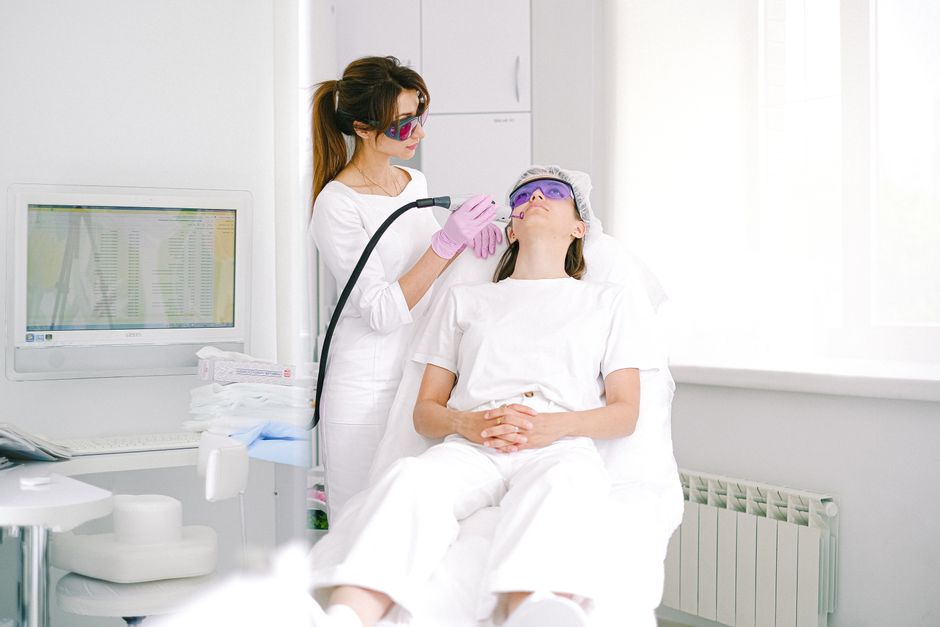
6. Recovery & Precautions — Timeline and What to Avoid
One of Densiti’s appeals is its relatively manageable recovery profile — but ‘low downtime’ doesn’t mean ‘no considerations.’
Typical Recovery Timeline
| Timeframe | What You May Experience |
|---|---|
| Immediately after | Redness, mild flushing, slight swelling — usually resolves within hours |
| 24–48 hours | Possible tenderness to touch; mild swelling; occasional small bruises (more common over bony areas) |
| Days 3–7 | Skin may feel slightly sensitive; most visible side effects typically resolve |
| Weeks 2–8 | Early collagen stimulation; some patients notice initial firmness |
| Months 2–6 | Peak collagen remodelling; the most significant visible changes typically appear in this window |
What to Avoid After Treatment
- Direct sun exposure — for at least 1–2 weeks; use SPF 50+ consistently
- Intense heat — saunas, steam rooms, hot showers, and vigorous exercise for 24–48 hours
- Harsh skincare actives — retinoids, AHAs/BHAs, and strong exfoliants for at least a week post-treatment
- Heavy makeup — ideally avoid for 24 hours to allow the skin to settle
- Alcohol and smoking — these impair collagen synthesis and healing; avoiding them supports better outcomes
- Other energy-based treatments — allow adequate recovery time before combining with other procedures (discuss with your dermatologist)
Red Flags to Watch For
While serious adverse events from HIFU-based treatments are uncommon when performed correctly, you should contact your treating practitioner promptly if you experience:
- Persistent or worsening pain beyond 48–72 hours
- Significant swelling that doesn’t resolve
- Numbness, tingling, or nerve-related symptoms that persist
- Signs of burns or blistering
Choosing a qualified, experienced practitioner operating in a regulated clinical environment is the single most important safety factor.
7. Typical Price Range
Pricing for Densiti treatments in Korean dermatology clinics varies depending on the area treated, the number of shots delivered, the tip combination used, and the clinic’s location and positioning.
As a general guide based on publicly available information:
| Treatment Scope | Approximate USD Range (per session) |
|---|---|
| Partial face / targeted area | $200 – $500 |
| Full face treatment | $400 – $900 |
| Full face + neck | $600 – $1,200+ |
Important notes on pricing:
- These are broad estimates for general reference only. Actual prices will vary.
- Korean clinics often run promotional pricing or package deals — ask about these during consultation, but do not let promotional pressure rush your decision.
- Medical tourism costs (travel, accommodation, potential follow-up) should be factored into overall budgeting.
- Multiple sessions will multiply costs — factor this into your planning if a course of treatment is recommended.
- We do not name or endorse specific clinics, and the prices above are not sourced from any individual clinic’s pricing.
8. Frequently Asked Questions
Q1: Does Densiti hurt?
Honest answer: it can be uncomfortable. The intensity varies by individual pain tolerance, the area being treated, and the tip/energy settings used. Most patients describe the sensation as sharp heat pulses, most noticeable over the jawline and cheekbones. Numbing cream significantly reduces discomfort, and the Alpha Tip protocol used for thinner skin may be more tolerable. Discuss pain management options during your consultation — it’s a completely reasonable thing to ask about.
Q2: Is Densiti the same as Ultherapy or other HIFU devices?
Densiti and Ultherapy share the same underlying technology — High-Intensity Focused Ultrasound. However, devices differ in their engineering, tip designs, energy delivery parameters, and treatment protocols. The Densiti Alpha Tip is a distinguishing feature specifically cited in Korean dermatology discussions for its suitability for thinner skin types. Whether one device is superior to another for your specific skin is a question best answered by an experienced practitioner who has assessed your skin directly.
Q3: Can I combine Densiti with other treatments?
Many Korean dermatology patients do combine treatments — for example, pairing lifting procedures with skin booster injections or laser treatments. Whether and how Densiti can be safely combined depends on your individual skin and treatment history. Always disclose all recent treatments to your practitioner, and allow adequate healing time between procedures. Combination protocols should be planned by the treating physician, not assembled from social media suggestions.
Q4: How soon will I see results?
Some patients notice an early tightening effect within days due to immediate collagen contraction. However, the more significant improvements — the lifting and volumising that come from neocollagenesis — typically develop over 2 to 6 months. Patience is genuinely required. Results are cumulative, particularly across multiple sessions.
Q5: Is Densiti suitable for all ethnicities and skin tones?
HIFU-based treatments, because they bypass the skin surface to deliver energy to deeper layers, are generally considered suitable across a wide range of skin tones and ethnicities — including darker Fitzpatrick skin types that may be more vulnerable to surface-level laser treatments. That said, individual skin assessment is always necessary. Discuss your specific skin type and tone openly with your dermatologist.
Q6: Can Densiti replace a surgical facelift?
No non-surgical treatment replicates the results of surgery for advanced skin laxity. Densiti may be an excellent option for mild to moderate laxity — particularly for those who are not yet candidates for surgery or prefer to avoid it. But for significant sagging or excess skin, a surgical consultation may ultimately be the more appropriate path. A good practitioner will tell you honestly which category you fall into.
Q7: What should I ask before booking Densiti at a Korean clinic?
A helpful checklist of questions to ask:
- Is the practitioner a licensed dermatologist or plastic surgeon? (Not a nurse technician working unsupervised)
- What tip configuration do they recommend for my skin type and why?
- How many sessions do they recommend, and at what interval?
- What results can I realistically expect given my specific skin condition?
- What are the risks specific to my skin?
- What aftercare is included, and who do I contact if I have concerns post-treatment?
- Is there a consultation fee, and is it applied toward treatment if I proceed?
9. Conclusion — Your Pre-Decision Checklist
Densiti has earned its place on the trending treatment lists of Korean dermatology clinics for good reasons: it addresses a genuine patient need (lifting and volumising for varied skin types, including thinner skin), it’s rooted in well-established HIFU science, and its multi-tip system offers a degree of customisation that broadens its suitability. The authentic, candid accounts from patients with sensitive or thin skin have resonated because they reflect a real gap in what existing treatments offered.
But as with any aesthetic procedure, the most important variable is not the device — it’s the combination of a qualified practitioner, accurate patient assessment, realistic expectations, and appropriate aftercare.
✅ Before You Book: A Final Checklist
| Consideration | Your Action |
|---|---|
| Qualified practitioner | Confirm the treating physician is a licensed dermatologist or plastic surgeon |
| Realistic expectations | Understand this may improve — not fix — laxity, and results develop over months |
| Skin assessment | Ensure a proper consultation (not just a booking form) assesses your actual skin |
| Medical disclosure | Disclose all medications, supplements, recent procedures, and health conditions |
| Recovery planning | Plan your treatment timing around any important events (allow 1–2 weeks buffer) |
| Budget clarity | Understand the full cost of a recommended course, not just one session |
| Post-care commitment | Sun protection, gentle skincare, and avoiding heat are non-negotiable post-treatment |
| Communication plan | Know who to contact with concerns, especially if you’re travelling home after treatment |
Korean dermatology is genuinely among the world’s most innovative in this space — but thoughtful research and an honest consultation will always be your best investment, wherever in the world you choose to be treated.
Disclaimer: This article is for informational purposes only and is not medical advice. Always consult a board-certified professional before any procedure.