Aquapeel in Korean Dermatology Clinics: Everything You Need to Know Before You Try It
If you’ve been scrolling through K-beauty content lately — or if you’ve walked past a dermatology clinic in Seoul’s Gangnam or Hongdae districts — you’ve almost certainly seen the word 아쿠아필 (Aquapeel) plastered across clinic windows and Instagram reels. It’s one of those treatments that seems to have quietly become a staple, the kind of thing Korean skin-care devotees book the way some people schedule a monthly haircut.
But what actually is Aquapeel? Is it just a fancy facial, or is there genuine dermatological science behind the hype? And crucially — if you’re planning a trip to Korea and considering booking a session — is it right for your skin? This guide breaks it all down: the science, the process, the realistic results, the costs, and the questions worth asking before you lie back in that treatment chair.
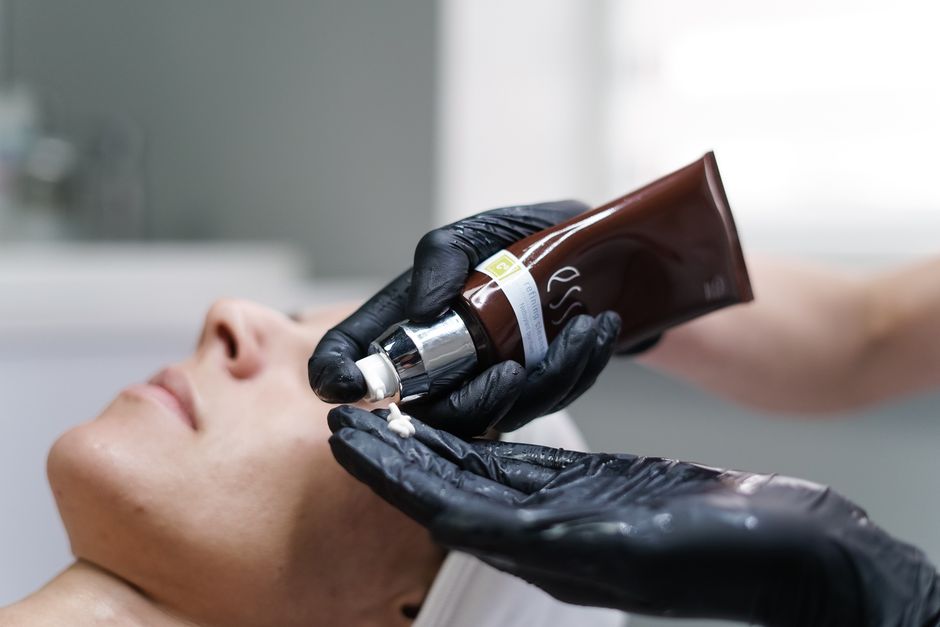
1. Why Aquapeel Is Everywhere in Korean Clinics Right Now
Korean dermatology has long operated on a philosophy that preventive, maintenance-focused skin care — delivered by professionals, not just at home — is the foundation of long-term skin health. This is partly cultural and partly structural: dermatology clinics in Korea are plentiful, relatively affordable compared to many Western countries, and socially normalised in a way they aren’t everywhere else. Popping into a clinic for a quick skin treatment carries no more stigma than getting a professional blowout.
Against this backdrop, Aquapeel found its footing as the ideal entry-level clinical treatment: zero downtime, immediately visible results, and a comfortable procedure that suits even sensitive skin. Korean beauty media, including Allure Korea, has featured it alongside other low-downtime treatments for transitional seasons — particularly autumn and spring, when skin is simultaneously congested and sensitised. Meanwhile, dermatology news outlets like Medi Consumer News have highlighted its growing reputation as a practical solution for one of the most stubborn skin complaints: blackheads and enlarged pores on the nose.
The result? Aquapeel has become a go-to for first-time clinic visitors, skin-care-savvy regulars, and visiting international travellers looking for a safe, visible skin refresh — all without the commitment of more invasive procedures.
2. How It Works: The Science in Plain English
Aquapeel is a type of hydrodermabrasion — a skin-resurfacing technique that combines gentle mechanical exfoliation with simultaneous deep hydration and suction. Think of it as a vacuum-assisted water peel that cleans, exfoliates, and infuses the skin all in one pass.
The Core Mechanism
Here’s what’s happening beneath the tip of the Aquapeel handpiece:
- Exfoliation via a spiral-tipped applicator: A rotating or vortex-action tip loosens dead skin cells and debris from the surface of the skin and — critically — from within the pore lining. Unlike traditional microdermabrasion, which uses abrasive crystals or diamond tips on dry skin, Aquapeel works with a continuous flow of liquid solution. This means the mechanical action is gentler and less likely to cause irritation or micro-tears.
- Simultaneous infusion of active solutions: As the tip exfoliates, it simultaneously delivers customised serums — typically containing ingredients like salicylic acid (a beta-hydroxy acid that dissolves sebum plugs), glycolic acid (an alpha-hydroxy acid that loosens the bonds between dead cells), antioxidants, or hyaluronic acid — directly into the cleansed pore. Because the pore is open and cleared of debris at the moment of infusion, absorption may be significantly more efficient than topical application at home.
- Suction extraction: A vacuum component draws out loosened sebum, oxidised oil (blackheads), dead skin cells, and impurities into a collection chamber. This is the part that makes Aquapeel particularly effective for congested pores — and the part that makes patients peer at the collection chamber afterwards with equal parts fascination and mild horror.
How It Differs from HydraFacial
You may have heard of HydraFacial, a globally branded hydrodermabrasion device. Aquapeel is a similar category of treatment but refers to devices and protocols used widely in Korean clinics — sometimes under various brand names or device models. The fundamental principle is comparable, but Korean dermatologists often customise the solution cocktails and combine Aquapeel with complementary modalities (such as LED therapy or ultrasound infusion) in ways that reflect Korean dermatology’s preference for layered, targeted protocols.
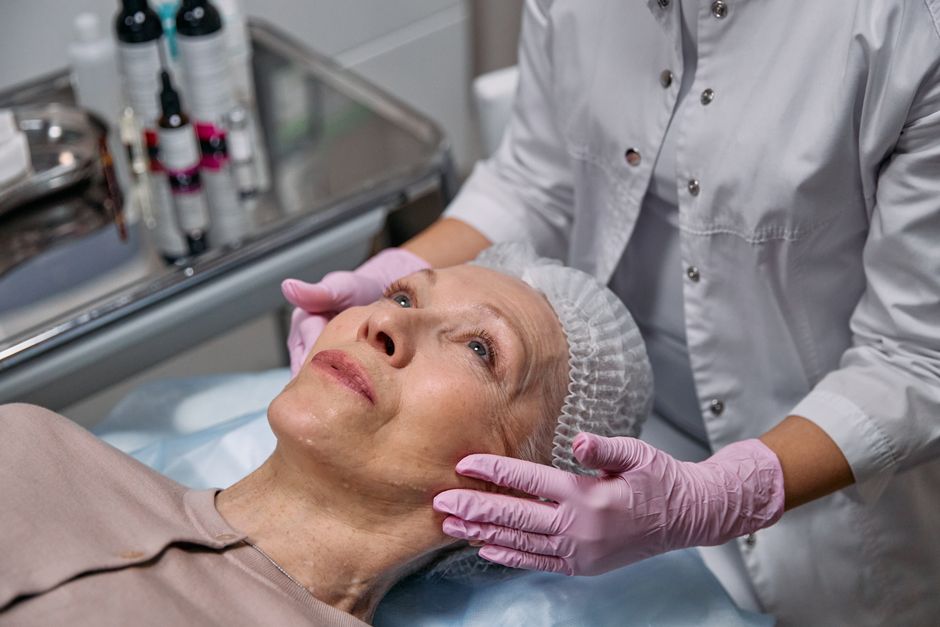
3. Results & Longevity: What to Realistically Expect
Managing expectations is important here. Aquapeel is not a dramatic resurfacing procedure. It is a maintenance and enhancement treatment. That said, the improvements it may deliver are meaningful — particularly with consistent sessions.
After a Single Session, You May Notice:
- Smoother, softer skin texture
- Reduced appearance of surface congestion and blackheads
- A brighter, more even skin tone
- Skin that feels deeply cleansed but not stripped or tight
- Reduced dullness — the “glass skin” luminosity effect Korean patients often describe
With a Course of Sessions, You May Notice:
- Gradual improvement in pore appearance over time
- Improved skin texture and reduced roughness
- Better absorption of home skincare products
- Reduction in mild seborrheic congestion (oiliness/blackhead tendency)
Session Frequency & Longevity
| Goal | Recommended Frequency | Typical Course |
|---|---|---|
| General skin maintenance | Once a month | Ongoing |
| Targeting congestion/blackheads | Every 2–4 weeks | 4–6 sessions, then monthly |
| Seasonal skin refresh (e.g., post-summer, early winter) | 1–2 sessions per season | As needed |
| Pre-event glow | 3–5 days before event | Single session |
Results from a single session typically last 2–4 weeks before skin naturally re-congests and resurfaces. This is why Korean clinics often position Aquapeel as a regular maintenance ritual rather than a one-and-done fix.
4. Who It Suits — and Who Should Skip It
Aquapeel May Be a Good Fit If You Have:
- Oily or combination skin prone to congestion, blackheads, or enlarged pores
- Dull, tired-looking skin that needs a brightness reset
- Dry or dehydrated skin — the hydration component makes this gentler than traditional chemical peels for dry types
- Sensitive skin that reacts to harsher exfoliation methods (crystal microdermabrasion, strong acids)
- Mature skin looking for a gentle, hydrating maintenance treatment
- Anyone wanting zero downtime — for example, international visitors with limited time in Korea
You Should Discuss with a Doctor (or Skip) If You Have:
- Active acne breakouts or open lesions — suction and exfoliation over active pustules may spread bacteria or worsen inflammation
- Rosacea — while some rosacea patients tolerate gentle versions, the suction component can aggravate vascular sensitivity; always disclose this to your practitioner
- Eczema or psoriasis in the treatment area
- Recent cosmetic procedures on the face (laser, chemical peel, fillers within 2 weeks)
- Sunburned or significantly irritated skin at the time of treatment
- Known allergy to any of the active ingredients in the infusion solutions (salicylic acid in particular for aspirin-sensitive individuals)
5. The Procedure Step by Step: Consultation to Aftercare
One of the things that distinguishes the Korean clinic experience from a standard spa facial is the clinical rigour with which even non-invasive treatments are approached. Here’s a realistic walkthrough of what an Aquapeel appointment typically looks like:
Step 1: Consultation & Skin Assessment
A clinician (often a dermatologist or trained aesthetician working under physician supervision) will review your skin concerns, medical history, current medications, and any known sensitivities. Many clinics in Korea use skin analysis devices that photograph and measure parameters like moisture levels, sebum production, pigmentation, and pore size. This baseline assessment helps customise the treatment solution and suction intensity.
Step 2: Cleansing
The skin is thoroughly cleansed to remove makeup, SPF, and surface oils. This step is not optional — any residue on the skin can interfere with both the exfoliation and infusion phases.
Step 3: The Aquapeel Treatment Pass
The technician moves the Aquapeel handpiece across the skin in systematic passes. The spiral tip exfoliates, the solution infuses, and the suction extracts — all simultaneously. Most patients describe the sensation as a mild, slightly cool suction — not painful, occasionally ticklish. Areas of heavy congestion (typically the nose and chin) may feel a stronger suction sensation.
The treatment typically takes 20–40 minutes, depending on whether additional zones (décolletage, neck) are included and whether supplementary steps are added.
Step 4: Additional Modalities (Optional)
Korean clinics frequently layer additional treatments after the Aquapeel pass, when the skin is freshly exfoliated and its absorption capacity is at its peak. Common add-ons include:
- LED light therapy (red light for soothing/collagen support; blue light for acne-prone skin)
- Ultrasound infusion (sonophoresis) to drive serums deeper
- High-frequency treatment for antibacterial effect on congested skin
- Sheet mask or calming ampoule application
Step 5: SPF Application
A broad-spectrum SPF is applied before you leave the clinic. This step is non-negotiable — freshly exfoliated skin is significantly more photosensitive.
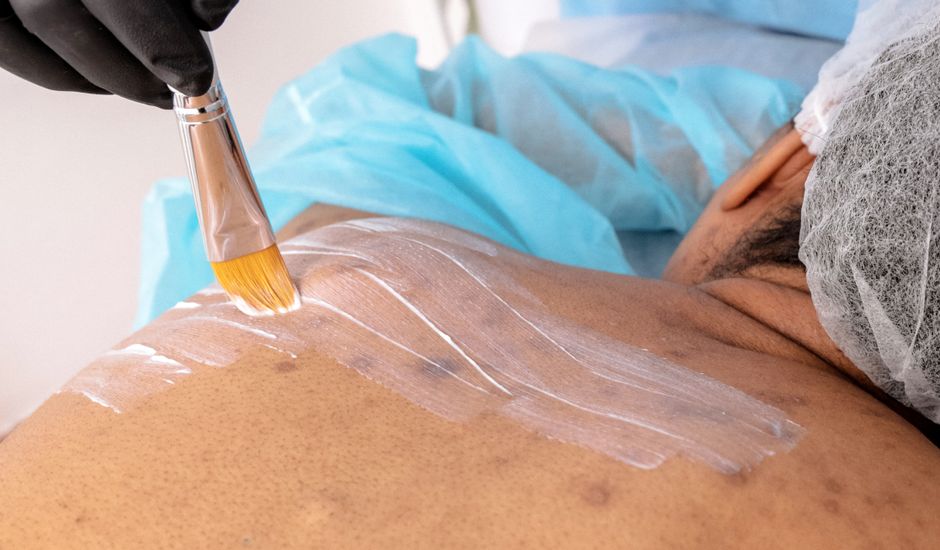
6. Recovery & Precautions: Timeline and What to Avoid
One of Aquapeel’s most appealing characteristics is its minimal recovery profile. For most people, there is effectively no downtime — you can return to daily activities immediately after treatment.
Immediately After (0–24 Hours)
- Skin may appear slightly flushed or pink — this typically resolves within a few hours
- Skin will feel smooth, clean, and slightly more sensitive than usual
- Avoid touching your face unnecessarily
- Do not apply makeup for at least 4–6 hours (or ideally, the rest of the day)
- Do not use any active skincare products (retinoids, strong acids, vitamin C in high concentrations) for 24 hours
Days 1–3
- Continue to avoid strong actives and exfoliants
- Keep your skincare routine gentle: gentle cleanser, hydrating toner/essence, moisturiser, SPF
- Avoid prolonged sun exposure and use SPF 30+ diligently
- Avoid saunas, steam rooms, and intense exercise for 24–48 hours (heat and sweat can irritate freshly treated skin)
What to Avoid Long-Term Between Sessions
- Aggressive manual extraction or squeezing at home (this undermines the treatment and risks scarring)
- Skipping SPF — UV damage counteracts the brightening and texture improvements Aquapeel may provide
7. Typical Price Range
Pricing for Aquapeel in Korean dermatology clinics varies based on location, the qualifications of the practitioner, the specific device used, any add-on treatments included, and whether the clinic is positioned as a premium or value-tier provider. The following are approximate ranges to give international visitors a realistic planning benchmark. These are not quotes from any specific clinic.
| Treatment Configuration | Approximate USD Range (Single Session) |
|---|---|
| Basic Aquapeel (face only) | $40 – $80 USD |
| Aquapeel + LED therapy | $60 – $120 USD |
| Aquapeel + multiple add-ons (ultrasound, mask, etc.) | $80 – $150 USD |
| Package deals (e.g., 5–10 sessions) | Often 20–40% less per session than single-session pricing |
Compared to equivalent hydrodermabrasion treatments in the US, UK, or Australia, Korean clinic pricing for Aquapeel is generally notably more accessible — one reason it has become a popular inclusion on “medical tourism” itineraries for international visitors.
Practical tip for visitors: Many Korean clinics catering to international patients have multilingual staff or booking platforms. It’s worth confirming exactly what is included in the quoted price before your appointment to avoid confusion about add-ons.
8. FAQ: Your Questions, Answered
Q1: Is Aquapeel the same as HydraFacial?
They belong to the same category — hydrodermabrasion — and work on broadly similar principles (exfoliate, infuse, extract). HydraFacial is a specific global brand; Aquapeel is a term used in Korean clinics that may refer to various devices or proprietary protocols. The experience and results are comparable, but the exact device, solutions, and any added steps can differ between clinics and practitioners.
Q2: Can Aquapeel actually improve blackheads on the nose?
This is the question Medi Consumer News explored in some depth. The short answer: it may help, particularly with superficial or soft blackheads (oxidised sebum near the surface). The suction and salicylic acid component work together to loosen and extract these plugs. However, deep or hardened blackheads may require multiple sessions or complementary treatments. Aquapeel is unlikely to permanently eliminate blackheads on its own — because blackheads are an ongoing skin function, not a one-time problem.
Q3: How many sessions before I see a meaningful difference?
Many people notice an immediate improvement in skin smoothness and brightness after a single session. For targeted concerns like persistent congestion or uneven texture, most Korean dermatologists recommend a course of 4–6 sessions before assessing longer-term improvement. Individual results vary significantly based on skin type, lifestyle, and home care routine.
Q4: Is Aquapeel safe for darker skin tones?
Yes — unlike laser resurfacing or certain chemical peels that carry a higher risk of post-inflammatory hyperpigmentation in deeper skin tones (Fitzpatrick types IV–VI), Aquapeel does not use heat or aggressive ablation. It is generally considered suitable across a wide range of skin tones. That said, always disclose your skin tone and any history of hyperpigmentation to your practitioner during consultation so they can adjust the protocol accordingly.
Q5: Can I get Aquapeel if I’m currently using retinoids?
This is an important one. If you are using prescription-strength retinoids (tretinoin) or even over-the-counter retinol regularly, you should pause use for at least 3–5 days before your Aquapeel session and avoid restarting for 24–48 hours after. Retinoid use thins the stratum corneum (the skin’s outer layer), making exfoliation more intense and increasing sensitivity. Always disclose all active ingredients you use to your practitioner.
Q6: Can I combine Aquapeel with other treatments during the same clinic visit?
In Korean clinics, combination protocols are common and often encouraged. Aquapeel pairs well with LED therapy, ultrasound infusion, and calming mask applications. It is generally not performed on the same day as ablative laser resurfacing, strong chemical peels, or immediately after injectables like filler or botulinum toxin. Your practitioner will guide you on safe timing.
Q7: Will one session be enough if I’m only visiting Korea briefly?
A single session can deliver a noticeable skin refresh — which is why it’s popular with travellers. The skin may look brighter and feel smoother for 2–4 weeks. If your primary goal is a pre-trip or post-trip glow-up rather than treating a chronic skin concern, one session may well meet your expectations. For more significant or lasting improvement, a regular course is more appropriate.
9. Conclusion: Your Pre-Treatment Checklist
Aquapeel has earned its place as a mainstay of Korean dermatology for good reason: it’s evidence-informed, low-risk, genuinely comfortable, and delivers visible results without demanding recovery time. For international visitors, it offers a meaningful K-beauty clinical experience without the commitment or complexity of more invasive procedures.
That said, going in informed makes all the difference. Use this checklist before booking your appointment:
✅ Before You Book
- Identify your primary skin concern (congestion, dullness, texture, hydration) so you can communicate clearly with the clinician
- Note any active skin conditions (acne, rosacea, eczema) and disclose them at consultation
- List all skincare actives and medications you currently use (especially retinoids, acids, and any prescribed skin treatments)
- Confirm the clinic employs qualified, licensed practitioners and operates under physician supervision
- Clarify exactly what is included in the quoted price and what add-ons cost
- Check whether the clinic has English-speaking staff or can provide a translated consultation form if language is a concern
✅ Before Your Appointment
- Pause retinoids and strong exfoliating acids 3–5 days before treatment
- Arrive with clean skin — no heavy makeup or SPF that’s difficult to remove
- Plan your post-treatment day: minimal sun exposure, no sauna, gentle skincare only
- Bring (or buy) a good SPF to apply after the session
✅ Red Flags to Watch For
- A clinic that skips consultation and goes straight to treatment
- Promises of permanent pore elimination or guaranteed results
- Pressure to purchase large session packages before you’ve experienced a single session
- No discussion of your medical history or current skincare routine
Aquapeel, at its best, is a thoughtful, science-backed treatment that reflects exactly what makes Korean dermatology interesting to the rest of the world: an emphasis on regular, professional skin maintenance delivered with clinical expertise and surprising accessibility. Approached with realistic expectations and proper aftercare, it may offer your skin a genuinely meaningful refresh — no drama required.
Disclaimer: This article is for informational purposes only and is not medical advice. Always consult a board-certified professional before any procedure.