Rejuran (리쥬란): Korea’s Favourite Skin-Healing Injection — A Complete Guide for International Readers
Walk into almost any dermatology clinic on Seoul’s Gangnam Boulevard or Apgujeong beauty strip and you’ll spot Rejuran (리쥬란) on the treatment menu — usually near the top. It has quietly become one of the most-requested skin booster injections in Korea over the past several years, and its reputation has followed Korean beauty trends across Asia, Europe, and beyond. International patients visiting Korea for medical aesthetics increasingly arrive with Rejuran already on their wish list.
But what exactly is it? Is the buzz justified, or is it another case of K-beauty hype running ahead of the evidence? This guide breaks down the science, the procedure, realistic expectations, typical costs, and everything you should consider before booking a session — whether you’re planning a trip to Korea or simply curious about what the treatment involves.
Quick note on terminology: You may see this treatment spelled Rejuran, Rejuran Healer, or written in Korean as 리쥬란 힐러. The brand is manufactured by South Korean pharmaceutical company Pharma Research, and different formulations exist for different concerns (more on that below).
1. Why Is Rejuran Everywhere in Korean Clinics Right Now?
Korean aesthetic medicine has always favoured treatments that prioritise skin quality over dramatic transformation. Rather than chasing volume or freezing expression, Korean dermatology culture tends to celebrate what practitioners call “피부결” (skin texture) — the luminous, fine-grained clarity that reads as healthy skin rather than treated skin. Rejuran sits squarely in that philosophy.
Several factors have pushed Rejuran to the forefront of clinic menus:
- A strong local evidence base: Korean dermatologists have been using PDRN-based therapies in wound healing and urology for years, which gave aesthetic clinics a scientific foundation to build on when they began using it for skin rejuvenation.
- Social media visibility: Korean celebrities and beauty influencers have openly discussed the treatment, normalising the idea of skin-quality injections as maintenance rather than vanity.
- The “glass skin” cultural moment: Global fascination with translucent, pore-minimised Korean skin has created enormous appetite for whatever is producing those results in clinic.
- Expanding product lines: Pharma Research has expanded the Rejuran range — including formulations aimed at eye-area concerns and acne scarring — making it versatile enough to address a wide range of patient concerns.
It’s worth noting, however, that the treatment’s growing profile has also attracted regulatory attention. Korean authorities have moved to tighten oversight of skin booster advertising, particularly after reports of over-the-counter cosmetic products falsely implying they deliver the same results as in-clinic injections. The Korea Consumer Agency and food and drug regulators have flagged misleading marketing around products labelled “Rejuran cosmetics,” reminding consumers that no topical product can replicate what a needle-based medical treatment delivers. If you see a “Rejuran cream” in a duty-free shop, temper your expectations accordingly.
2. How Rejuran Works — The Science in Plain English
The active ingredient: PDRN
The engine behind Rejuran is a compound called PDRN — Polydeoxyribonucleotide. That sounds intimidating, so let’s unpack it.
DNA, as you probably know, is made up of nucleotides linked in long chains. PDRN consists of small fragments of those DNA chains — specifically, fragments derived from salmon sperm DNA (Oncorhynchus keta). Salmon DNA has a nucleotide structure that is highly compatible with human tissue, which is why it’s used in medical applications rather than, say, plant-derived alternatives.
Once injected into the dermis — the deeper layer of your skin — PDRN works through two primary mechanisms:
- Salvage pathway activation: Your skin cells can absorb the PDRN fragments and use them as raw material to build new DNA, directly fuelling cellular repair and regeneration.
- A2A receptor stimulation: PDRN binds to adenosine A2A receptors on skin cells, which triggers a cascade of regenerative effects — including increased collagen synthesis, improved tissue hydration, and a reduction in inflammatory signalling.
The net result, according to published dermatology literature and clinical observation, is that PDRN may encourage the skin to repair itself from within — producing more collagen, retaining more moisture, and recovering more efficiently from damage. Unlike fillers, which add volume from outside the body’s own processes, or toxins like botulinum, which interrupt nerve signals, Rejuran is often described as a biostimulator: something that tells your own cells to do a better job.
Formulation variants
| Variant | Common Name | Primary Target |
|---|---|---|
| Rejuran Healer | 리쥬란 힐러 | Overall skin quality, texture, hydration |
| Rejuran I | 리쥬란 아이 | Delicate periorbital (eye) area |
| Rejuran S | 리쥬란 에스 | Acne scars, depressed scarring |
| Rejuran HB | 리쥬란 HB | Enhanced hydration, combined HA formula |
Your practitioner will recommend the appropriate variant based on your skin concerns during consultation.
3. Results and Longevity — Realistic Expectations
One of the most important conversations to have with any practitioner is about what this treatment actually looks and feels like on your skin. Rejuran is not a filler or a toxin — the changes it produces are subtler and more gradual, which is precisely why many patients love it.
What you may notice
- Improved skin texture and smoothness — pores may appear refined
- A more hydrated, plumped appearance — sometimes described as a natural glow rather than a treatment glow
- Gradual improvement in fine lines, particularly surface-level creasing
- Reduced redness or sensitivity in reactive skin types
- For Rejuran S users: possible improvement in the depth and appearance of acne scars
Important: Rejuran is not a volume filler and will not lift sagging tissue or fill deep static wrinkles. It works at the level of skin quality, not facial architecture.
Timeline and sessions
| Phase | Timing | What’s Happening |
|---|---|---|
| Immediately post-treatment | Day 0–3 | Small bumps/papules visible where product was injected; mild redness |
| Early improvement | Week 2–4 | Skin may feel more hydrated; texture begins to refine |
| Visible results | 4–8 weeks | Collagen stimulation effects become noticeable |
| Optimal results | After a course of 3–4 sessions | Full biostimulatory effect with cumulative improvement |
Most Korean dermatologists recommend a course of 3 to 4 sessions, spaced approximately 3 to 4 weeks apart, for initial improvement. After that, a maintenance session every 3 to 6 months is common for patients who want to sustain results. Results are generally considered to last around 6 to 12 months depending on age, skin condition, and lifestyle factors such as sun exposure and smoking.
4. Who It Suits — and Who Should Skip It
Good candidates for Rejuran
- Adults in their late 20s through 50s who notice early signs of skin ageing — dullness, fine lines, reduced firmness
- Individuals with dehydrated or sensitive skin seeking gentle regeneration
- Patients dealing with post-acne scarring (particularly suited to Rejuran S)
- Those who have had laser or peeling treatments and want to support skin healing
- Patients looking for a natural-looking skin quality improvement rather than a volumised or “done” look
Who should approach with caution or skip entirely
- Anyone with a known allergy to fish or salmon products — the PDRN is salmon-derived
- Individuals with active skin infections, open wounds, or severe active acne in the treatment area
- Pregnant or breastfeeding individuals — insufficient safety data exists
- People with autoimmune conditions or those on immunosuppressant medications — consult a physician first
- Those with a history of keloid scarring should discuss this with their practitioner
- Anyone expecting a dramatic transformation — Rejuran is a refinement treatment, not a reconstruction
5. The Procedure Step by Step — From Consultation to Aftercare
Step 1: Consultation
A reputable practitioner will begin with a thorough skin assessment. They should ask about your medical history (allergies, medications, pregnancy), discuss your skin concerns, and explain which Rejuran variant suits your goals. This is your opportunity to ask questions — a detailed list appears in the FAQ section below.
Step 2: Skin preparation
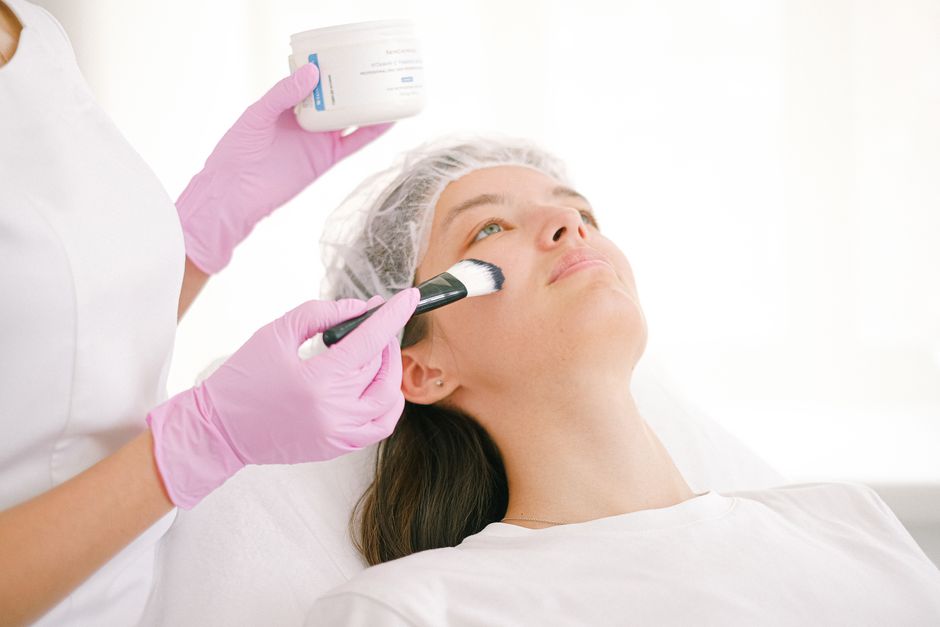
The treatment area is cleansed thoroughly. Topical numbing cream (anaesthetic cream) is then applied and left on for approximately 20 to 30 minutes. This significantly reduces discomfort during injection.
Step 3: Injection
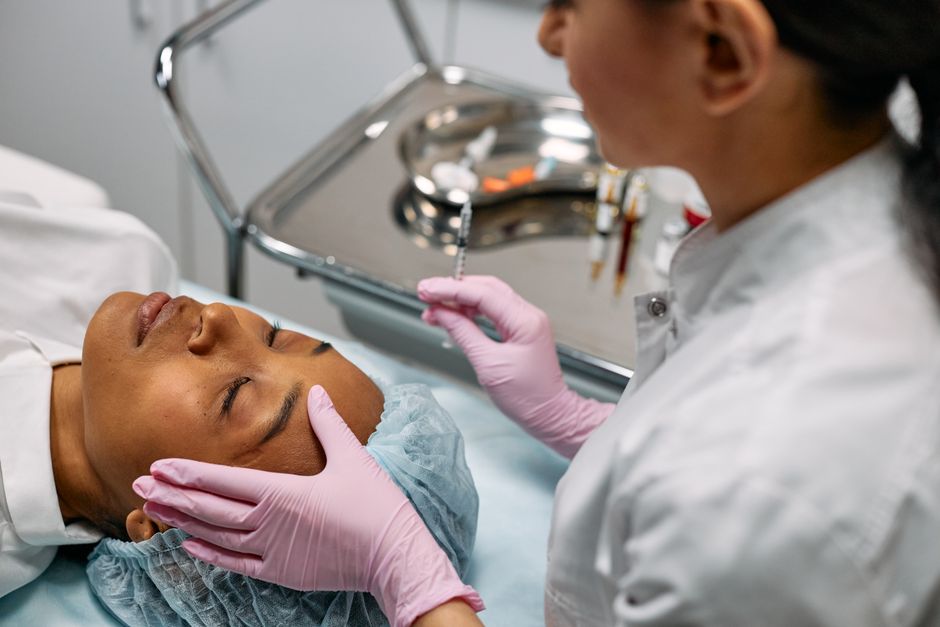
The practitioner uses a fine-gauge needle or, in some clinics, a mesotherapy gun to deliver multiple small injections of Rejuran across the treatment area. On the face, this typically involves dozens of microinjection points placed evenly across the cheeks, forehead, chin, and around the eyes. The injections are shallow — delivered into the superficial dermis — and may produce small, temporary raised papules (bumps) immediately after. The procedure itself usually takes 20 to 40 minutes.
Step 4: Immediate post-treatment care
The clinic will typically apply a soothing serum or mask. You may be given aftercare instructions and products. Many clinics in Korea combine Rejuran with LED light therapy or calming masks in the same session.
6. Recovery and Precautions — The Practical Timeline
Rejuran is generally described as a “lunchtime procedure” in terms of social downtime — meaning most people feel comfortable returning to work or social activities the same day or the following day. However, “low downtime” does not mean “no aftercare needed.”
What to expect in the days following treatment
- Day 0–1: Small bumps (papules) where the injections were placed; mild redness and swelling; skin may feel warm or slightly tender
- Day 2–3: Papules begin to absorb; redness fades; skin may feel tight
- Day 4–7: Most visible signs of treatment should resolve; skin may look temporarily dull before the glow sets in
What to avoid post-treatment
| Avoid | Duration | Reason |
|---|---|---|
| Touching or pressing injection sites | 24–48 hours | Risk of introducing bacteria or displacing product |
| Makeup | 24 hours minimum | Microchannels from needles still open |
| Strenuous exercise, saunas, hot baths | 48–72 hours | Increased circulation may worsen swelling |
| Alcohol | 48–72 hours | May increase bruising and inflammation |
| Active exfoliants (AHA, BHA, retinol) | 5–7 days | Skin sensitivity elevated post-treatment |
| Unprotected sun exposure | Ongoing | Critical — SPF 30+ daily is non-negotiable |
7. Typical Price Range
Pricing for aesthetic treatments in South Korea varies based on the practitioner’s qualifications, the clinic’s location, the specific Rejuran variant used, and the size of the treatment area. The figures below are approximate USD estimates to help you budget — they are not quotes from any specific clinic.
- Single full-face session: Approximately USD $150 – $400
- Course of 3–4 sessions: Approximately USD $400 – $1,200 (packages are commonly offered at a discount in Korean clinics)
- Rejuran I (eye area only): May be priced separately, often in the USD $80 – $200 range per session
For context, comparable biostimulator treatments in the United Kingdom, United States, or Australia often cost significantly more. This price differential is one reason medical tourists factor aesthetic treatments into trips to South Korea. That said, price should never be your primary criterion. The qualifications of the practitioner, the regulatory standing of the product, and the hygiene standards of the facility all matter far more than saving a few dollars per session.
Always request an itemised treatment quote during your consultation so you understand exactly what is included.
8. Frequently Asked Questions
Q1: Is Rejuran painful?
Most patients describe the sensation as a mild stinging or pricking with numbing cream applied. Without numbing cream, the multiple injections would be noticeably uncomfortable. Most Korean clinics use topical anaesthetic as standard, and some also offer local nerve blocks for very sensitive patients. The eye area (Rejuran I) tends to require more careful anaesthetic preparation due to skin delicacy.
Q2: Can I combine Rejuran with other treatments in the same visit?
Combination treatments are very common in Korean dermatology clinics. Rejuran is frequently paired with laser treatments (often done prior to Rejuran to support healing), botulinum toxin for dynamic lines, or hyaluronic acid fillers for volume. Whether this is appropriate for you depends on your skin condition and your practitioner’s assessment. Always ask during consultation what combinations are being proposed and why.
Q3: How is Rejuran different from hyaluronic acid skin boosters like Juvederm Volite or Restylane Skinboosters?
Both categories aim to improve skin quality and hydration, but they work differently. Hyaluronic acid boosters primarily add hydration by binding water molecules. Rejuran’s PDRN works as a biostimulator — it aims to prompt the skin’s own cells to produce more collagen and repair themselves. Some practitioners use both in combination for layered effects, though this adds to cost and session time.
Q4: I’ve seen “Rejuran” skincare products in Korean beauty shops. Are they the same thing?
No, and this is an important distinction. As Korean regulatory authorities have noted, there has been a wave of cosmetic products marketed with Rejuran-style branding that can mislead consumers into thinking they deliver clinical-grade results. Topical skincare, regardless of its PDRN content, cannot penetrate the dermis the way an injection does. These products may have their own skincare benefits, but they are not a substitute for the in-clinic procedure. Korean consumer protection agencies have been actively pursuing misleading advertising claims in this space.
Q5: I’m visiting Korea for only one week. Is there any point doing Rejuran if I can only have one session?
A single session may provide some improvement in skin hydration and surface texture, and some patients notice a pleasant glow within the first week. However, the full regenerative benefit of Rejuran is cumulative and typically realised across a course of sessions. If you’re visiting Korea short-term, it’s worth discussing with a practitioner whether one session fits your goals, or whether beginning a course and continuing at home (if the product is available in your country) makes more sense.
Q6: Are there any serious risks I should know about?
As with any injectable treatment, there are risks. These include bruising, swelling, infection at injection sites, and, in rare cases, vascular complications if the product is inadvertently injected into a blood vessel. Choosing a qualified, board-certified dermatologist or plastic surgeon — rather than an unlicensed provider — significantly reduces these risks. Ensure the product used is an officially approved formulation; counterfeit aesthetic injectables do exist and pose serious health risks.
Q7: Does Rejuran work differently on different ethnicities or skin tones?
PDRN as a biological mechanism operates at the cellular level and is not ethnicity-dependent. However, individuals with darker Fitzpatrick skin types (IV–VI) should discuss post-inflammatory hyperpigmentation (PIH) risk with their practitioner, as any injection-based skin treatment carries some PIH risk in more melanin-rich skin. An experienced practitioner will tailor their approach accordingly.
9. Conclusion — Your Pre-Booking Checklist
Rejuran has earned its place as a genuine cornerstone of Korean aesthetic dermatology — not through hype alone, but through a coherent biological rationale and a track record of clinical use that practitioners and patients in Korea have built over years. For international visitors, it represents a meaningful opportunity to access a well-studied skin quality treatment, often at a more accessible price point than in their home countries.
That said, no treatment is right for everyone, and informed consent is the foundation of good aesthetic medicine. Before you book, work through this checklist:
- ☐ Verify your practitioner’s qualifications — in Korea, look for board-certified dermatologists (피부과 전문의) or plastic surgeons (성형외과 전문의)
- ☐ Confirm the product is an officially approved Rejuran formulation — ask to see the product vial and packaging
- ☐ Disclose your full medical history during consultation, including fish allergies, autoimmune conditions, and current medications
- ☐ Ask what combination treatments are included and why each is recommended
- ☐ Request an itemised cost breakdown before agreeing to treatment
- ☐ Understand the realistic timeline for results — and have a plan for follow-up sessions if you’re visiting from abroad
- ☐ Ask about aftercare products you’ll need during recovery, particularly sunscreen
- ☐ Be cautious of any clinic that guarantees results — ethical practitioners communicate realistic expectations
- ☐ Avoid clinics offering unusually low prices that deviate dramatically from typical ranges — this can signal diluted or counterfeit product
- ☐ Do not rely on skincare products marketed as “Rejuran” as a substitute for in-clinic treatment
Approached thoughtfully, Rejuran may be a worthwhile addition to your skin health investment — a quiet, science-grounded treatment that works with your biology rather than against it. That, in many ways, is the essence of what makes Korean aesthetic medicine so compelling to the world.
Disclaimer: This article is for informational purposes only and is not medical advice. Always consult a board-certified professional before any procedure.