Fraxel in Korean Dermatology Clinics: The Complete Guide for International Patients
If you’ve been scrolling through K-beauty forums, Reddit threads, or Instagram reels featuring radiant Korean skin, there’s a good chance you’ve stumbled across the word 프락셀 — romanised as Fraxel. Once considered a premium treatment reserved for special occasions, Fraxel laser therapy has quietly become one of the most requested procedures in Korean dermatology clinics (피부과, pi-bu-gwa). Walk into virtually any mid-to-upscale clinic in Seoul’s Gangnam district or Apgujeong neighbourhood, and you’ll see it listed prominently on the treatment menu.
So what exactly is driving this surge in popularity — and is it worth adding to your itinerary if you’re planning a medical beauty trip to Korea? This comprehensive guide breaks down the science, the realistic expectations, the costs, and everything in between. Whether you’re a first-timer curious about laser resurfacing or a seasoned K-beauty traveller comparing options, read on.
Quick note before we begin: All information here is purely educational. This article does not constitute medical advice. Individual results vary, and you should always consult a licensed dermatologist before undergoing any procedure.
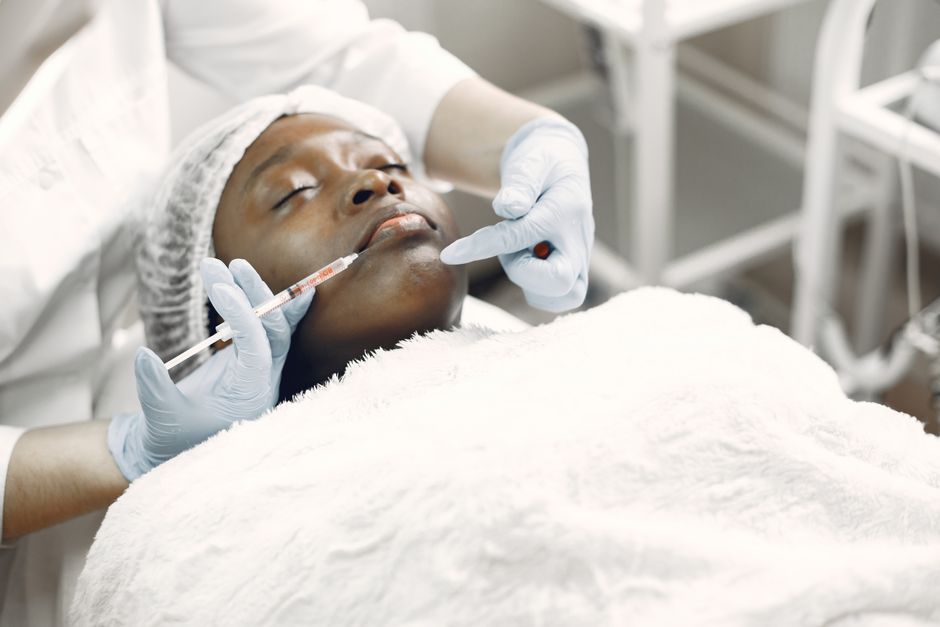
1. Why Fraxel Is Everywhere in Korean Clinics Right Now
Korean dermatology has long operated on a principle that Western skincare culture is only beginning to embrace: prevention and maintenance are just as important as correction. This philosophy — sometimes called 피부 관리 (pi-bu gwan-li), or ongoing skin management — means Korean patients typically see their dermatologist multiple times a year for a rotating roster of treatments, rather than waiting for a problem to become severe before acting.
Fraxel fits neatly into this culture for several reasons:
- Versatility: It addresses a wide range of concerns — fine lines, acne scarring, sun damage, uneven tone, and texture irregularities — in a single platform.
- Scalable intensity: Clinicians can dial the treatment up or down depending on patient needs, making it suitable for both aggressive correction and gentle maintenance.
- A trusted track record: Unlike some newer devices with limited long-term data, fractional laser technology has been studied extensively since the early 2000s, giving both practitioners and patients confidence in its safety profile.
- Post-summer demand: Korean dermatologists frequently note a spike in laser consultations after summer, when UV exposure has accumulated. Fraxel is often recommended to address the pigmentation, texture changes, and dullness that summer sun leaves behind.
- The “glass skin” ideal: The smooth, luminous, virtually poreless complexion celebrated in Korean beauty culture is precisely the kind of result Fraxel may help work toward over a course of treatments.
It’s also worth noting that Korean dermatology clinics have invested heavily in both the technology itself and the training to use it well. The competitive landscape of Seoul’s clinic culture means practitioners are highly incentivised to stay current — which benefits patients seeking quality care.
2. How Fraxel Works — The Science in Plain English
The Core Concept: Fractional Photothermolysis
To understand Fraxel, you first need to understand what “fractional” means in a laser context. Traditional ablative lasers (like CO2) treat the entire surface of the skin at once — effective, but associated with significant downtime and risk. Fractional lasers take a different approach: they divide the laser energy into thousands of tiny, microscopic columns of light (called Microscopic Treatment Zones, or MTZs) that penetrate the skin, leaving the surrounding tissue completely untouched.
Think of it like aerating a lawn. Instead of tearing up every inch of turf, you punch small holes at regular intervals. The undamaged grass around each hole helps the damaged areas recover faster — and the overall lawn ends up healthier as a result.
What Happens Under the Skin
Each microscopic treatment zone triggers a controlled healing response:
- Thermal injury: The laser energy creates precise columns of heat damage in the dermis (the deeper skin layer beneath the surface).
- Collagen remodelling: The body interprets this controlled damage as an injury signal and responds by producing new collagen — the structural protein responsible for firm, plump skin.
- Epidermal renewal: Old, damaged skin cells (carrying pigmentation, scar tissue, or sun damage) are expelled upward and shed, replaced by fresher cells migrating in from the surrounding untreated zones.
- Elastin stimulation: New elastin fibres may form alongside collagen, contributing to improved skin elasticity over time.
The Two Main Fraxel Wavelengths
In Korean clinics, you’ll typically encounter two versions of Fraxel, each with a different target:
| Type | Wavelength | Primary Target | Best For | Downtime |
|---|---|---|---|---|
| Fraxel Dual / Restore | 1550 nm (non-ablative) | Deep dermis — collagen stimulation | Acne scars, fine lines, texture | 3–5 days |
| Fraxel Dual | 1927 nm (non-ablative) | Superficial epidermis — pigment | Sun damage, melasma, brown spots | 5–7 days |
Many Korean clinics use the Fraxel Dual platform, which combines both wavelengths in a single session, allowing the practitioner to customise the treatment ratio based on your primary concerns.
3. Results & Longevity — What to Realistically Expect
How Many Sessions Will You Need?
This is one of the most common questions — and the honest answer is: it depends. Korean dermatologists typically recommend treatment plans based on the severity of the concern being addressed:
| Concern | Typical Session Range | Interval Between Sessions |
|---|---|---|
| Mild sun damage / dullness | 1–2 sessions | 4–6 weeks |
| Moderate fine lines / early texture changes | 3–5 sessions | 4–6 weeks |
| Moderate-to-deep acne scarring | 5–6+ sessions | 6–8 weeks |
| Melasma (complex, ongoing management) | Variable; ongoing maintenance | As advised by clinician |
When Will You See Results?
Collagen remodelling is a biological process — it takes time. Most patients notice an initial improvement in skin texture and luminosity within one to two weeks of a session as swelling subsides and fresh skin emerges. However, the deeper collagen-building effects may continue to develop for three to six months after a full course of treatment.
How Long Do Results Last?
Fraxel results are not permanent — ageing continues and UV exposure accumulates — but improvements to collagen structure and scar tissue may last for several years with proper sun protection and skincare. Many Korean patients incorporate a maintenance session once or twice a year to preserve results, which aligns well with the Korean philosophy of ongoing skin management.
4. Who It Suits (and Who Should Skip It)
Good Candidates
- Adults with acne scarring (atrophic, rolling, or boxcar scars)
- Those experiencing fine lines and early wrinkles, particularly around the eyes and mouth
- People with sun damage — brown spots, uneven pigmentation, rough texture
- Anyone seeking overall skin quality improvement — pore refinement, tone evening
- Patients with Fitzpatrick skin types I–III (lighter skin tones) — generally considered the safest candidates for standard protocols
- Skin types IV–V may be treated safely with modified settings and experienced practitioners — this is a critical point to discuss in consultation
Who Should Approach With Caution or Skip Entirely
- Active acne or open skin lesions: Laser over active breakouts may worsen inflammation or spread bacteria.
- Recent sun exposure or tanning: Treated skin is more vulnerable to pigmentation changes when recently tanned.
- Pregnancy or breastfeeding: Generally contraindicated — inform your clinician.
- History of keloid scarring: Laser can sometimes trigger abnormal scar formation in susceptible individuals.
- Recent use of isotretinoin (Accutane/Roaccutane): Most clinicians recommend waiting at least 6–12 months after completing a course before any ablative or semi-ablative laser treatment.
- Certain autoimmune conditions or those on immunosuppressant medications: Discuss thoroughly with both your treating physician and the dermatologist.
- Very dark skin tones (Fitzpatrick V–VI): Higher risk of post-inflammatory hyperpigmentation (PIH); requires a highly experienced practitioner and modified protocols — not impossible, but demands careful vetting.
5. The Procedure Step by Step — Consultation to Aftercare
Step 1: Consultation (피부 상담)
A thorough consultation should precede any laser session. The dermatologist will assess your skin type, medical history, current medications, and treatment goals. In quality Korean clinics, this often involves a skin analysis machine that photographs and maps your skin’s condition — a helpful tool for tracking progress across sessions. This is the moment to ask all your questions (see our FAQ section below).
Step 2: Pre-Treatment Preparation
In the days or weeks before your session, your clinician may recommend:
- Stopping retinoids (prescription vitamin A products) typically 5–7 days before
- Avoiding sun exposure and using a high-SPF sunscreen diligently
- In some cases (particularly for pigmentation-prone or darker skin types), a short course of topical preparation such as a hydroquinone or kojic acid cream
Step 3: On the Day — Numbing
Approximately 45–60 minutes before the procedure, a topical numbing cream (usually containing lidocaine) is applied to the treatment area and covered with cling film to maximise absorption. This significantly reduces discomfort during the treatment itself.
Step 4: The Laser Session
Once the numbing is effective, the numbing cream is removed and the skin is cleansed. The dermatologist or trained technician passes the Fraxel handpiece systematically across the treatment area, typically making two to four passes depending on the settings and areas targeted. Most full-face sessions take 20–40 minutes. Patients typically describe the sensation as a warm, prickling feeling — like static electricity combined with mild heat. A cold air blower is often used simultaneously to manage discomfort.
Step 5: Immediate Post-Treatment Care
Immediately after the session, the skin will appear red and feel warm — similar to a moderate sunburn. The clinic will typically apply a soothing mask or cooling pack, followed by a gentle moisturiser and SPF. You’ll receive written aftercare instructions to take home.
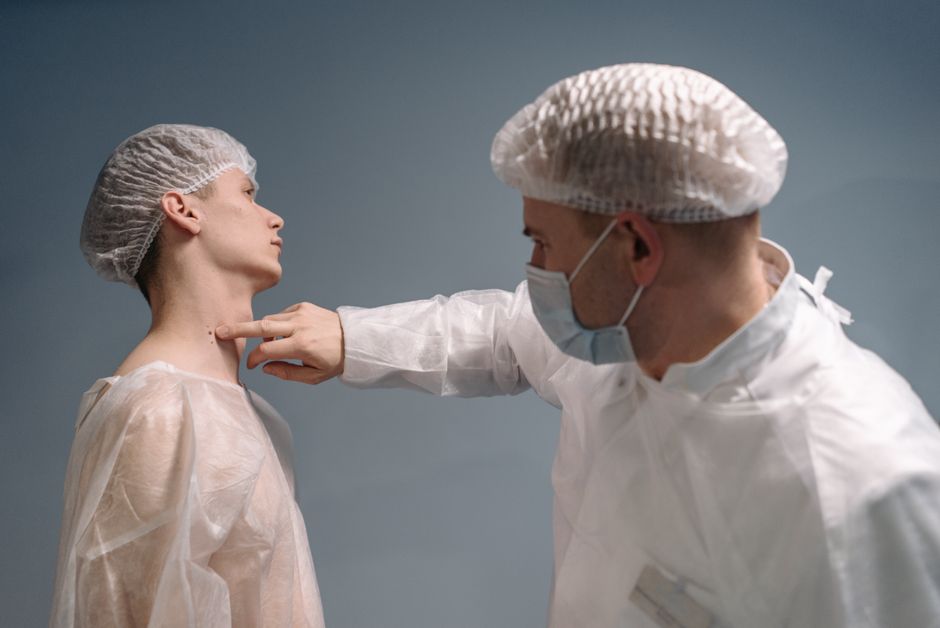
6. Recovery & Precautions — The Honest Timeline
What to Expect Day by Day
| Day | Typical Skin Appearance & Sensation | Key Actions |
|---|---|---|
| Day 0–1 | Moderate redness, warmth, mild swelling (especially under eyes) | Cool compresses, gentle moisturiser, SPF if going outside |
| Day 2–3 | Skin may feel rough, bronze-toned (“bronzing effect” — tiny treated columns darkening before shedding) | Do NOT pick or exfoliate; keep skin hydrated |
| Day 4–5 | Micro-exfoliation begins — tiny flakes of skin shedding naturally | Gentle cleansing only; continue moisturising; avoid makeup if possible |
| Day 5–7 | Most peeling complete; skin appears pinker and fresher | Cautious re-introduction of gentle skincare; strict SPF |
| Week 2+ | Redness fading; initial texture and luminosity improvements visible | Gradual return to full routine; continue sun protection |
What to Avoid During Recovery
- Sun exposure: Treated skin is highly photosensitive. Wear SPF 50+ every day — rain or shine — for at least 4–6 weeks post-treatment.
- Active ingredients: Avoid retinoids, AHAs, BHAs, and vitamin C serums until the skin has fully healed (typically 1–2 weeks).
- Heat environments: Saunas, hot yoga, and steam rooms should be avoided for at least one week.
- Picking or peeling: Premature removal of shedding skin may cause scarring or hyperpigmentation. Let it shed naturally.
- Makeup: Most clinicians recommend waiting at least 48–72 hours before applying makeup over treated skin, and only with clean brushes or fresh applicators.
- Strenuous exercise: Sweat and increased circulation can irritate healing skin — take it easy for the first few days.
7. Typical Price Range in Korea
One of the reasons many international visitors seek skin treatments in Korea is the combination of high-quality care and relatively competitive pricing compared to North America, Australia, or Western Europe. However, it’s important to understand that prices vary significantly based on the clinic’s location, the practitioner’s experience, the specific protocol used, and the number of passes or areas treated.
As a general ballpark for budgeting purposes:
- Single Fraxel session (full face): Approximately USD $250–$700 per session in Korean dermatology clinics, with premium clinics in areas like Gangnam trending toward the higher end.
- Package deals (3–5 sessions): Many clinics offer bundled pricing that may represent a modest saving per session — typically ranging from USD $600–$2,500 depending on the package scope.
For context, comparable treatments in the United States commonly run USD $700–$1,500 per session, which helps explain why dermatology tourism to Korea has grown steadily among international beauty travellers.
Important: Always obtain a written quote during your consultation. Prices quoted online may not reflect current rates or your personalised treatment plan. Never choose a clinic based on price alone.
8. Frequently Asked Questions (FAQ)
Q1: Can I get Fraxel done during a short trip to Korea — say, a one-week visit?
Technically, one session is possible during a short visit, and many medical tourists do exactly this. However, bear in mind that you’ll need approximately 5–7 days of social downtime before your skin looks presentable, and you should ideally have a follow-up consultation. If you’re planning sightseeing immediately after treatment, factor in the bronzing and peeling phase. Some visitors schedule their treatment on the last day of their trip so they can heal at home — a practical approach if your home country has access to good aftercare support.
Q2: Is Fraxel painful? What does it feel like?
With topical numbing cream applied correctly, most patients describe the sensation as tolerable rather than painful — a warm prickling or “pins and needles” feeling. Bony areas (like around the nose or orbital bones) tend to be more sensitive. Pain tolerance varies individually, and some clinics offer additional cooling devices or numbing injections for particularly sensitive patients.
Q3: How is Fraxel different from CO2 laser or other resurfacing treatments I’ve heard about?
CO2 laser is a fully ablative laser — it removes the entire surface of the treated skin, producing dramatic results but also significantly more downtime (often 1–2 weeks of visible recovery). Fraxel is fractional and typically non-ablative (in its most common versions), meaning it treats only a fraction of the skin at a time and leaves the surface largely intact. The tradeoff: CO2 may produce more dramatic results per session, but Fraxel generally offers a kinder recovery profile. Many Korean clinicians use both in their practices and will recommend the appropriate tool based on your skin’s needs.
Q4: I have darker skin (Fitzpatrick IV–VI). Is Fraxel safe for me?
This is a critically important question that deserves a direct answer. Darker skin tones carry a higher risk of post-inflammatory hyperpigmentation (PIH) — where the treated skin develops darker patches as a response to inflammation. This does NOT mean Fraxel is impossible for darker skin types, but it does mean you need:
- A practitioner with documented, demonstrable experience treating your skin type
- Modified, lower-energy settings and adjusted protocols
- Potentially a pre-treatment topical preparation phase
- Careful post-treatment management
Ask to see before-and-after photographs of patients with similar skin tones treated at the clinic. A reputable practitioner will have them. If a clinic dismisses this concern or cannot produce evidence of experience with darker skin, that is a significant red flag.
Q5: Can Fraxel treat melasma?
Melasma is one of the more complex skin conditions to treat, and the relationship between laser treatment and melasma is nuanced. The 1927 nm wavelength may help address superficial pigmentation, but melasma has a hormonal and UV-driven component that means it can return — and in some cases, laser-induced inflammation may temporarily worsen it. Korean dermatologists typically approach melasma with a combination strategy — topical treatments, sun protection, and carefully calibrated laser sessions. Fraxel may be part of that strategy, but it is rarely used as a standalone solution for melasma.
Q6: What skincare should I use to support my results after Fraxel?
Post-Fraxel skincare typically focuses on three pillars: gentle hydration, barrier support, and sun protection. Your clinic will provide specific product recommendations, but general principles include:
- Immediately post-treatment: Simple, fragrance-free moisturisers (ceramide-rich formulas are popular in Korean aftercare)
- SPF 50+ every morning: Non-negotiable for at least 6 weeks post-treatment
- Gradual reintroduction of actives: Wait for full healing before reintroducing retinoids or exfoliating acids — your clinician will advise
Q7: Is one session enough to see a difference?
Many patients report a noticeable improvement in skin luminosity and texture after even a single session, particularly for mild concerns or skin maintenance purposes. However, for more established issues like moderate acne scarring or deeper textural irregularities, a course of treatment is generally recommended for meaningful, lasting improvement. Setting realistic expectations with your dermatologist before you begin is key.
9. Conclusion — Your Pre-Decision Checklist
Fraxel’s rise in Korean dermatology clinics reflects both its scientific credibility and its genuine versatility as a skin treatment. For international visitors, it represents an accessible entry point into the world of aesthetic dermatology — provided you approach it thoughtfully, with realistic expectations and a qualified practitioner.
Before booking your session, run through this checklist:
| Pre-Decision Checklist | Done? |
|---|---|
| Researched the procedure thoroughly and set realistic expectations | ☐ |
| Checked that the clinic has board-certified dermatologists (피부과 전문의) performing or supervising treatments | ☐ |
| Confirmed the practitioner has experience with your specific skin type | ☐ |
| Scheduled a proper consultation (not just a brief chat) before committing | ☐ |
| Asked to see before-and-after photographs of real patients | ☐ |
| Disclosed all medications, supplements, and medical history | ☐ |
| Planned your trip timeline to allow for recovery (5–7 days minimum) | ☐ |
| Obtained a written treatment plan and itemised price quote | ☐ |
| Stocked up on gentle moisturiser and SPF 50+ for aftercare | ☐ |
| Arranged access to medical support if needed during home recovery | ☐ |
Korean dermatology’s strength lies not just in its technology, but in the culture of careful, consistent skin care that surrounds it. Fraxel, used thoughtfully and maintained well, may contribute meaningfully to that ongoing journey — but it works best as part of a broader commitment to your skin’s health, not a single magical fix.
If you’re considering making it part of your K-beauty trip, go in informed, go in with questions, and find a practitioner who takes the time to truly understand your skin. That, more than any specific device, is the real secret behind Korean dermatology’s enduring reputation.
Disclaimer: This article is for informational purposes only and is not medical advice. Always consult a board-certified professional before any procedure.