Tune Face (튠페이스): The Korean Clinic Lifting Treatment Everyone Is Talking About
Walk into almost any aesthetic dermatology clinic on Seoul’s Gangnam district these days and you’ll spot “튠페이스” on the treatment menu — often positioned right alongside heavy-hitters like Ultherapy and Thermage. International visitors planning a K-beauty clinic tour are increasingly adding it to their lists, and Korean lifestyle media has been buzzing with before-and-afters and expert commentary. But what exactly is Tune Face, how does the science work, and — most importantly — is the excitement justified?
This guide breaks it all down: the mechanism, the realistic outcomes, who makes a good candidate, what the procedure actually feels like, and the costs you can roughly expect. No hype, no guarantees — just clear, practical information so you can walk into any consultation with the right questions already in your head.
1. Why Tune Face Is Everywhere in Korean Clinics Right Now
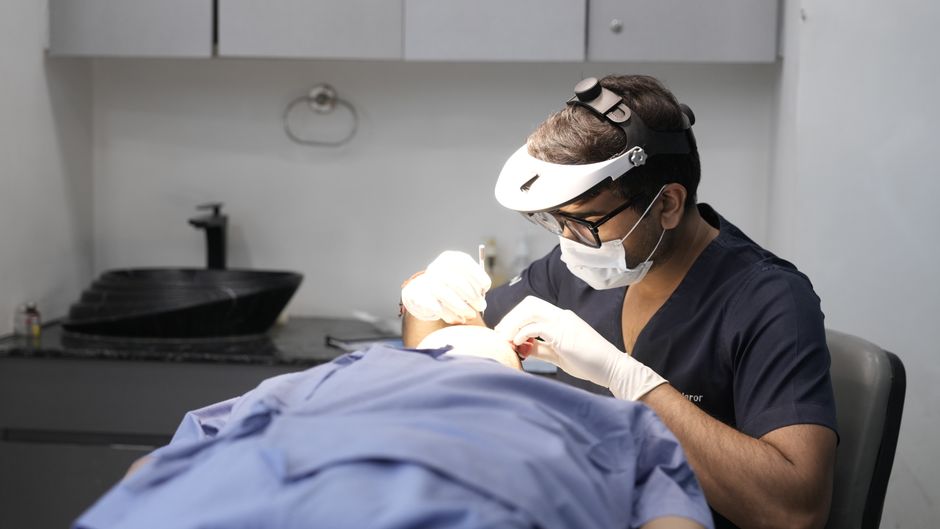
Korean aesthetic medicine has always moved fast, and the current appetite is for treatments that deliver noticeable lifting and pore-tightening results without the downtime of laser resurfacing or the discomfort associated with high-intensity focused ultrasound (HIFU) devices. That sweet spot is exactly where Tune Face has landed.
Several factors have fuelled its rise:
- A comfort-first market shift: Post-pandemic clinic-goers are more treatment-savvy and more vocal about wanting procedures they can fit into a lunch break. Tune Face is marketed — and widely reported — as significantly more comfortable than comparable energy-based devices.
- Multi-concern versatility: Korean dermatologists frequently describe it as addressing pore size, skin laxity, fine lines, and overall texture in a single session, making it attractive to patients who want efficiency.
- Influencer and media momentum: Major Korean health publications including Health Chosun and Smart Today have run features on it, and dermatologist interview segments have pushed it further into mainstream awareness.
- Compatibility with combination protocols: Experienced practitioners note that Tune Face pairs well with other popular clinic staples — it is increasingly being offered as part of combination protocols alongside Ultherapy or Thermage to maximise results across different skin layers.
The result is a treatment that has moved from “new device curiosity” to a genuine menu staple in a relatively short window — which, by Korean dermatology standards, is saying something.
2. How Tune Face Works — The Science in Plain English
Tune Face is an RF (radiofrequency) micro-needling device — but with a specific engineering approach that distinguishes it from earlier generations of the same technology category.
The Core Mechanism: Fractional RF Energy + Micro-Needling
Here is what happens during a treatment, step by step at the cellular level:
- Micro-needles penetrate the skin: A cartridge of ultra-fine insulated needles enters the skin to a precisely controlled depth. The insulation on the needle shafts means the energy is released only at the tip, not along the entire length of the needle — this is key to minimising surface trauma while still reaching the target depth in the dermis.
- Radiofrequency energy is delivered: At the needle tip, RF energy is emitted. RF energy generates heat through electrical resistance in the tissue. This controlled thermal injury triggers the body’s wound-healing cascade.
- Collagen remodelling begins: The heat-damaged tissue stimulates fibroblasts — the skin’s collagen-producing cells — to kick into repair mode. Over the following weeks and months, new collagen and elastin fibres are laid down, gradually improving skin firmness and texture.
- The epidermis is largely spared: Because the energy is concentrated at the needle tip deep in the dermis (rather than heating the entire column), the outer skin layer experiences comparatively little trauma. This is the mechanism behind the reported low-downtime profile.
What Makes Tune Face Specific?
The device is engineered to allow precise depth control and energy parameter adjustment, which means a practitioner can tailor the treatment to address different skin layers in the same session — shallower passes for pore refinement and surface texture, deeper settings for lifting and laxity. Korean dermatology commentary, including interviews in Maeil Ilbo, highlights this adjustability as a key differentiator when combining Tune Face with HIFU or surface laser treatments: each device can be assigned a specific “lane” to work in, reducing overlap and maximising results.
In plain terms: think of the skin as a layered structure. Tune Face allows the clinician to target which floor of that structure they want to renovate, and with how much energy, giving significantly more nuanced control than older single-depth devices.
3. Results and Longevity — What to Realistically Expect
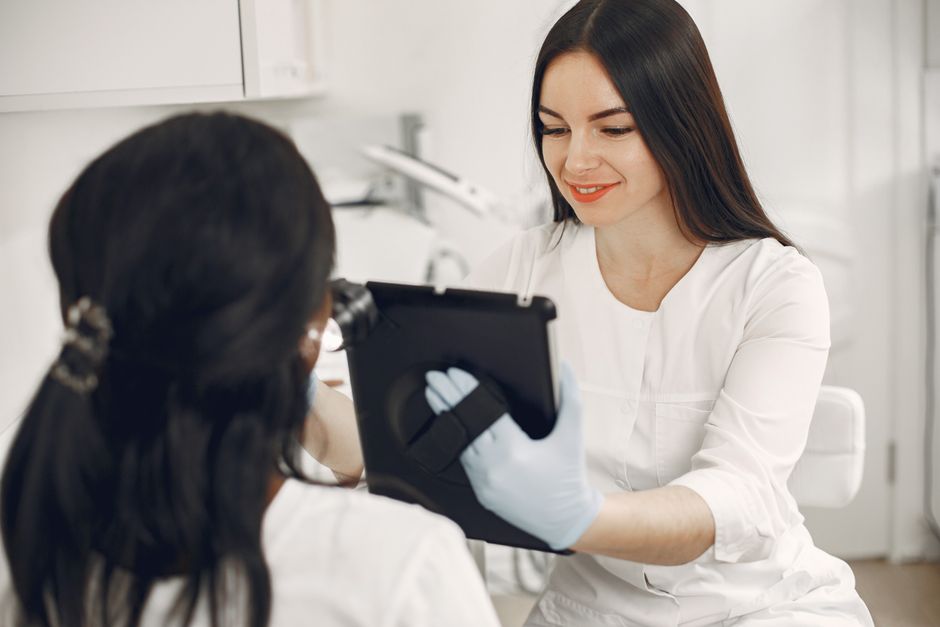
Managing expectations is important with any energy-based skin treatment. Here is an honest breakdown:
What Tune Face May Improve
- Overall skin firmness and a mild-to-moderate lifting effect
- Appearance of enlarged pores
- Fine lines, particularly around areas with thinner skin
- Skin texture and smoothness
- Early jowling or mild facial laxity
Timeline of Results
| Timeframe | What You May Notice |
|---|---|
| Immediately after | Mild redness, slight swelling — skin appears slightly flushed |
| 1–2 weeks post-treatment | Skin settles; some patients report an early glow effect |
| 1–3 months | Collagen remodelling underway; gradual improvements in firmness and texture become visible |
| 3–6 months | Peak improvement window for most patients |
Number of Sessions
Most Korean clinic protocols suggest an initial course of 3 to 4 sessions spaced approximately 4 weeks apart, followed by maintenance sessions every 6 to 12 months depending on individual response and the natural ageing process. Single sessions are available and may be sufficient for younger patients or those using Tune Face as part of a combination treatment plan, but a practitioner’s recommendation should always guide this.
Longevity
Results from RF micro-needling in general are not permanent — the skin continues to age and collagen naturally degrades over time. Improvements from a full course may last approximately 12 to 18 months for many patients before maintenance is advisable, though individual factors such as age, skin quality, sun exposure habits, and lifestyle all influence this significantly.
4. Who It Suits — and Who Should Skip It
Good Candidates
- Ages roughly 30–55 experiencing early-to-moderate skin laxity, enlarged pores, or fine lines
- Those with all skin tones — because the energy is delivered dermally rather than targeting surface pigment, RF micro-needling is generally considered suitable across a wide range of Fitzpatrick skin types, including darker skin tones that can be at higher risk with certain laser treatments
- People seeking a low-downtime option who cannot afford extended recovery
- Those already using Ultherapy or Thermage who want a complementary treatment targeting a different skin layer
- Patients with oily or enlarged-pore concerns alongside laxity — the pore-tightening component is frequently highlighted as a standout benefit
Who Should Approach with Caution or Skip It
- Anyone with active acne, open wounds, or inflammatory skin conditions in the treatment area
- Patients with implanted electronic devices (e.g., pacemakers) — RF energy and implanted electronics do not mix safely
- Those with metal implants in or very near the treatment zone
- Individuals who are pregnant or breastfeeding
- People with very severe laxity — advanced skin sagging is generally better addressed through surgical approaches; energy devices work best in the mild-to-moderate range
- Those with certain clotting disorders or skin healing conditions — always disclose your full medical history at consultation
A note on skin tone: One of the reasons RF micro-needling has become particularly popular in Asian dermatology markets is that the energy mechanism poses a lower risk of post-inflammatory hyperpigmentation compared to ablative lasers — an important consideration for many East and Southeast Asian skin types. That said, every individual is different, and a thorough consultation is essential.
5. The Procedure Step by Step — Consultation to Aftercare
Step 1: Consultation
A thorough skin assessment comes first. A qualified practitioner will evaluate your skin laxity, pore condition, texture concerns, and overall skin health. They will ask about your medical history, current medications (including supplements), and any previous treatments. This is the moment to ask all your questions — more on that in the FAQ section below.
Step 2: Skin Preparation
The treatment area is cleansed to remove all makeup, SPF, and skincare products. A topical numbing cream (typically lidocaine-based) is applied and left on for approximately 30 to 45 minutes. This is a significant part of why the procedure is described as considerably more comfortable than some comparable treatments — the anaesthetic cream does meaningful work before a single needle touches your skin.
Step 3: The Treatment
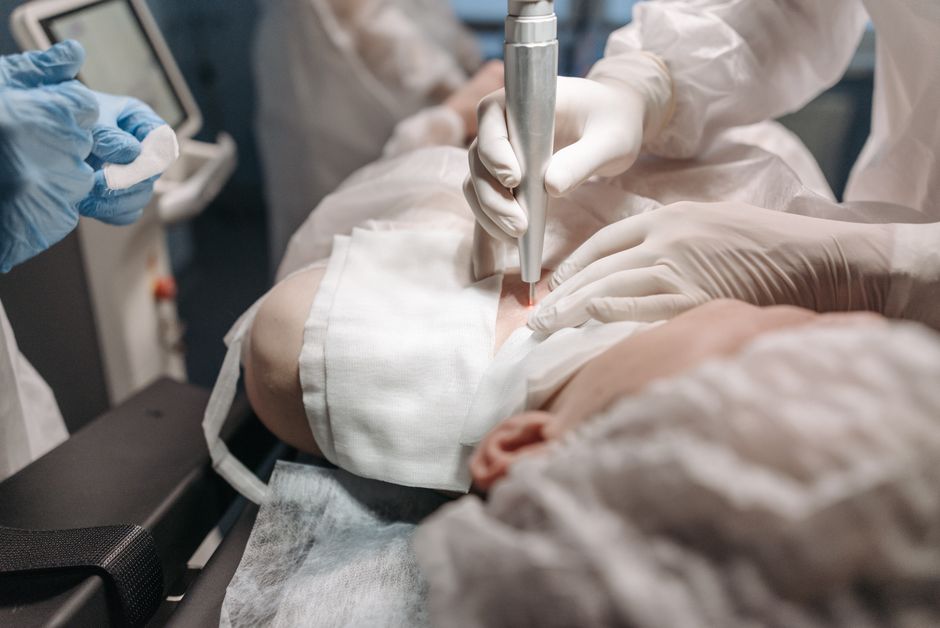
Once numbing is confirmed, the numbing cream is removed and the practitioner begins passing the Tune Face handpiece systematically across the treatment areas — typically the full face, and sometimes the neck. Each pass involves the micro-needle cartridge stamping into the skin and delivering a brief pulse of RF energy. Most patients describe the sensation as a mild pressure or warmth rather than sharp pain, though individual sensitivity varies. A full-face session typically takes 20 to 40 minutes.
Step 4: Soothing / Immediate Aftercare in Clinic
Immediately after the treatment, the clinician will apply soothing serums, a calming mask, or LED light therapy to reduce redness and support the skin barrier. You will leave the clinic with some redness — think of the flush you get from a brisk walk — but most patients report feeling comfortable enough to manage daily life within hours.
Step 5: At-Home Aftercare Guidance
You will receive specific instructions. Typical guidance includes gentle cleansing, rich moisturiser application, and strict sun protection. Full details in the recovery section below.
6. Recovery and Precautions — Timeline and What to Avoid
Typical Recovery Timeline
| Day | What to Expect | Key Dos and Don’ts |
|---|---|---|
| Day 0–1 | Redness, mild swelling, warmth; tiny pinpoint marks may be visible | Gentle cleanse only; apply prescribed soothing products; avoid touching face unnecessarily |
| Day 2–3 | Redness subsides; skin may feel slightly tight or dry | Begin moisturising generously; SPF 50+ mandatory outdoors; no active skincare ingredients |
| Day 4–7 | Most visible signs resolve for the majority of patients; skin may feel slightly sensitive | Continue sun protection; still avoid harsh exfoliants or actives |
| Week 2 onwards | Skin returns to normal; gradual collagen process underway | Gradually reintroduce active ingredients (retinol, AHAs) — confirm timing with your practitioner |
What to Avoid After Treatment
- Direct sun exposure without SPF — newly treated skin is more vulnerable to UV damage and pigmentation
- Saunas, hot baths, intense exercise — heat and sweat may increase irritation risk in the first 48–72 hours
- Active skincare ingredients (retinoids, AHAs, BHAs, vitamin C) for at least one week, or as directed
- Makeup on the day of treatment; most practitioners advise waiting 24 hours minimum
- Swimming — particularly pools with chlorine — in the first week
- Other in-clinic treatments in the same area for the period recommended by your practitioner
7. Typical Price Range
Pricing for Tune Face in Korean aesthetic clinics varies depending on the area treated, the number of passes, whether it is part of a package or combination protocol, and the specific clinic’s positioning. As a general ballpark for international reference:
| Treatment Scope | Approximate USD Range (Single Session) |
|---|---|
| Full face | Approximately USD $200 – $500 |
| Full face + neck | Approximately USD $300 – $700 |
| Package (3–4 sessions) | Often offered at a discount from the per-session price; packages vary widely |
Note: These are approximate ranges based on general market information and are intended purely for budgeting reference. Actual pricing will depend on the individual clinic, practitioner experience level, geographic location within Korea, and the specific parameters of your treatment plan. Always confirm pricing directly during your consultation.
Compared with Ultherapy (which commonly runs USD $800–$2,000+ for a full face in Korean clinics) or Thermage (similarly positioned at a premium), Tune Face occupies a more accessible price tier — one reason it is proving popular as both a standalone treatment and a complement to higher-cost anchor treatments.
8. Frequently Asked Questions
Q1: Does Tune Face hurt?
Most patients describe the experience as very tolerable, particularly compared with HIFU-based treatments. The topical numbing cream applied beforehand significantly reduces discomfort. Sensations are typically described as mild pressure, warmth, or a “stamping” feeling rather than sharp pain. Individual pain tolerance varies, and areas of thinner skin (around the eyes, jawline) may be more sensitive than others.
Q2: How is Tune Face different from Ultherapy or Thermage?
These are three distinct technologies working on different principles. Ultherapy uses focused ultrasound energy to reach very deep tissue layers (including the SMAS muscle fascia layer that surgeons target in facelifts). Thermage uses monopolar radiofrequency to heat deeper dermal and subdermal tissue. Tune Face uses insulated micro-needles to deliver fractional RF energy at precisely controlled dermal depths. In practice, Korean dermatologists increasingly use all three as complementary tools within the same treatment plan — each assigned to a specific depth or concern — rather than as either/or competitors.
Q3: Is one session enough, or do I need a course?
This depends on your skin’s current condition, your goals, and your practitioner’s assessment. Younger patients with mild concerns may see meaningful results from a single session. Those with more established laxity or pore concerns typically benefit from a course of 3 to 4 sessions. Your consultation should result in a clear recommended plan specific to your skin.
Q4: I have darker skin — is Tune Face safe for me?
RF micro-needling is generally considered lower-risk for darker skin tones compared with many laser treatments, because the energy mechanism targets tissue via electrical resistance rather than light-based pigment absorption. However, “generally lower risk” does not mean risk-free, and it is essential to consult with a practitioner experienced in treating your Fitzpatrick skin type. Ask specifically about their experience and protocol for your skin tone.
Q5: Can I combine Tune Face with other treatments during the same clinic visit?
Combination treatments are common in Korean aesthetic clinics and Tune Face is frequently paired with HIFU devices (Ultherapy, Doublo) or other energies. However, not all combinations on the same day are appropriate for all patients. What is combined, in what order, and at what energy settings requires careful clinical judgement. This should be discussed in detail at your consultation, not decided on the spot.
Q6: How long before a big event should I schedule my treatment?
Given that redness and mild swelling are normal in the 24–72 hour window after treatment, most practitioners advise scheduling at least one week before any important event — two weeks is more comfortable if you want to allow for any individual variation in recovery. Results also build gradually over months, so for the most visible outcome, earlier planning is better.
Q7: What questions should I ask at my consultation?
Walk in prepared with these:
- What depth and energy settings do you recommend for my specific concerns, and why?
- How many sessions do you advise for my skin, and at what intervals?
- Do you recommend combining Tune Face with any other treatment in my case?
- What results may I realistically expect given my skin’s current condition?
- What is the full aftercare protocol, and how long should I avoid active skincare ingredients?
- What are the possible side effects or complications, and how common are they in your experience?
9. Conclusion — Your Checklist Before Deciding
Tune Face represents a genuinely interesting development in Korean aesthetic dermatology — not because it is revolutionary in concept (RF micro-needling has existed for years), but because the engineering refinements around depth precision and comfort profile appear to be resonating with both patients and practitioners in a market that sets a high bar for both.
It is not a magic bullet. It will not reverse severe laxity. It requires realistic expectations, proper aftercare, and — for lasting improvement — likely more than one session. But for those in the mild-to-moderate concern range who want a low-downtime option with meaningful pore-tightening and skin-firming potential, it is worth a serious conversation with a qualified practitioner.
Before You Book: Your Decision Checklist
- ☐ My concerns (laxity, pores, fine lines, texture) fall within the appropriate range for this treatment
- ☐ I have no contraindications (active acne, implanted devices, pregnancy, relevant skin conditions)
- ☐ I have researched my practitioner’s qualifications and confirmed they are a board-certified dermatologist or plastic surgeon
- ☐ I have scheduled a proper consultation — not just a walk-in booking — before committing to treatment
- ☐ I understand results build gradually and I am not expecting instant transformation
- ☐ I have asked about the recommended number of sessions and total cost so there are no surprises
- ☐ I have planned my schedule to allow adequate recovery time, including avoiding major events in the week after treatment
- ☐ I have a clear aftercare plan and know exactly which products and activities to avoid
- ☐ I have discussed any other treatments I am considering, to ensure safe and appropriate combination planning
- ☐ I am approaching this as one tool in a broader skin health strategy — not a one-time fix
If you can check every box on that list with confidence, you are in a strong position to have a productive consultation and make an informed decision about whether Tune Face belongs in your K-beauty clinic itinerary.
Disclaimer: This article is for informational purposes only and is not medical advice. Always consult a board-certified professional before any procedure.