Dermal Fillers in Korea: The Complete Guide to K-Beauty’s Most Popular Injectable
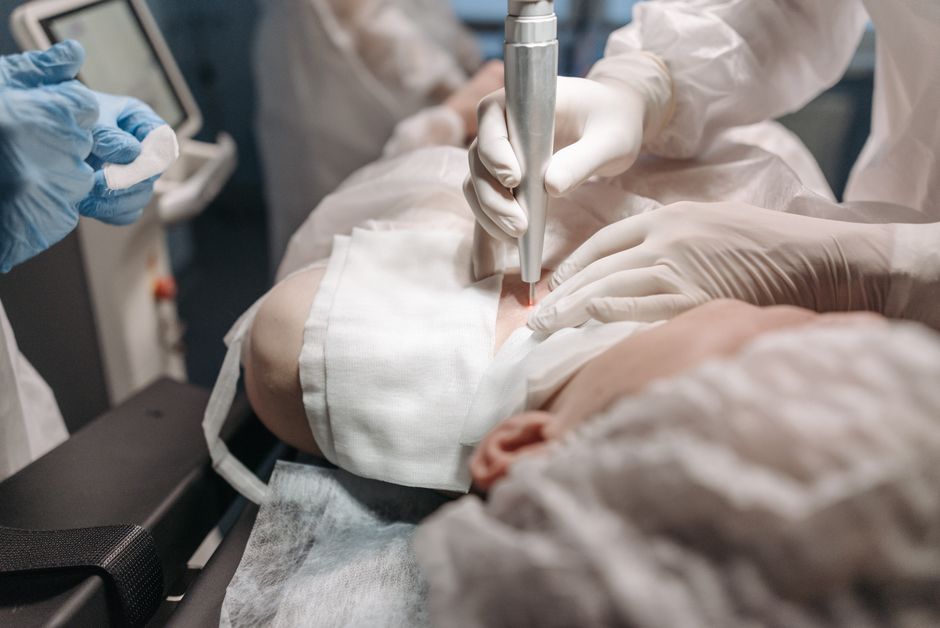
Walk past any busy dermatology clinic in Gangnam or Hongdae on a weekday afternoon and you will almost certainly see a waiting room full of patients — locals, medical tourists, and curious first-timers — many of them there for one thing: 필러 (piller), or dermal fillers. In the past few years, fillers have quietly overtaken many laser treatments as the single most requested aesthetic procedure in Korean dermatology clinics, and international interest is growing fast.
But what exactly are fillers? How do Korean dermatologists approach them differently? What should you realistically expect in terms of results, longevity, and cost? This guide answers all of that — and the questions you didn’t know to ask — so you can walk into a consultation informed and confident.
1. Why Fillers Are Everywhere in Korean Clinics Right Now
Dermal fillers are not new — hyaluronic acid (HA) fillers have been used in clinical settings since the early 2000s. But the reasons they are dominating Korean aesthetic dermatology right now are distinctly modern.
The “Natural Look” Shift
Korean beauty culture has long valued glass skin and youthful volume over dramatic transformation. As the aesthetic industry matures, patients and clinicians alike are moving away from over-filled, pillow-face results toward what Korean dermatologists call 자연스러운 윤곽 — naturally enhanced contours. Fillers, used conservatively and strategically, fit this philosophy perfectly.
A Paradigm Shift in Product Selection
Industry reporting from Korean medical media (헬스경향) highlights that the current conversation in Korean dermatology has shifted from “how much filler” to “which filler product for which tissue layer and indication.” With dozens of HA filler brands now approved in Korea — each with different cross-linking densities, viscosities, and lifting capacities — experienced Korean dermatologists are treating filler selection almost like prescribing medication: highly individualised and anatomy-specific.
Medical Tourism Demand
Korea’s well-earned reputation for both affordability and clinical expertise in aesthetics draws hundreds of thousands of medical tourists annually. Fillers, being relatively quick procedures with visible results, are consistently among the most requested treatments by international visitors.
2026 Trend Outlook
According to Korean aesthetic industry forecasts (더블유더블유디코리아), 2026 is expected to see continued growth in combination protocols — fillers used alongside skin boosters, collagen stimulators, and energy-based devices — rather than fillers as standalone treatments. The emphasis is on comprehensive facial assessment over single-point correction.
2. How Fillers Work — The Science, in Plain English
Most fillers used in Korean clinics today are based on hyaluronic acid (HA), a sugar molecule that occurs naturally in your skin, joints, and connective tissue. Its superpower is water retention: one gram of HA can hold up to six litres of water, which is why it creates that plump, hydrated look when injected into the skin.
What Happens at the Molecular Level
In a filler product, individual HA molecules are cross-linked — chemically bonded together into a gel network. The degree of cross-linking determines the filler’s characteristics:
- Lightly cross-linked (soft gels): Flow easily, integrate well with tissue, best for fine lines and under-eye hollows where subtlety is everything.
- Moderately cross-linked: Versatile, used in nasolabial folds, lip volume, and cheek contouring.
- Heavily cross-linked (firm gels): Provide structural lift; used for deep cheek augmentation, chin projection, and jawline definition.
Beyond Hyaluronic Acid
While HA fillers dominate, Korean clinics also offer:
| Filler Type | Key Ingredient | How It Works | Reversible? |
|---|---|---|---|
| HA Fillers | Hyaluronic Acid | Adds immediate volume; integrates with tissue water | Yes (hyaluronidase enzyme) |
| Collagen Stimulators | Poly-L-lactic acid (PLLA) | Triggers fibroblasts to produce new collagen over months | No |
| CaHA Fillers | Calcium Hydroxylapatite | Immediate volume + biostimulation of collagen | No |
| Skin Boosters | Non-cross-linked HA | Hydration and skin quality improvement, minimal volume change | Yes |
Korean dermatologists frequently combine these categories — for example, using a structural HA filler for cheek lift and a skin booster across the mid-face for overall luminosity.
3. Results and Longevity — What to Realistically Expect
This is the section where honest expectations matter most. Fillers may improve volume loss, soften lines, and enhance facial contours — but results vary significantly based on the product used, the injector’s technique, your anatomy, and your lifestyle.
Typical Duration by Zone
| Treatment Zone | Typical Longevity | Notes |
|---|---|---|
| Lips | 6–9 months | High movement area; metabolises faster |
| Nasolabial folds | 9–12 months | Moderate movement zone |
| Cheeks / mid-face | 12–18 months | Structural fillers may last longer |
| Under-eyes (tear trough) | 9–14 months | Delicate zone; requires experienced injector |
| Chin / jawline | 12–18 months | Less movement; tends to persist well |
| Nose (non-surgical rhinoplasty) | 9–12 months | Higher vascular risk zone — expert only |
How Many Sessions?
Many first-time filler patients in Korea receive their desired result in a single session. However, clinicians at Korean dermatology clinics often recommend a conservative first treatment followed by a review appointment 2–4 weeks later for any touch-up. Collagen-stimulating fillers (PLLA, CaHA) typically require 2–3 sessions spaced 4–6 weeks apart because their results build gradually.
4. Who It Suits — and Who Should Skip It
Good Candidates
- Adults experiencing volume loss in the cheeks, temples, or under-eye area
- Those with static lines (lines present at rest, not caused by muscle movement) who want softening
- People looking for structural contouring — chin definition, jawline refinement, nose bridge enhancement
- Patients with good skin integrity who want to address early signs of ageing
- Individuals who have had fillers before without adverse reactions
Who Should Approach With Caution or Skip
- Pregnant or breastfeeding individuals — fillers are not recommended during this period
- Those with active skin infections, cold sores, or inflammatory acne at the planned treatment site
- People with autoimmune conditions or on immunosuppressive medications — discuss thoroughly with both your treating physician and the dermatologist
- Those with a history of severe allergic reactions (anaphylaxis)
- Anyone on blood thinners (aspirin, warfarin, certain supplements like fish oil or vitamin E) — bruising risk is significantly elevated
- Patients with unrealistic expectations or those seeking correction of results from prior permanent fillers — these cases require specialist assessment
According to reporting in 이로운넷, Korean dermatologists emphasise that a proper dermatological diagnosis before any filler procedure is non-negotiable — your skin type, facial anatomy, tissue quality, and medical history all influence which product is appropriate and where it should be placed.
5. The Procedure Step by Step — Consultation to Aftercare
Step 1: Initial Consultation
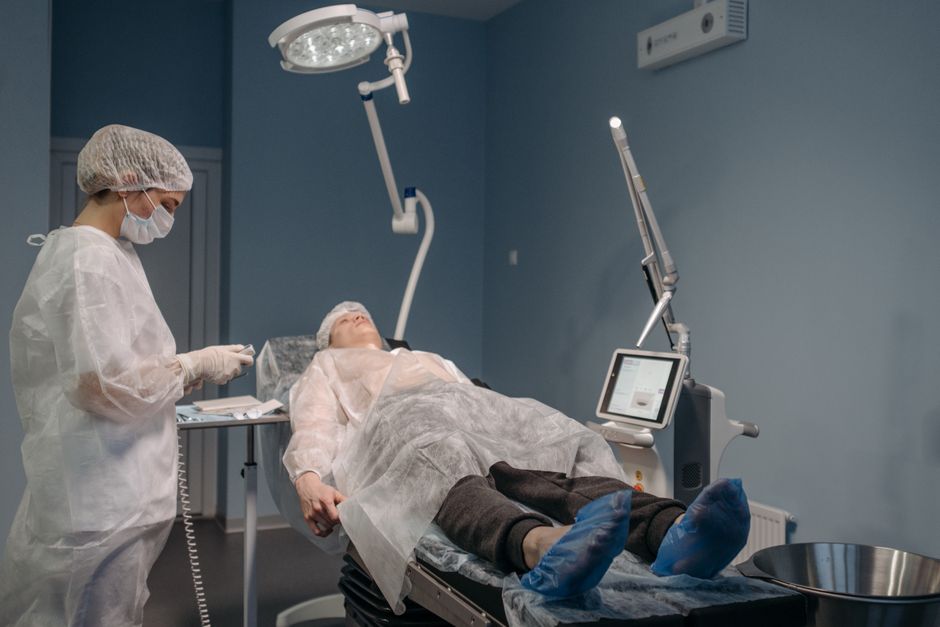
In reputable Korean dermatology clinics, a consultation with a board-certified dermatologist precedes any injection. Expect the doctor to:
- Assess your facial anatomy, skin laxity, and volume distribution
- Review your medical history and current medications
- Discuss your aesthetic goals and manage expectations
- Recommend specific filler products and volumes
- Explain potential risks and alternatives
Step 2: Pre-Treatment Preparation
You may be asked to:
- Avoid alcohol for 24–48 hours before the procedure
- Discontinue blood-thinning supplements for 5–7 days if medically appropriate
- Arrive with a clean, makeup-free face
- Sign an informed consent form (standard in all reputable clinics)
Step 3: Numbing
Topical anaesthetic cream is applied to the treatment area and left for 20–30 minutes. Many HA fillers also contain lidocaine, providing additional comfort during injection. For sensitive zones like the lips or tear trough, a local nerve block may be offered.
Step 4: The Injection
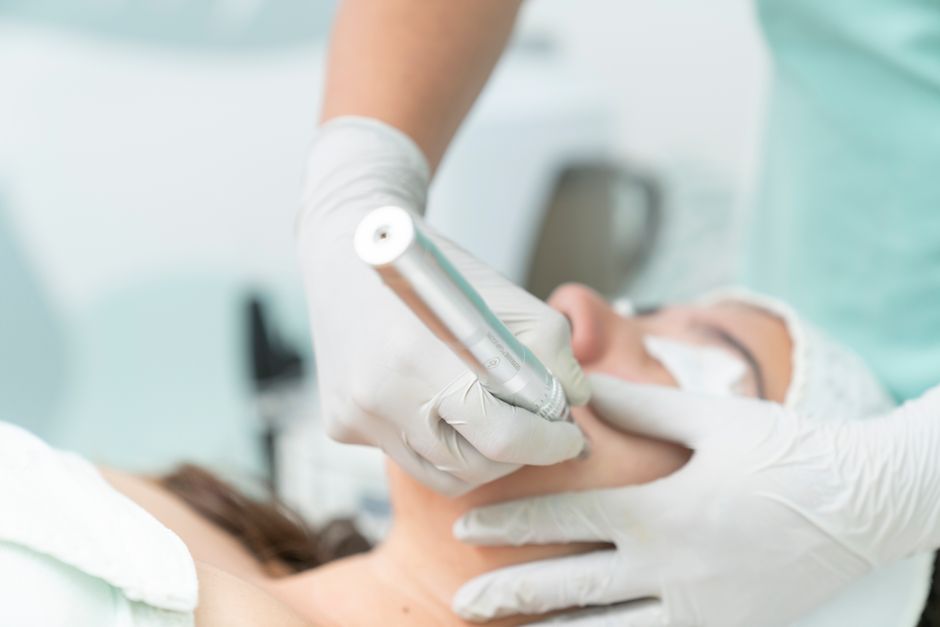
Using either a fine needle or a blunt-tipped cannula (the preferred technique in many Korean clinics for safety and precision), the dermatologist injects filler in small, controlled amounts. The process typically takes 15–45 minutes depending on the number of areas treated. The doctor may massage the area gently to ensure even distribution.
Step 5: Immediate Post-Treatment Review
The doctor or a trained nurse will review your result immediately, check for any concerning signs, and provide you with aftercare instructions.
6. Recovery and Precautions — Timeline and What to Avoid
Fillers are often called a “lunchtime procedure” — and for many patients, that’s accurate. However, “minimal downtime” does not mean “zero downtime.”
What to Expect in the First 2 Weeks
| Timeframe | Typical Experience |
|---|---|
| Hours 0–6 | Mild swelling, redness, tenderness at injection sites; possible small marks |
| Days 1–3 | Swelling may peak (especially lips and under-eyes); bruising possible |
| Days 4–7 | Swelling subsides noticeably; bruising fades; result begins to look more natural |
| Days 10–14 | Final result visible; filler has settled and integrated with tissue |
Post-Treatment Precautions
- Do not massage or press the treated area for at least 48–72 hours (unless instructed by your doctor)
- Avoid strenuous exercise for 24–48 hours — increased blood flow can worsen swelling and bruising
- No alcohol for 24 hours post-treatment
- Avoid extreme heat: saunas, hot baths, steam rooms, and prolonged sun exposure for 1–2 weeks
- Sleep with your head elevated on the first night if you’ve had significant swelling
- No facial massages or energy-based treatments (laser, RF) for at least 2 weeks
- Use SPF diligently — sun exposure does not affect the filler itself, but your skin is more sensitive post-procedure
Red Flags — Seek Immediate Medical Attention If You Notice:
- Sudden, severe pain disproportionate to the procedure
- Skin that looks white, mottled, or dusky in colour (may indicate vascular compromise)
- Vision changes of any kind
- Extreme swelling that is spreading beyond the treated area
- Fever or signs of infection several days after the procedure
7. Typical Price Range in Korean Clinics
One of the primary reasons international visitors seek fillers in Korea is cost. While prices vary based on the product brand, the volume used, the area treated, and the clinic’s location and reputation, the following ranges represent what many international patients report paying at Korean dermatology clinics as of 2024–2025.
Note: These are approximate ranges in USD only. They are not quoted from any specific clinic. Actual pricing will vary and should always be confirmed directly with your chosen clinic before booking.
| Treatment Area | Approximate USD Range (per session) |
|---|---|
| Single area (e.g., lips or chin) — 1 syringe | $200 – $450 |
| Mid-face / cheeks — 1–2 syringes | $350 – $700 |
| Full-face filler treatment (multiple areas) | $700 – $1,800+ |
| Non-surgical rhinoplasty (nose filler) | $300 – $600 |
| Skin booster (e.g., Juvederm Volite, Restylane Skinboosters) | $250 – $600 |
| Collagen stimulator (PLLA — per session) | $400 – $900 |
Important context: These prices are generally lower than equivalent treatments in the US, UK, or Australia, but this does not mean all Korean clinics offer the same standard of care. Price alone should never be your primary criterion. Always verify that the procedure will be performed by a board-certified dermatologist or plastic surgeon, not a nurse or unqualified practitioner.
8. Frequently Asked Questions
Q1: Is it safe to get fillers as a tourist visiting Korea for a short trip?
It can be, but it requires careful planning. Allow at least 10–14 days after your procedure before flying if possible, as cabin pressure and circulation changes during long flights may worsen swelling or bruising. Ensure you receive the clinic’s contact information and a detailed record of exactly which product and how much was injected — this is essential information for any follow-up care at home. Choose a clinic where a licensed dermatologist performs the procedure and conducts the consultation in a language you understand, ideally with interpreter support.
Q2: Can fillers be dissolved if I don’t like the result?
HA fillers can be dissolved using an enzyme called hyaluronidase. This is one of the major safety advantages of HA over permanent filler materials. Results of dissolution are typically seen within 24–72 hours. Non-HA fillers (PLLA, CaHA) are not reversible. This is one reason many Korean dermatologists recommend HA fillers for first-time patients.
Q3: How do I know if a Korean clinic is reputable?
Look for the following:
- The procedure is performed (not just supervised) by a board-certified dermatologist (피부과 전문의) or plastic surgeon
- A proper consultation is offered before treatment — not just a brief room assessment
- The clinic can tell you exactly which filler brand and formulation they plan to use
- The clinic stocks hyaluronidase on-site for emergency dissolution
- You receive informed consent documentation before treatment
- The clinic does not pressure you to book same-day or purchase large packages upfront
Q4: Do fillers hurt?
Most patients describe the sensation as moderate discomfort rather than significant pain, especially with topical numbing cream applied beforehand. The most sensitive areas are typically the lips and under-eye zone. Most modern HA fillers also contain lidocaine, which numbs the area progressively during injection. Pain tolerance varies significantly between individuals.
Q5: What’s the difference between fillers and Botox?
These are two entirely different treatments often used together. Botox (botulinum toxin) works by temporarily relaxing muscles that cause dynamic wrinkles — the lines formed by expression, such as forehead lines and crow’s feet. Fillers add volume and structure to address static changes — hollowing, deep folds, and loss of facial contour that are present regardless of muscle movement. Korean dermatologists frequently combine both in what’s called a combination protocol for a more comprehensive result.
Q6: Will my face look obviously “done” or frozen?
This depends almost entirely on how much product is used and where. Conservative filler treatment performed by a skilled injector who understands facial anatomy may improve your appearance in a way that looks refreshed rather than altered. The “overdone” look associated with fillers in popular culture is generally the result of excessive volume or inappropriate product choice. Korean aesthetic philosophy strongly favours subtlety, and most experienced Korean dermatologists are trained with this principle in mind.
Q7: What should I tell my doctor at home before or after getting fillers in Korea?
Always inform any physician treating you — whether for aesthetic or medical reasons — about any filler treatments you have received, including the approximate date, product name, and areas treated. Certain dental procedures, facial surgeries, or medical imaging (like MRI) may be influenced by the presence of filler materials, and your doctor needs this information for safe clinical decision-making.
9. Conclusion — Your Pre-Decision Checklist
Fillers represent one of the most versatile and widely used tools in modern aesthetic dermatology, and Korean clinics have developed genuine expertise in their application. But like any medical procedure, the outcome depends far more on who performs it, how they assess you, and what product they choose than on geography alone.
Before you book, use this checklist:
- ☐ I have a specific concern to address (not just “I want to look better”) and I can articulate it clearly
- ☐ I have researched filler types and understand the difference between HA, PLLA, and skin boosters
- ☐ I have confirmed the clinic uses a board-certified dermatologist to perform — not just supervise — the injections
- ☐ I have a consultation scheduled before any treatment commitment
- ☐ I know which product will be used and will ask to see the packaging
- ☐ I have realistic expectations — fillers may improve my concerns, not transform my face entirely
- ☐ I have planned adequate time in Korea after the procedure before flying home
- ☐ I have a plan for follow-up care at home if needed, including a dermatologist who can manage any complications
- ☐ I am not pregnant, breastfeeding, or on medications that contraindicate filler treatment
- ☐ I understand the procedure is not permanent and have budgeted for maintenance if I wish to sustain the result
Korean dermatology has a great deal to offer the world in terms of technique, product knowledge, and clinical innovation. Approaching it as an informed patient — rather than a consumer chasing a trend — is the best way to ensure your experience is a positive one.
Disclaimer: This article is for informational purposes only and is not medical advice. Always consult a board-certified professional before any procedure.