Pico Laser in Korean Dermatology: The Complete International Guide
Walk into almost any dermatology clinic on Seoul’s Gangnam-daero or browse a K-beauty forum, and you’ll encounter one term repeated with near-religious frequency: 피코레이저 — pico laser. It has become the go-to laser treatment for everything from stubborn melasma (기미) to enlarged pores, acne scars, and uneven skin tone. But what exactly is pico laser, why has South Korea embraced it so enthusiastically, and — most importantly — is it right for your skin? This guide answers all of that and more, in plain English, with no hype.
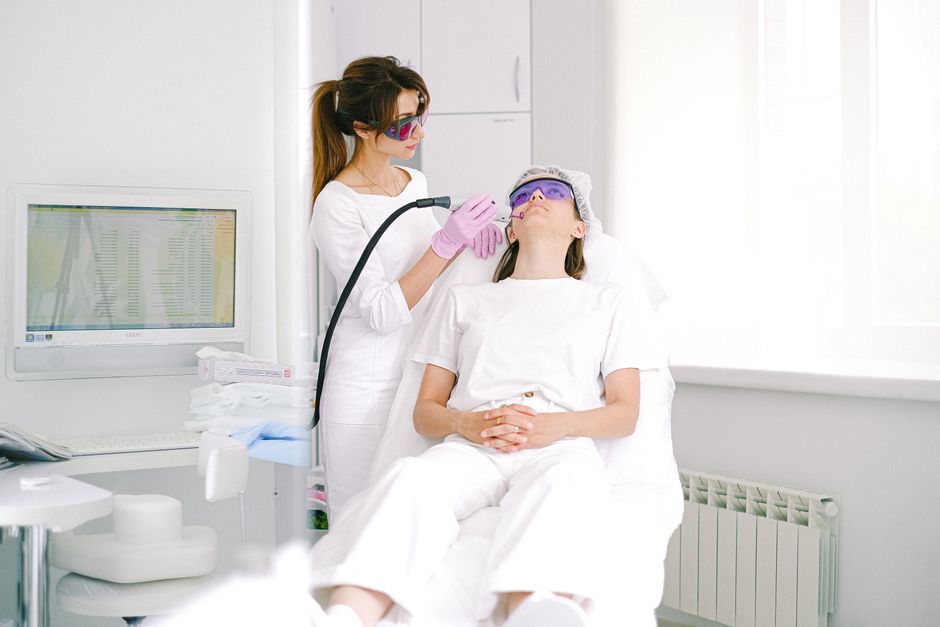
1. Why Pico Laser Is Everywhere in Korean Clinics Right Now
Korean dermatology culture is unique. Skin health is treated as a serious medical matter rather than a luxury, and clinics invest heavily in the latest technology to keep up with a highly informed, demanding clientele. Against that backdrop, pico laser has risen to dominance for several overlapping reasons:
- Versatility: A single device can address pigmentation, texture, tone, and even mild contouring effects, making it attractive for clinics and patients alike.
- Minimal downtime: In a culture where people return to work quickly and dislike prolonged redness, pico laser’s shorter recovery window compared to older ablative lasers is a significant selling point.
- Efficacy on Asian skin tones: Fitzpatrick skin types III–IV are common among Korean patients, and older nanosecond lasers carried a meaningful risk of post-inflammatory hyperpigmentation (PIH) in these skin tones. Pico laser’s ultrashort pulse duration dramatically reduces that thermal risk.
- Expanding clinical applications: Korean dermatologists have pioneered hybrid protocols — combining pico laser with other modalities — and publish clinical case studies regularly, reinforcing the treatment’s credibility.
According to Korean medical media reports, newer devices have enabled advanced applications such as pico contouring (피코윤곽술), which targets subcutaneous fat and skin laxity using focused laser energy — a frontier that is still being actively researched and refined in Korean clinics.
2. How It Works — The Science in Plain English
The key difference: nanoseconds vs. picoseconds
All lasers work by delivering targeted light energy into skin tissue. What makes pico laser distinctive is the pulse duration — how long each burst of energy lasts.
| Laser Generation | Pulse Duration | Primary Mechanism | Thermal Risk |
|---|---|---|---|
| Q-switched (nanosecond) laser | ~10–100 nanoseconds | Photothermal (heat-based) | Moderate |
| Pico laser (picosecond) | ~450–750 picoseconds | Photoacoustic (pressure-based) | Low |
One picosecond is one trillionth of a second — roughly 100 times shorter than a nanosecond. Because the pulse ends so quickly, energy cannot accumulate as heat in the surrounding tissue. Instead, the laser creates a rapid photoacoustic shockwave that shatters pigment particles (melanin, tattoo ink) into fine dust-like fragments, which the body’s immune system then clears through lymphatic drainage.
The LIOB effect: skin renewal from within
When pico laser is delivered through a special diffractive lens array (often called a “focus lens” or fractionated handpiece), it creates micro-zones of intense energy beneath the skin surface without breaking the top layer. This triggers Laser-Induced Optical Breakdown (LIOB) — tiny vacuum cavities that, as they collapse, stimulate fibroblasts to produce new collagen and elastin. The result is a remodelling effect that may improve skin texture, pore appearance, and early signs of ageing.
Wavelengths used
- 1064 nm: Penetrates deeper; suited to vascular concerns, overall brightening, and darker pigment.
- 532 nm: Targets superficial pigmentation such as freckles, age spots, and epidermal melasma.
- 595 nm / 660 nm (some devices): Used for redness, rosacea, and vascular lesions.
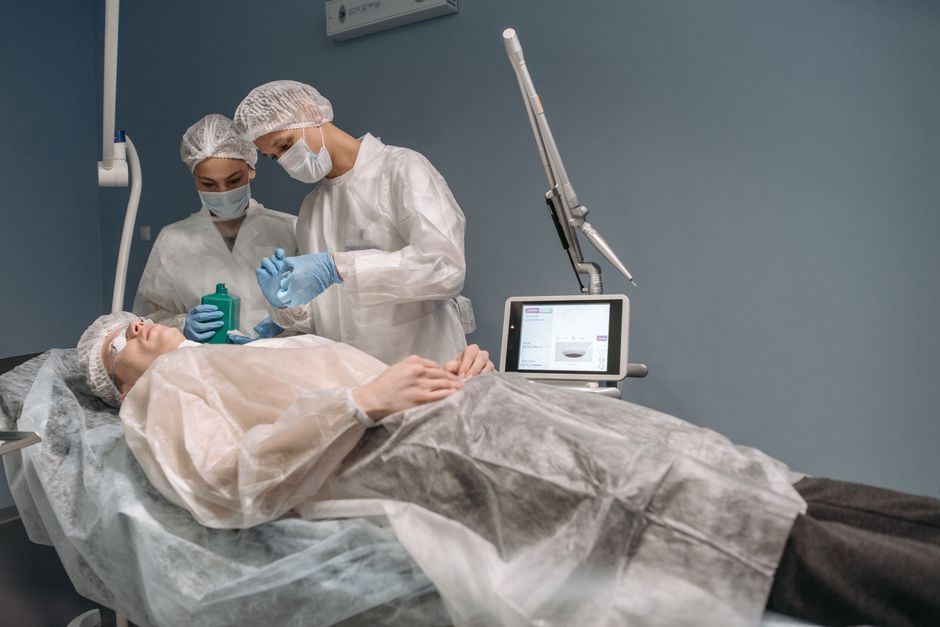
3. Results & Longevity — What to Realistically Expect
What pico laser may improve
- Melasma (기미) and sun-induced pigmentation
- Post-inflammatory hyperpigmentation (PIH) from acne
- Freckles and age spots
- Enlarged pores
- Acne scars (particularly shallow, rolling scars)
- Overall skin tone and luminosity
- Fine lines (mild improvement)
- Tattoo fading or removal
Number of sessions
This varies considerably by concern and individual skin biology. As a general guide:
| Skin Concern | Typical Session Range | Interval Between Sessions |
|---|---|---|
| General brightening / tone | 3–5 sessions | 2–4 weeks |
| Melasma | 5–10 sessions | 3–4 weeks |
| Acne scars | 5–8 sessions | 4 weeks |
| Tattoo removal | 6–15 sessions | 6–8 weeks |
| Pore refinement | 3–6 sessions | 2–4 weeks |
These ranges are general estimates only. Your dermatologist’s assessment of your individual skin condition will determine the most appropriate plan.
How long do results last?
Results are not permanent in the way surgical procedures might be. Sun exposure, hormonal fluctuations, and ageing all continue to affect the skin. Many Korean patients adopt a maintenance protocol — typically one session every 2–3 months — to sustain improvements. Rigorous daily SPF 50+ use is considered non-negotiable for longevity.
4. Who It Suits — and Who Should Skip It
Good candidates
- Fitzpatrick skin types I–V with pigmentation concerns
- Those seeking a brightening or “glass skin” effect
- People with acne scarring who want a non-ablative option
- Those with busy schedules who cannot afford extended downtime
- Medical tourists visiting Korea for a combination skin treatment plan
Proceed with caution or avoid
- Active acne breakouts: Treating inflamed skin may worsen irritation.
- Pregnant or breastfeeding: Most laser procedures are deferred during pregnancy.
- Recent isotretinoin (Accutane) use: Generally advised to wait 6 months after completing a course.
- Very dark skin tones (Fitzpatrick VI): Risk of PIH is lower with pico than older lasers, but requires an experienced practitioner and conservative settings.
- Active keloid history: Discuss carefully with your dermatologist.
- Recent sun exposure or tanning: Tanned skin significantly increases complication risk.
- Photosensitising medications: Certain antibiotics, diuretics, and retinoids may increase sensitivity — always disclose your medication list.
Red flag: Any clinic that proceeds directly to treatment without a thorough consultation, skin analysis, or medical history review should be approached with extreme caution.
5. The Procedure Step by Step
Step 1: Consultation & skin analysis
A reputable Korean dermatology clinic will begin with a formal consultation. This typically includes digital skin analysis (often using devices that assess pigmentation depth, moisture, and pore size) and a review of your skin history, medications, and goals. Ask about the specific device being used, the wavelength and settings planned for your concerns, and the practitioner’s experience with your skin type.
Step 2: Pre-treatment preparation
On the day of treatment:
- Arrive with clean, makeup-free skin.
- A topical numbing cream (lidocaine-based) is applied and left for 20–40 minutes.
- Protective eyewear is fitted.
- Cooling gel may be applied depending on the protocol.
Step 3: The laser session
The practitioner passes the handpiece over the treatment area in methodical passes. Sensation is often described as a series of rubber-band snaps or a mild prickling — generally tolerable with numbing cream. A full-face session typically takes 15–30 minutes, depending on the areas treated and the number of passes.
Step 4: Immediate post-treatment care
Immediately after, the skin may appear flushed and feel warm — similar to mild sunburn. The clinic will typically:
- Apply soothing serums or a calming mask (LED therapy is sometimes added).
- Apply physical sunscreen before you leave.
- Provide written aftercare instructions.
Step 5: Home aftercare
Gentle cleansing, fragrance-free moisturiser, and broad-spectrum SPF 50+ applied consistently are the pillars of home aftercare. Specific serums (often centella asiatica or hyaluronic acid-based) may be recommended by your clinic.
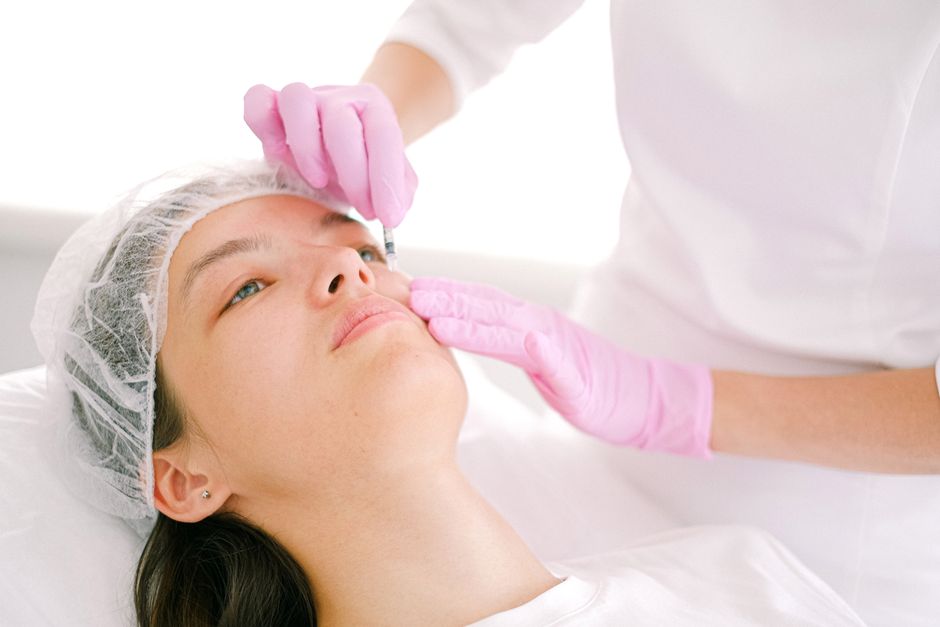
6. Recovery & Precautions — The Real Timeline
| Timeframe | What to Expect | Key Precautions |
|---|---|---|
| Day 0–1 | Redness, warmth, mild swelling | No makeup; cool compresses only; SPF immediately |
| Day 2–3 | Redness fades; slight dryness or micro-crusting possible (especially on spots treated at higher energy) | No exfoliation; no active ingredients (retinol, AHAs, BHAs); no touching or picking |
| Day 4–7 | Skin largely returns to normal; pigmented spots may appear temporarily darker before flaking off | Continue barrier repair; SPF reapplied every 2 hours if outdoors |
| Week 2–4 | Gradual brightening; improvements in tone and texture become more visible | Reintroduce actives cautiously; maintain sun avoidance |
Ongoing precautions to discuss with your clinic
- Avoid saunas, steam rooms, and strenuous exercise for at least 48–72 hours.
- Do not use scrubs or physical exfoliants until skin has fully settled.
- Alcohol-based toners and fragranced products should be set aside during recovery.
- Prolonged sun exposure should be actively avoided for at least 2–4 weeks after each session.
7. Typical Price Range
Pricing in Korean dermatology clinics varies based on the device brand, practitioner experience, geographic location (Gangnam-area clinics tend to price higher), the specific protocol, and the number of areas treated. As a general guide for international patients:
| Treatment Type | Approximate Price Range (USD, per session) |
|---|---|
| Full-face pico laser (toning / brightening) | $80 – $250 |
| Pico laser with fractionated focus lens (texture / scars) | $150 – $400 |
| Spot treatment only (small area) | $50 – $150 |
| Package deals (3–5 sessions) | Often 10–30% discount on per-session rate |
Important notes for medical tourists:
- Prices quoted on clinic websites may differ from what you are charged in person — always request a written quote during consultation.
- Package deals can offer value but consider whether you will complete the full course during your trip or on return visits.
- Factor in aftercare products, translation fees (some clinics offer English-speaking staff; others do not), and travel-related timing — you ideally want your first session at least 1–2 weeks before a long-haul flight to avoid complications.
8. Frequently Asked Questions
Q1: Is pico laser painful?
Most patients describe the sensation as mild to moderate — a quick snapping or prickling feeling. Topical numbing cream significantly reduces discomfort, and the session itself is short. Pain tolerance varies by individual and the energy settings used.
Q2: Can I get pico laser done on a short visit to Korea?
Yes, many medical tourists receive one session during a visit. However, optimal results typically require multiple sessions over weeks or months. If you are visiting Korea once, a single session may offer noticeable brightening effects, but a multi-session plan will require repeat visits or finding a provider at home to continue the protocol.
Q3: Is pico laser the same as a Q-switched laser?
No, though they are related technologies. Both use short laser pulses to target pigment, but pico laser operates at significantly shorter pulse durations (picoseconds vs. nanoseconds). This means pico laser works more through photoacoustic rather than photothermal mechanisms, which may reduce thermal side effects and potentially improve efficacy on stubborn pigmentation.
Q4: Will my skin look worse before it gets better?
Temporarily, it might. Treated pigmented spots often darken for several days before they flake away — this is a normal part of the process known as the “darkening phase.” Redness and dryness in the first few days are also common. This does not mean the treatment isn’t working; it means the skin is responding.
Q5: How is pico laser different from IPL (Intense Pulsed Light)?
IPL uses broad-spectrum light and is primarily a photothermal treatment — it heats pigment and vascular lesions. Pico laser uses a single-wavelength, ultra-short pulse that creates photoacoustic energy. Pico laser is generally considered more precise and may be more effective for deeper or more stubborn pigmentation, with a potentially lower risk of PIH in darker skin tones. That said, the right choice depends on your specific concern — your dermatologist is best placed to advise.
Q6: Can I combine pico laser with other treatments?
Korean dermatologists frequently combine pico laser with other modalities such as HIFU, skin boosters (such as polynucleotide or hyaluronic acid injections), or LED phototherapy. Combination approaches may enhance overall outcomes, but should only be planned and executed by qualified practitioners who can manage the sequencing and recovery appropriately.
Q7: What questions should I ask during my consultation?
Consider asking:
- Which pico laser device will be used, and what wavelength is appropriate for my concern?
- How many sessions do you recommend for my skin type and concern?
- What side effects should I watch for, and when should I contact the clinic?
- What is the clinic’s protocol if I experience adverse reactions (such as PIH or prolonged redness)?
- Do you have before-and-after records for patients with a similar skin profile to mine?
9. Conclusion — Your Pre-Booking Checklist
Pico laser is a genuinely impressive advancement in dermatological laser technology, and South Korea’s clinics have built considerable expertise in applying it — particularly for Asian skin tones and complex pigmentation concerns like melasma. But no treatment is universal, and results vary meaningfully between individuals. Use the checklist below before you commit.
Before you book: a practical checklist
| Checklist Item | Done? |
|---|---|
| I have researched my specific skin concern and confirmed pico laser is an appropriate modality for it. | ☐ |
| I have stopped using retinoids/AHAs/BHAs for at least 1 week before my appointment (confirm timeline with clinic). | ☐ |
| I have disclosed all medications and supplements to the clinic in advance. | ☐ |
| I have not had significant sun exposure in the 2–4 weeks prior and am using SPF 50+ daily. | ☐ |
| I have realistic expectations — I understand this may improve my skin concerns over multiple sessions, not resolve them instantly. | ☐ |
| I have confirmed the clinic employs a board-certified dermatologist to perform or supervise the treatment. | ☐ |
| I have a clear aftercare plan and have sourced appropriate post-treatment products. | ☐ |
| If I am a medical tourist, I have scheduled my session with enough recovery time before travel or key events. | ☐ |
Approached thoughtfully, with proper consultation and committed aftercare, pico laser may be a meaningful addition to your long-term skin health strategy — whether you experience it in a Seoul clinic or seek out a provider closer to home.
Disclaimer: This article is for informational purposes only and is not medical advice. Always consult a board-certified professional before any procedure.