Skin Botox: The Korean Dermatology Trend Giving Skin a Dewy, Pore-Minimising Reset
If you’ve been scrolling through Korean beauty forums lately, or found yourself inside a sleek Seoul dermatology clinic wondering what everyone else is booking, you’ve almost certainly come across the phrase 스킨보톡스 — skin botox. It’s quietly become one of the most requested treatments at Korean dermatology clinics, and international visitors are increasingly adding it to their itinerary alongside sheet masks and sunscreen hauls. But what exactly is it? Is it the same as regular botox? And is it right for your skin?
This guide breaks it all down — the science, the realistic results, the recovery, the cost, and the questions you should be asking before you lie down on that clinic bed.
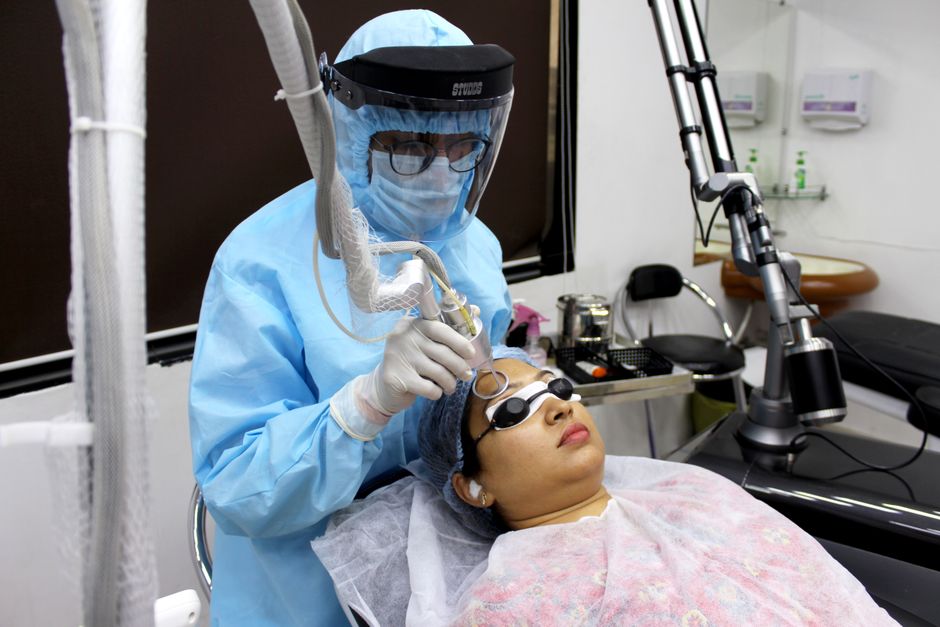
1. Why Skin Botox Is Everywhere in Korean Clinics Right Now
Korean aesthetic dermatology has long operated on a philosophy that prevention beats correction — the idea that maintaining healthy, luminous skin from your twenties and thirties is far more elegant (and ultimately more effective) than dramatic intervention later. Skin botox fits that philosophy perfectly.
According to recent Korean media coverage, the consumption of K-beauty among international visitors has shifted meaningfully. Where tourists once filled their suitcases with skincare products, they are now booking clinic appointments — and skin botox sits at the intersection of everything the global K-beauty audience already values: glass skin texture, minimised pores, reduced oiliness, and that signature Korean dewy-but-matte glow.
Korean dermatologists have also begun positioning skin botox as a cornerstone of combination treatment protocols — pairing it with devices like HIFU (Ulthera) and RF (radiofrequency) treatments to address different layers of the skin at once. This layered, age-appropriate approach to aesthetics is generating significant buzz, and skin botox — being minimally invasive, quick, and with almost no downtime — is the accessible entry point that many first-timers feel comfortable choosing.
In short: it fits the Korean clinic model beautifully. Fast, science-backed, subtle, and stackable.
2. How It Works — The Science, in Plain English
Despite its name, skin botox is quite different from the conventional botox injection you associate with smoothing forehead lines. Understanding the distinction is important.
Conventional Botox vs. Skin Botox
| Feature | Conventional Botox | Skin Botox (Mesobotox) |
|---|---|---|
| Injection depth | Deep into muscle (intramuscular) | Superficial — into the dermis (intradermal) |
| Primary target | Facial muscles causing expression lines | Sweat glands, sebaceous (oil) glands, superficial muscles |
| Main effect | Reduces dynamic wrinkles (frown lines, crow’s feet) | Reduces pore appearance, oiliness, fine surface lines; improves skin texture |
| Expression impact | Can restrict facial movement if overdone | Does not affect facial expressions |
| Typical injection pattern | A few targeted points | Multiple micro-injections across larger areas (e.g., full face, nose, cheeks) |
The Mechanism
Skin botox uses highly diluted botulinum toxin type A — the same active ingredient as conventional botox, but at a much lower concentration and delivered into the skin’s dermal layer rather than deep muscle tissue. Here’s what happens beneath the surface:
- Sweat gland regulation: Botulinum toxin temporarily inhibits the nerve signals that trigger eccrine sweat glands. Less sweat at the skin surface may translate to a less oily, more matte appearance.
- Sebaceous gland modulation: By partially inhibiting the autonomic signals to sebaceous glands, skin botox may reduce sebum production — which is why people with oily, large-pored skin tend to see notable improvements in texture.
- Superficial muscle relaxation: The tiny facial muscles just beneath the skin’s surface contribute to fine surface lines. The diluted toxin may soften these without paralysing the deeper muscles responsible for natural expression.
- Skin tightening effect: As the superficial muscles relax, the overlying skin may appear slightly tighter and smoother — a subtle but visible lift that Korean clinicians often describe as a “skin refinement” effect.
You also sometimes see the term mesobotox used internationally to describe this technique — it’s essentially the same concept.
3. Results & Longevity — What to Realistically Expect
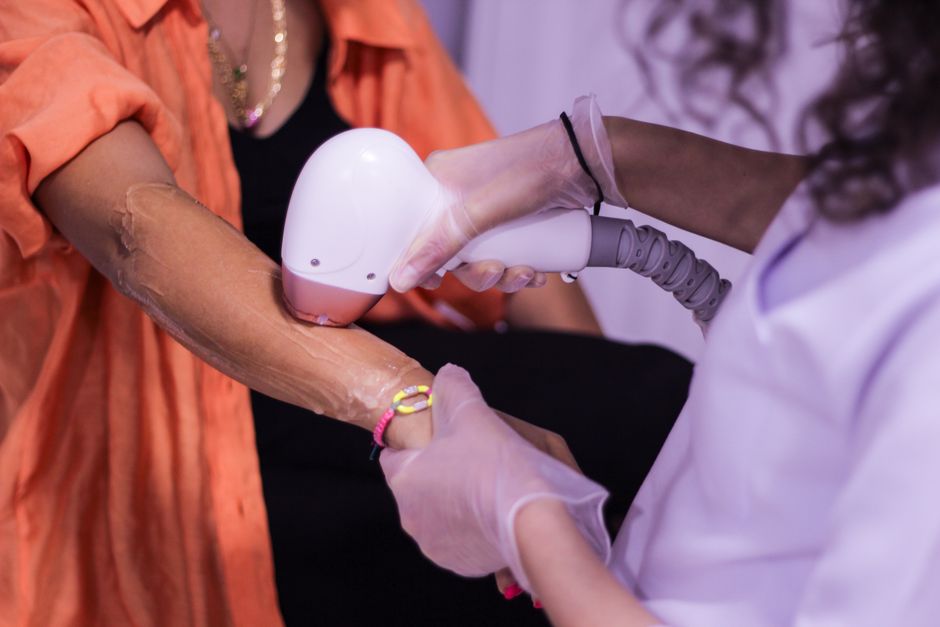
This is where honest expectations matter. Skin botox is not a dramatic transformation treatment. It is a refinement treatment, and the results tend to be cumulative and subtle rather than immediately striking.
What You May Notice
- Visibly reduced pore size, particularly across the nose and cheeks
- A smoother, more even skin texture
- Reduced oiliness and shine through the day
- Softening of very fine surface lines (not deep wrinkles)
- A subtle skin-tightening or “lifting” quality
- A dewy, refreshed appearance often described by Korean clinics as 유리피부 (glass skin)
Timeline
| Timeframe | What’s Happening |
|---|---|
| Days 1–3 | Micro-injection marks settle; skin may look slightly flushed or have tiny bumps at injection sites (temporary) |
| Day 5–7 | Initial smoothing effect may become apparent; skin feels different in texture |
| Week 2–4 | Optimal results typically visible — pore reduction, oil control, surface smoothness |
| Month 3–6 | Results gradually diminish as botulinum toxin metabolises; maintenance session advisable |
How Many Sessions?
Many dermatologists in Korea recommend an initial course of 2–3 sessions spaced 4–6 weeks apart, followed by maintenance every 3–6 months depending on how quickly your body metabolises the toxin and how significant your skin concerns are. First-time patients often report that results last longer after repeat sessions, as cumulative skin improvements build over time.
4. Who It Suits — and Who Should Skip It
Ideal Candidates
- Oily or combination skin types — the sebum-regulating effect tends to be most noticeable here
- Those with enlarged or visibly open pores, particularly across the nose, cheeks, and forehead
- Anyone bothered by surface-level fine lines that aren’t yet deep enough to warrant filler or conventional botox
- Preventative-minded patients in their late 20s to 40s looking to maintain skin quality rather than correct significant ageing
- People who have experienced regular botox and want to address skin texture alongside muscle relaxation
- Patients with hyperhidrosis (excessive sweating) of the face — the sweat-gland inhibiting effect may offer relief
Who Should Approach With Caution or Skip It
- Pregnant or breastfeeding individuals — botulinum toxin is not recommended during pregnancy or nursing
- Anyone with known allergy to botulinum toxin or its components
- Those with neuromuscular conditions (e.g., myasthenia gravis, Lambert-Eaton syndrome)
- People with active skin infections, open wounds, or severe inflammatory acne in the treatment area
- Those expecting dramatic anti-ageing results — deep wrinkles, significant volume loss, and sagging skin respond better to other treatments (fillers, HIFU, thread lifts)
- Very dry or mature skin types — where oil reduction may not be desirable and the texture benefits may be less pronounced
5. The Procedure, Step by Step
Step 1: Consultation
A thorough consultation is the foundation. A qualified dermatologist will assess your skin type, concerns, medical history, and any contraindications. This is also when they discuss realistic outcomes, the concentration of toxin to be used, and which areas of your face to target. Ask questions here — this step is crucial.
Step 2: Topical Anaesthesia
Numbing cream is applied to the treatment area and left for approximately 20–40 minutes. Skin botox involves many small injections across a wide surface area, so adequate numbing makes a meaningful difference to comfort levels.
Step 3: Skin Preparation
The area is cleaned and sterilised thoroughly. Some clinics will also mark out injection points, particularly along the cheeks, nose, and forehead.
Step 4: The Injections
Using very fine needles (or sometimes a micro-needling device adapted for toxin delivery in some clinics), the practitioner administers multiple small intradermal injections of diluted botulinum toxin. The technique used — spacing, depth, and volume per point — varies by practitioner and treatment area. The full injection process typically takes 15–30 minutes.
Step 5: Aftercare Application
Post-procedure, clinics typically apply soothing serums, calming masks, or LED therapy to reduce redness and support skin recovery. You’ll receive aftercare instructions before leaving.
Total Time in Clinic
Expect to spend approximately 60–90 minutes in the clinic from arrival to departure, including numbing time.
6. Recovery & Precautions — Your Post-Treatment Timeline
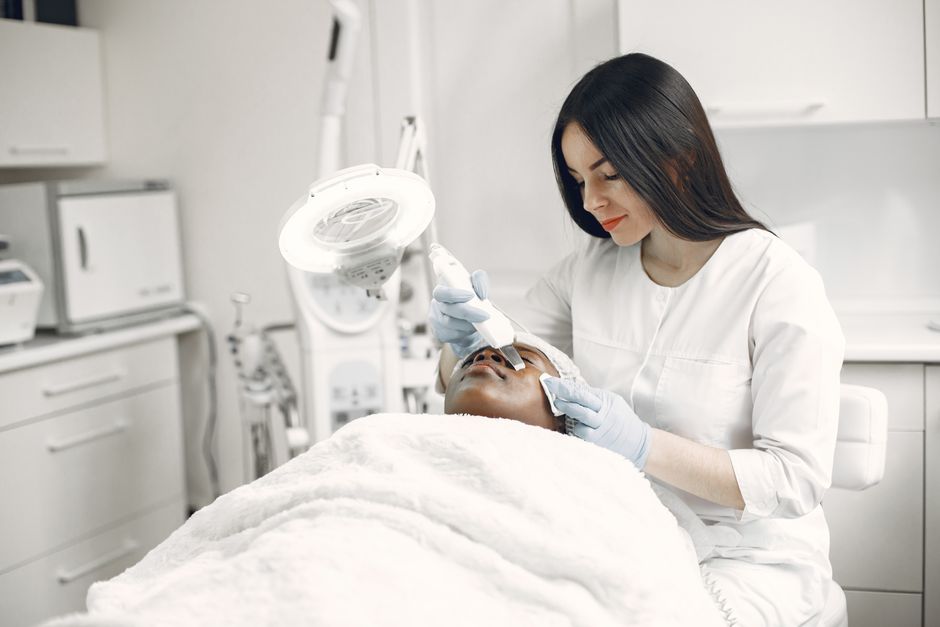
One of skin botox’s biggest appeals is its minimal downtime. Most patients return to normal activities the same day or the following morning. That said, there are clear guidelines to follow for the best outcome and to avoid complications.
Immediate Post-Treatment (First 24 Hours)
- Expect small raised bumps (papules) at each injection site — these typically resolve within 30 minutes to a few hours
- Mild redness, swelling, or a flushed appearance is normal
- Do not touch, massage, or press on the treated area
- Avoid lying face-down or applying significant pressure to the face
- Skip makeup for at least 24 hours if possible (your practitioner will advise)
First 48–72 Hours
- Avoid strenuous exercise, saunas, steam rooms, and hot baths — elevated body temperature may accelerate toxin diffusion
- Avoid alcohol consumption, which can increase bruising risk
- Stay out of direct, intense sunlight and apply SPF diligently
- Do not undergo facial massage, RF treatments, or other skin procedures in this window
First 1–2 Weeks
- Continue wearing SPF 30+ daily — post-procedure skin can be more sun-sensitive
- Use gentle, non-exfoliating skincare; hold off on retinoids and strong actives until your practitioner gives the green light
- If bruising occurs (uncommon but possible), arnica gel may help; consult your clinic
Red Flags — Contact Your Clinic If You Experience:
- Significant or spreading swelling, particularly around the eyes or lips
- Signs of infection: increasing warmth, pus, fever
- Asymmetry that persists beyond two weeks
- Any difficulty swallowing, speaking, or breathing (seek emergency care immediately — extremely rare but requires prompt attention)
7. Typical Price Range
Pricing for skin botox in South Korea varies depending on the city, the area being treated (full face vs. partial), the concentration and volume of toxin used, and the experience level of the practitioner. As a general reference point for international visitors:
| Treatment Scope | Approximate USD Range |
|---|---|
| Partial face (e.g., nose + cheeks only) | $100 – $250 USD |
| Full face skin botox | $200 – $450 USD |
| Full face + neck | $300 – $600 USD |
| As part of a combination protocol (e.g., with HIFU or RF) | Varies significantly; combination packages often available |
Note: These are approximate market ranges only, provided for general budgeting purposes. Actual pricing varies and should always be confirmed directly with your chosen clinic during consultation. These figures do not represent any specific clinic’s pricing.
Compared to many Western countries where botulinum toxin treatments carry premium price tags, Korea’s competitive medical tourism market makes skin botox notably accessible — one reason it’s increasingly popular among international visitors.
8. Frequently Asked Questions
Q1: Does skin botox hurt?
Most patients describe the sensation as mild pricking or stinging — similar to a light acupuncture session. Because numbing cream is applied beforehand, the majority of people find it quite tolerable. Sensitivity varies by area: the nose and forehead tend to be more sensitive than the cheeks.
Q2: Will I look frozen or unnatural?
No. This is one of the most common misconceptions. Because skin botox targets the dermal layer and uses a highly diluted concentration, it does not paralyse the muscles responsible for facial expression. Your face moves completely normally. The effect is skin refinement, not muscle immobilisation.
Q3: Can I combine skin botox with other treatments on the same visit?
Korean dermatologists frequently recommend skin botox as part of a combination protocol — often pairing it with HIFU, RF devices, or lasers to address multiple concerns at different skin depths in one appointment. However, the sequencing and suitability of combinations depends on your individual skin and should be determined by your practitioner.
Q4: How soon can I wear makeup after the procedure?
Most clinics advise waiting at least 24 hours before applying makeup to minimise the risk of introducing bacteria to the micro-injection sites. Your practitioner will give you specific guidance based on how your skin responds immediately post-treatment.
Q5: Is skin botox safe for dark skin tones?
Yes — unlike many laser-based treatments that carry hyperpigmentation risk for medium to dark skin tones, skin botox involves no heat energy and does not target melanin. It is generally considered suitable across a wide range of skin tones. That said, as with any injectable, discuss your skin history and any concerns with your practitioner.
Q6: I’ve never had any botox before. Is this a good starting treatment?
Many first-timers find skin botox an accessible entry point into injectable treatments precisely because it doesn’t affect facial expression and has minimal downtime. It can be a good way to experience botulinum toxin at a low-intensity level before deciding whether conventional botox is something you’d want to explore.
Q7: How do I find a qualified practitioner in Korea?
In South Korea, aesthetic dermatology procedures must be performed by licensed medical doctors. Look for board-certified dermatologists (피부과 전문의) or plastic surgeons. Be cautious of any establishment offering medical procedures without clearly qualified medical staff. Ask about the practitioner’s qualifications and experience with the specific treatment during your consultation, and don’t feel pressured to proceed if anything feels unclear or rushed.
9. Conclusion — Your Checklist Before Deciding
Skin botox is a genuinely interesting treatment — one that reflects the thoughtful, texture-focused philosophy that makes Korean dermatology so compelling to an international audience. It may improve pore appearance, oil control, and skin smoothness without affecting your natural expression or requiring real downtime. For the right candidate, it can be a satisfying addition to a Korean clinic itinerary.
But it works best when chosen with clear eyes. Use this checklist before booking:
- ✅ Clarify your concern: Are your primary issues oiliness, enlarged pores, fine texture lines? Skin botox is well-suited to these. Deep wrinkles or volume loss? Discuss other options.
- ✅ Confirm your practitioner is qualified: Ensure treatment is performed by a licensed medical doctor at a registered medical facility.
- ✅ Disclose your full medical history: Including any neuromuscular conditions, allergies, current medications, and whether you are pregnant or breastfeeding.
- ✅ Ask about the product being used: Which brand of botulinum toxin? What concentration? These are fair and important questions.
- ✅ Set realistic expectations: Skin botox is a refinement, not a transformation. It may improve texture and tone — not reverse significant ageing.
- ✅ Understand your aftercare commitments: Especially if you’re a tourist with plans in the days immediately following treatment.
- ✅ Plan for maintenance: Results are temporary. Budget for and plan follow-up sessions if you want sustained benefits.
- ✅ Don’t feel pressured: A good clinic will give you time to consider. Walk away from any practitioner who pushes upsells aggressively or can’t answer your questions clearly.
Korean dermatology’s appeal has always been rooted in its careful, evidence-informed approach to skin health rather than flashy before-and-after promises. Skin botox, at its best, embodies that ethos — subtle, purposeful, and genuinely skin-forward.
Disclaimer: This article is for informational purposes only and is not medical advice. Always consult a board-certified professional before any procedure.