Potenza RF Microneedling: The Korean Skin Treatment Taking Dermatology Clinics by Storm
Walk into almost any dermatology clinic in Gangnam or Myeongdong today, and you’ll likely spot 포텐자 (Potenza) listed prominently on the treatment menu — often right alongside classics like Ulthera and PRP. If you’ve been deep-diving into K-beauty content lately, you’ve probably already encountered the name. But what exactly is it, why has it become such a fixture of Korean skincare culture, and — most importantly — is it worth considering if you’re planning a skin treatment trip to Seoul?
This guide breaks everything down: the science, the realistic expectations, the recovery reality, and the practical details you need before booking anything.
1. Why Potenza Is Everywhere in Korean Clinics Right Now
Korean dermatology has always prided itself on precision — treatments tailored to skin type, concern, and lifestyle rather than one-size-fits-all protocols. Potenza fits neatly into that philosophy. Developed by Cynosure (a well-established medical aesthetics company), the Potenza device has gained remarkable traction in South Korea because it addresses multiple concerns simultaneously: enlarged pores, acne scarring, skin laxity, texture irregularities, and early signs of ageing — all in a single session.
Korean clinic-goers are famously discerning. They research. They compare. They want evidence-based treatments with minimal disruption to their daily routines. Potenza checks those boxes: it’s grounded in established RF (radiofrequency) microneedling science, its downtime is relatively manageable, and it can be meaningfully customised by a skilled dermatologist. Korean media sources covering medical tourism have highlighted it as one of the “invisible” treatments — those designed to improve skin without making it obvious you had anything done.
The rise of medical tourism to Seoul has also amplified Potenza’s profile internationally. Visitors flying in for a short trip increasingly want treatments that offer noticeable improvement with a recovery window that fits a travel schedule — making Potenza a popular pick for the “Seoul skin trip” itinerary.
2. How Potenza Works — The Science in Plain English
At its core, Potenza is a radiofrequency (RF) microneedling device. That sounds technical, so let’s break it down into two components:
Microneedling
Tiny needles — arranged in a precise tip configuration — create controlled micro-injuries in the skin. The body’s healing response kicks in: collagen and elastin production ramps up, skin cell turnover accelerates, and over weeks, texture and tone may improve. Microneedling alone has decades of clinical literature behind it.
Radiofrequency (RF) Energy
Here’s where Potenza distinguishes itself. As the needles penetrate to a set depth, they simultaneously deliver RF energy — essentially controlled heat — directly into the dermis (the deeper layer of skin). This thermal stimulation triggers a more robust collagen-remodelling response than microneedling alone, and it targets the structural layer where concerns like acne scars and laxity actually originate.
What Makes Potenza Different from Other RF Microneedling Devices?
| Feature | Potenza | Conventional RF Microneedling |
|---|---|---|
| Frequency modes | Monopolar AND bipolar (switchable) | Usually one mode only |
| Needle depth customisation | High — multiple tip options | Moderate |
| Tiger Tip™ technology | Yes — for ultrafine energy delivery | No |
| Fusion tip (topical infusion) | Available — can deliver serums simultaneously | Rarely available |
| Skin tone suitability | All skin tones, including darker tones | Varies by device |
One feature Korean dermatologists frequently highlight is Potenza’s Fusion Tip capability — a mode that allows topical solutions (such as skin boosters, growth factors, or hyaluronic acid) to be infused into the skin through the same needle channels created during the procedure. This is why Korean clinics often recommend combining Potenza with skin booster treatments for a more comprehensive result, particularly for hydration and radiance.
Monopolar vs. Bipolar Mode — Why It Matters
- Monopolar mode delivers energy deeper into the dermis — typically used for skin tightening and addressing volume loss or deeper structural concerns.
- Bipolar mode concentrates energy between the needle tips in a more superficial zone — commonly used for pore refinement, texture, and acne scarring closer to the surface.
The ability to switch between or combine these modes in a single session is a key reason Potenza appeals to dermatologists who want to address layered, complex concerns.
3. Results & Longevity — What to Realistically Expect
Let’s be straightforward: Potenza is not an instant transformation. Results develop gradually as collagen remodels, which is a biological process that takes time.
Typical Timeline
- Immediately after: Redness, minor swelling, skin feels tight — not a “glow” moment
- 1–2 weeks: Initial redness fades; skin may look clearer and feel smoother
- 4–8 weeks: More noticeable texture improvement may begin to appear as collagen production ramps up
- 3–6 months: Optimal results from a series of sessions may become visible
Number of Sessions
Most Korean dermatology protocols suggest 3 to 4 sessions spaced approximately 4–6 weeks apart for concerns like acne scarring or significant pore enlargement. Maintenance sessions every 6–12 months may help sustain results. However, some patients with milder concerns may see meaningful improvement after 1–2 sessions. Your dermatologist should tailor a plan to your specific skin.
How Long Do Results Last?
This varies significantly by individual — factors include skin type, age, lifestyle, sun exposure, and adherence to aftercare. Collagen remodelling results from RF microneedling are generally considered semi-permanent: the new collagen produced is real, but natural ageing continues. Many patients in Korean clinics return for a yearly maintenance session.
Important note: Potenza may improve the appearance of acne scars, enlarged pores, and skin texture — but individual outcomes vary, and no treatment can guarantee specific results.
4. Who It Suits — and Who Should Skip It
Good Candidates for Potenza
- ✅ Those with acne scarring (rolling, boxcar, or ice-pick types)
- ✅ People concerned about enlarged or visibly open pores
- ✅ Anyone noticing early skin laxity or loss of firmness
- ✅ Those wanting to improve overall skin texture and tone
- ✅ People with all skin tones, including deeper skin tones (Fitzpatrick IV–VI) — a significant advantage over many laser options
- ✅ Those who want a relatively discreet recovery compared to ablative lasers
Who Should Approach With Caution or Skip Potenza
- ❌ Active acne breakouts in the treatment area — treating inflamed skin may worsen it
- ❌ Pregnancy or breastfeeding
- ❌ Active skin infections, open wounds, or eczema/rosacea flares in the area
- ❌ Those with certain implanted electronic devices (e.g., pacemakers) — RF energy is a contraindication
- ❌ Keloid scarring history — RF microneedling carries risk of worsening keloids
- ❌ Those on certain blood thinners or photosensitising medications — always disclose your full medication list
- ❌ Anyone expecting immediate, dramatic results with zero downtime
Red flag: Any practitioner who tells you Potenza will completely erase deep acne scars in one session, or who does not conduct a thorough skin assessment before proceeding, is not following responsible clinical practice.
5. The Procedure Step by Step — Consultation to Aftercare
Step 1: Consultation and Skin Assessment
A qualified Korean dermatologist will examine your skin, discuss your concerns, review your medical history and current medications, and determine whether Potenza is appropriate. This is also when they’ll discuss tip selection, energy settings, and whether to combine with skin boosters or other treatments. A personalised treatment plan is essential — this point appears consistently in Korean dermatology commentary on Potenza.
Step 2: Cleansing and Numbing
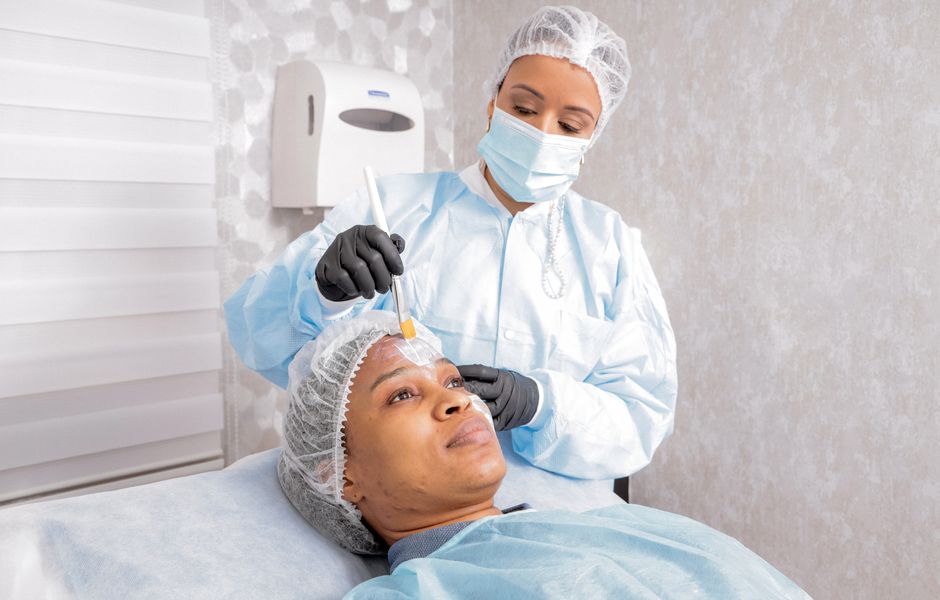
On the day of treatment, your skin is thoroughly cleansed. A topical anaesthetic cream is then applied and left on for approximately 20–40 minutes. This is standard practice and significantly reduces discomfort during the procedure.
Step 3: The Potenza Treatment
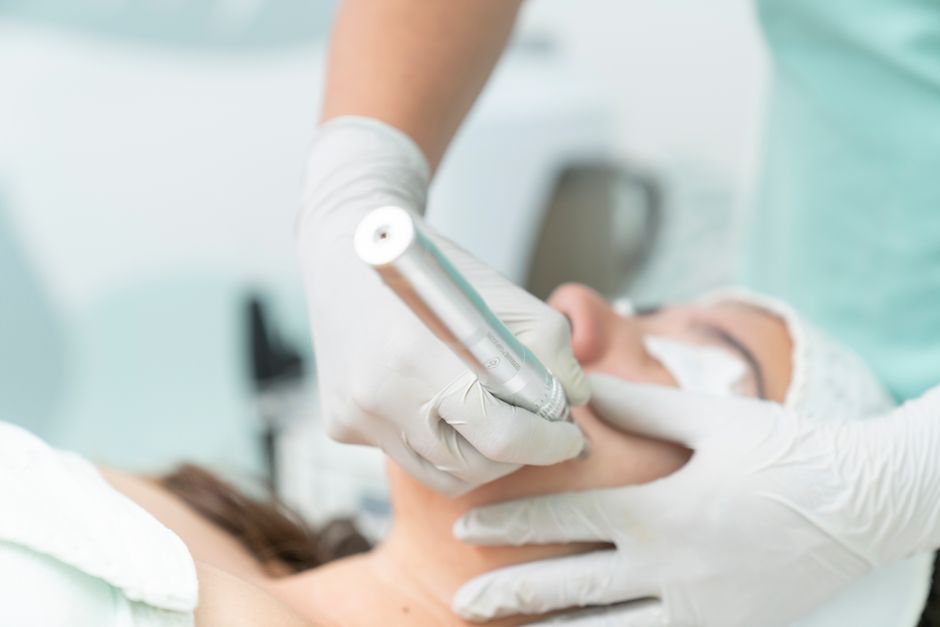
Once numbing is adequate, the dermatologist or trained practitioner applies the Potenza handpiece to your skin in a systematic grid pattern. The needles penetrate to the pre-set depth, deliver RF energy, and retract. The sensation is often described as a warm pressure or mild prickling — most patients tolerate it well with adequate numbing. A full-face treatment typically takes 20–40 minutes depending on the area and settings used.
Step 4: Immediate Post-Treatment Care
After the session, soothing serums (often containing ingredients like centella asiatica, hyaluronic acid, or growth factors) are applied to calm the skin. If Fusion Tip infusion was used, this may happen simultaneously with the procedure. A basic barrier cream and SPF are applied before you leave.
Step 5: Aftercare Guidance
You’ll leave the clinic with specific aftercare instructions — typically including a gentle skincare routine, strict sun avoidance, and guidance on what to avoid in the days following.
6. Recovery & Precautions — What to Expect and What to Avoid
Typical Recovery Timeline
| Day(s) Post-Treatment | What You May Experience |
|---|---|
| Day 0–1 | Redness, mild swelling, skin feels warm and tight (similar to mild sunburn) |
| Day 2–3 | Redness begins to reduce; some may experience minor pinpoint scabbing or dryness |
| Day 4–7 | Most visible redness resolves; skin may feel slightly dry or sensitive |
| Week 2 onward | Skin typically returns to normal; gradual improvement may begin to be noticeable |
What to Avoid After Potenza
- 🚫 Direct sun exposure — for at least 1–2 weeks; always apply SPF 50+
- 🚫 Active skincare ingredients (retinoids, AHAs, BHAs, vitamin C) — for approximately 1 week
- 🚫 Heavy exercise — avoid sweating heavily for 24–48 hours (heat can exacerbate inflammation)
- 🚫 Swimming pools, saunas, hot tubs — for at least 1 week
- 🚫 Makeup — for at least 24–48 hours (mineral SPF may be an exception — follow clinic guidance)
- 🚫 Touching, picking, or rubbing treated skin
- 🚫 Alcohol consumption — for 24–48 hours, as it can worsen swelling
Travel Consideration
If you’re visiting Seoul specifically for this treatment, plan your schedule so Potenza is not the day before a long flight or an event where you need to look your best. Allowing at least 5–7 days before any significant public-facing commitment is a reasonable buffer — though individual recovery varies.
7. Typical Price Range
Pricing for Potenza in Korean dermatology clinics varies based on the area treated, number of passes, energy settings, whether add-on treatments (such as skin boosters) are combined, and the experience level of the practitioner. As a general guide for international patients:
| Treatment Scope | Approximate USD Range (Per Session) |
|---|---|
| Full face (standard settings) | ~$300 – $700 USD |
| Full face + neck | ~$500 – $900 USD |
| Full face + skin booster combination | ~$600 – $1,200 USD |
These figures are approximate ranges based on publicly available information about RF microneedling treatment pricing in Seoul, and are provided for general orientation only. Prices fluctuate, and some clinics offer package pricing for multiple sessions. Always request a formal, itemised quote during your consultation — be wary of any pricing that seems unusually low, as this may reflect shortcuts in equipment, settings, or practitioner qualification.
Note: International patients should also factor in medical tourism-related costs: translation services, travel, accommodation, and any required follow-up consultations.
8. Frequently Asked Questions
Q1: Is Potenza safe for darker skin tones?
This is one of Potenza’s frequently cited advantages. Because the RF energy is delivered via insulated needles directly into the dermis (rather than through the surface of the skin like many lasers), there is significantly lower risk of post-inflammatory hyperpigmentation (PIH) in darker skin tones. Korean dermatologists commonly recommend it for Fitzpatrick skin types IV–VI, though a thorough consultation is always essential to confirm suitability.
Q2: How does Potenza compare to Fraxel or CO2 laser for acne scars?
Ablative lasers like CO2 may produce more dramatic results for severe scarring in certain cases, but they come with significantly longer downtime (often 1–2 weeks of visible healing), greater risk of hyperpigmentation in darker skin tones, and more intensive aftercare. Potenza offers a more moderate intervention with less downtime — suitable for those who want meaningful improvement without the more intensive recovery. Your dermatologist can advise which approach suits your specific scar type and skin.
Q3: Can I combine Potenza with other treatments in the same visit?
Combination approaches are common in Korean clinics. Potenza is frequently paired with skin boosters (like Rejuran or Juvederm Volite, delivered via Fusion Tip), PRP (platelet-rich plasma), or other regenerative treatments. Some clinics also incorporate it into multi-step treatment plans alongside laser toning. However, combining treatments should always be based on your dermatologist’s assessment — not just because it sounds more impressive.
Q4: Will the treatment hurt?
With proper topical anaesthesia (which should always be applied before the procedure), most patients describe the sensation as tolerable — a warm pressure or minor prickling. Higher energy settings or treatment around bony areas (like the forehead or jawline) may feel more intense. If adequate numbing is not offered, that is a red flag worth noting.
Q5: How soon can I wear makeup after Potenza?
Most clinics advise waiting at least 24–48 hours before applying conventional makeup. Some may allow mineral SPF powder sooner. Follow your specific clinic’s guidance — applying makeup over freshly punctured skin with active microchannels carries a risk of irritation or infection.
Q6: Is one session enough, or do I need a series?
For mild concerns — early signs of pore enlargement or subtle texture unevenness — some patients notice meaningful improvement after one to two sessions. For more established acne scarring or significant laxity, a series of three to four sessions is typically recommended. Be realistic: a single treatment may offer a glimpse of improvement, but a considered treatment plan tends to yield more satisfying outcomes.
Q7: What should I ask during a Potenza consultation in Korea?
Key questions to ask include:
- What tip type and energy settings do you recommend for my concerns, and why?
- How many sessions do you suggest, and at what interval?
- Are there any additional treatments you’d recommend combining, and what’s the rationale?
- What should I realistically expect in terms of timeline and degree of improvement?
- What is included in your aftercare support?
- Do you have before-and-after references for cases similar to mine?
9. Conclusion — Your Pre-Decision Checklist
Potenza is a genuinely well-regarded RF microneedling platform that has earned its place in Korean dermatology’s toolkit — not through hype, but through versatility, safety across skin tones, and a reasonable balance between efficacy and recovery. If you’re exploring it as part of a Seoul skin treatment trip or simply curious about whether it might suit your concerns at home, here’s a practical checklist before you commit:
Before You Book Potenza: A Checklist
- ☐ Consult a board-certified dermatologist — not just an aesthetician or beauty clinic without medical supervision
- ☐ Disclose your full medical history — including medications, supplements, allergies, and any prior procedures
- ☐ Have realistic expectations — commit to a series of sessions and understand results develop over months, not days
- ☐ Ask about the practitioner’s experience with Potenza specifically, and with your skin type
- ☐ Plan your travel schedule to allow adequate recovery time before flights or major events
- ☐ Understand the full cost — including any recommended add-on treatments, and whether follow-up is included
- ☐ Prepare your post-treatment skincare — gentle cleanser, rich moisturiser, SPF 50+ (fragrance-free)
- ☐ Ask about aftercare support — especially important if you’ll be travelling home shortly after treatment
- ☐ Get everything in writing — treatment plan, estimated results, and what happens if you experience adverse effects
Korean dermatology’s strength has always been its emphasis on personalisation — the idea that a treatment plan should be tailored to your specific skin, not lifted wholesale from a trend. Potenza embodies that philosophy well. Approach it with the same thoughtfulness, and it may become a worthwhile part of your skin health journey.
Disclaimer: This article is for informational purposes only and is not medical advice. Always consult a board-certified professional before any procedure.