Thermage in Korea vs. China: Inside the 热玛吉 (써마지) Boom Reshaping Asian Aesthetic Dermatology
Walk into almost any aesthetic dermatology clinic in Seoul’s Gangnam district today and you’ll see the same device in the treatment room: a Thermage FLX machine, its handpiece gleaming under clinical lighting. Step across to a premium yīměi (医美 — medical aesthetics) clinic in Shanghai or Beijing, and the scene is strikingly similar, except the waiting room is twice as large and the queue moves twice as fast. Thermage — known in Chinese as 热玛吉 (Rè Mǎ Jí) and in Korean as 써마지 — has become arguably the single most talked-about non-surgical skin-tightening procedure across East Asia.
But “trending everywhere” rarely tells the whole story. How the same device is marketed, priced, performed, and experienced can differ dramatically between Korea and China — and those differences matter enormously for international visitors considering treatment abroad. This in-depth guide breaks down the science, the cultural context, the realistic expectations, and the practical questions you should ask before lying down on any clinic’s treatment bed.
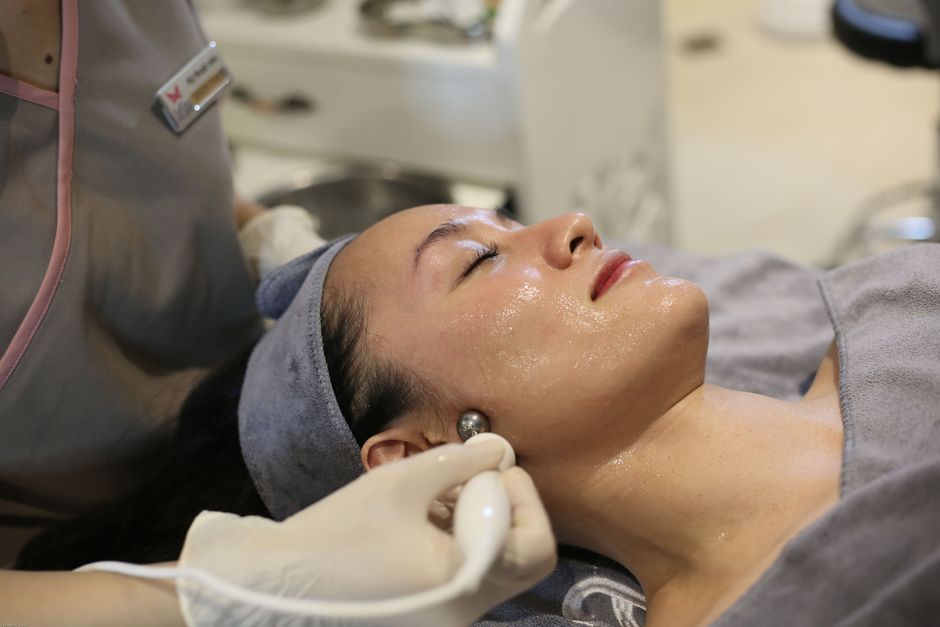
1. Introduction — Why Thermage Is Everywhere in Korean Clinics Right Now
Korean aesthetic medicine has always been an early adopter. The country’s dense concentration of board-certified dermatologists and plastic surgeons — particularly in Seoul — creates a competitive environment that rewards clinics for staying current. Thermage first arrived in Korean clinics in the mid-2000s, but the launch of the Thermage FLX system (the current fourth-generation platform) reignited interest dramatically. Social media content showing subtle yet visible jawline refinement and under-eye improvement spread rapidly on Korean platforms like KakaoTalk and Naver Blog, then migrated to Instagram and Xiaohongshu (小红书 / RedNote), where Chinese audiences consumed it voraciously.
The cross-border influence works in both directions. Chinese medical tourists — already flocking to Korea for rhinoplasty and skin procedures — began requesting Thermage specifically after seeing Korean celebrity and influencer content. Meanwhile, Korean clinics noticed Chinese competitors offering aggressively priced sessions and responded by emphasising protocol quality and device authenticity as differentiators. The result: a fascinating trans-East-Asian beauty conversation happening in real time, with Thermage at its centre.
Beyond trends, there are structural reasons this procedure resonates in both markets:
- No downtime — critical for busy professionals unwilling to take recovery leave
- Single-session protocol — one long appointment rather than a course of treatments
- Visible but natural-looking results — aligning with the Korean beauty ideal of 자연미 (ja-yeon-mi), or natural beauty
- Applicability across age groups — early adopters in their late 20s for prevention; primary users in their 40s–60s for correction
2. How It Works — The Science, in Plain English
Radiofrequency Energy and the Dermis
Thermage is a monopolar radiofrequency (RF) device. To understand what that means, it helps to picture the architecture of your skin. Beneath the surface (the epidermis) lies the dermis — a dense layer rich in collagen fibres, the protein scaffolding that keeps skin firm, plump, and resilient. From roughly your mid-20s onward, collagen production slows and existing fibres begin to degrade. The result, over years, is skin that gradually loses its tautness: sagging along the jawline, crepe-like texture on the neck, heaviness around the eyes.
Radiofrequency energy addresses this by delivering controlled heat deep into the dermis without damaging the outer skin surface. Here’s the mechanism step by step:
- The RF handpiece is placed on the skin surface. A cooling spray protects the epidermis simultaneously.
- Radiofrequency waves penetrate to the deep dermis and superficial fat layer (reaching 2–4 mm depth or more depending on the tip used).
- Collagen fibres are heated to approximately 65–75°C. At this temperature, collagen fibres contract immediately — this produces the subtle tightening some patients feel and see almost immediately after treatment.
- The controlled thermal injury triggers a wound-healing response. Over the following months, the body produces new collagen to repair and remodel the treated zone — this is the longer-term tightening effect.
What distinguishes Thermage from many competitors is its monopolar delivery (energy travels from the treatment tip through the body to a grounding pad) and its patented vibrating tip, which improves comfort significantly compared to earlier generations. The FLX platform also introduced AccuREP™ technology, which automatically adjusts the energy level of each pulse in real time to maintain optimal tissue temperature.
Korea vs. China: Same Device, Different Protocols?
A legitimate Thermage FLX machine produces the same physics regardless of geography. However, how it is used can vary. Korean clinics have developed detailed treatment protocols — specifying the number of passes, the sequence of energy levels, and the use of complementary treatments on the same day (such as skin boosters or PDRN injections post-Thermage). Chinese clinics, operating at higher volume, may standardise protocols more rigidly. Neither approach is inherently better, but the personalisation level is worth asking about.
Red flag to watch for: If a clinic cannot tell you which generation of Thermage device they use, or cannot show you the device’s serial number and authenticity certificate, consider that a serious concern. Counterfeit RF devices are a documented problem in some markets.
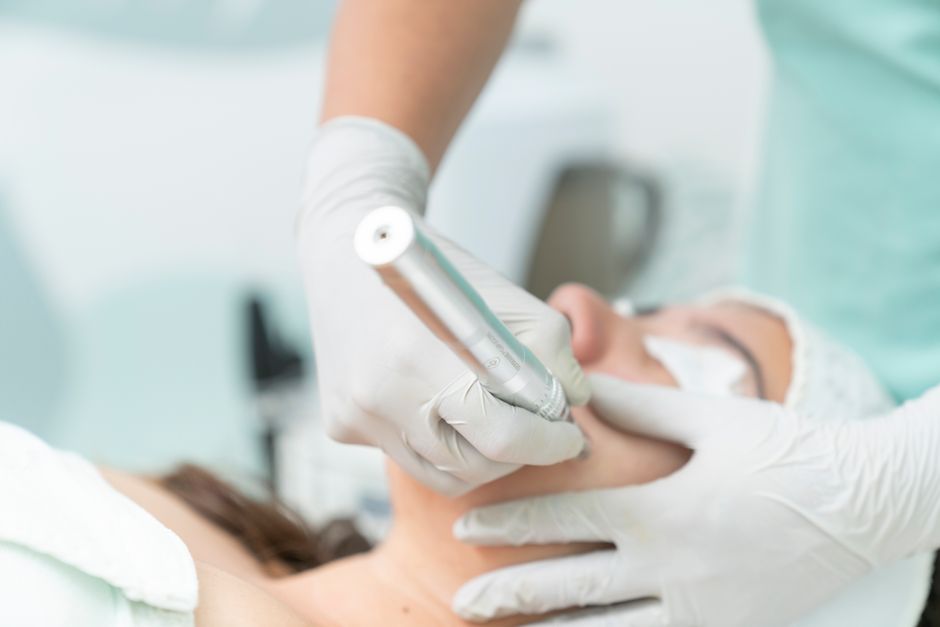
3. Results & Longevity — What to Expect, How Many Sessions, How Long It Lasts
Realistic Expectations
Thermage is not a surgical facelift. Framing it correctly is essential for satisfaction. The procedure may improve skin firmness, refine facial contours, reduce the appearance of fine lines, and improve skin texture — but results tend to be gradual and subtle rather than dramatic. The best candidates approach it as quality skin maintenance rather than a transformation.
| Timeline | What You May Notice |
|---|---|
| Immediately after | Mild redness, slight puffiness; some patients report a subtle tightening sensation |
| 2–4 weeks post | Skin may feel firmer as initial collagen contraction settles |
| 3–6 months post | Peak visible improvement as new collagen remodelling matures |
| 12–18 months post | Results typically begin to gradually diminish as natural ageing continues |
How Many Sessions?
The standard protocol is one session per year. This is a differentiating feature of Thermage — unlike many RF or laser treatments that require monthly courses, a single full-face Thermage session is designed to deliver a year or more of benefit. Some practitioners recommend starting with two sessions in the first year for patients with more advanced laxity, then moving to annual maintenance.
Longevity Factors
- Age: Younger patients with early laxity may see results lasting 18–24 months; older patients with more significant sagging may find effects last 12 months or less before retreatment feels beneficial
- Lifestyle: Sun protection, hydration, and a healthy diet support collagen longevity
- Skin thickness: Thicker, more sebaceous skin (common in some Asian skin types) may respond particularly well
- Energy level used: Higher energy settings may produce longer-lasting effects but require an experienced practitioner to avoid adverse outcomes
4. Who It Suits (and Who Should Skip It)
Good Candidates
- Adults in their late 20s to 60s noticing early to moderate skin laxity
- People with mild-to-moderate sagging around the jawline, cheeks, or neck
- Those seeking non-surgical maintenance between more invasive procedures
- Patients wanting body contouring (Thermage can be used on abdomen, thighs, arms, and knees)
- Those with under-eye crepiness — the eye tip is a specific Thermage application
- Patients who cannot or choose not to have surgery or injectables
Who Should Approach With Caution or Skip
- Severe skin laxity — significant sagging may require surgical intervention for meaningful improvement; Thermage alone is unlikely to be sufficient
- Active skin conditions — rosacea flares, eczema, active acne or open lesions in the treatment area
- Pregnancy or breastfeeding
- Implanted pacemakers or electronic devices — monopolar RF is contraindicated
- Metal implants or plates in or near the treatment area
- History of keloid scarring
- Recent (within 6 months) facial fillers in the treatment area — discuss timing carefully with your practitioner
- Unrealistic expectations — patients expecting surgical-level lifting are likely to be disappointed
A Note on Skin Tone
One reason Thermage has genuine popularity across diverse Asian skin tones is that RF energy is colour-blind — unlike many laser treatments that carry higher risks of pigmentation changes in deeper skin tones (Fitzpatrick types IV–VI), RF does not target melanin. This makes it considerably safer for the full spectrum of East, Southeast Asian, and South Asian skin types when performed correctly.
5. The Procedure Step by Step — Consultation to Aftercare
Before Your Appointment
- Consultation: A thorough skin assessment, medical history review, and discussion of goals. In Korean clinics, this often includes a digital skin analysis with a device like VISIA.
- Patch test: Not universally required but sometimes recommended for sensitive skin types.
- Pre-treatment instructions: Avoid retinoids, AHAs, and exfoliants for 3–5 days prior. Arrive with clean, product-free skin.
- Photography: Before photos are taken — essential for documenting subtle improvements that are otherwise easy to underestimate.
On the Day
- Skin cleansing — all makeup and skincare removed
- Grid application — a temporary treatment grid may be drawn or stamped on the skin to guide systematic coverage
- Topical numbing — a topical anaesthetic cream is applied and left for 30–60 minutes (comfort levels vary widely; some practitioners in Korea use stronger numbing protocols than is common in some other markets)
- Treatment — the practitioner systematically passes the handpiece across the treatment area; each pulse delivers a heat sensation followed immediately by cooling. A full-face session typically takes 45–90 minutes
- Cool-down — gentle cooling and calming skincare is applied post-treatment
- Post-care instruction sheet — reputable clinics provide written aftercare guidance
The Korean Clinic Experience vs. Chinese Clinic Experience
| Aspect | Korea (General Trend) | China (General Trend) |
|---|---|---|
| Consultation depth | Typically detailed; may include digital skin analysis | Variable; high-volume clinics may be briefer |
| Numbing protocol | Often more aggressive numbing for patient comfort | Standard topical; comfort level varies by clinic tier |
| Add-on treatments same day | Common (e.g., skin boosters, PDRN, LED) | Increasingly common in premium clinics |
| Session duration | 60–90 min including numbing time | Often shorter overall; numbing may be briefer |
| Device authenticity verification | Generally reliable in licensed clinics | Requires more due diligence; verify certifications |
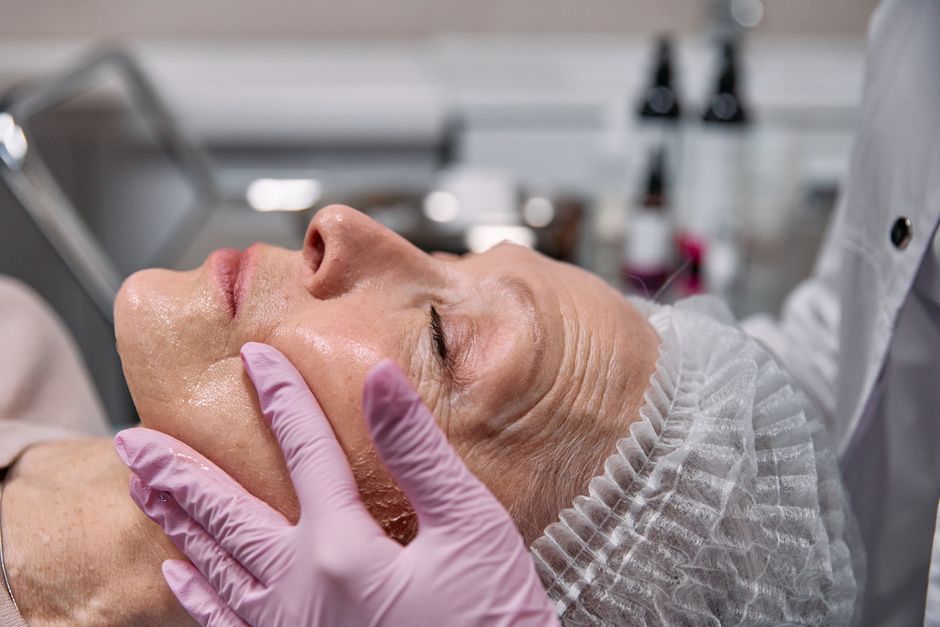
6. Recovery & Precautions — Timeline and What to Avoid
One of Thermage’s major selling points is its minimal downtime — but “minimal” does not mean “zero.” Here is what to realistically expect:
Immediate Post-Treatment (Day 0–3)
- Redness, warmth, and mild puffiness — typically resolving within a few hours to 24 hours
- Skin may feel sensitised and slightly tender to touch
- Most patients return to work and social activities the same day or the following day
First Two Weeks
- Avoid direct sun exposure; apply SPF 50+ daily
- Skip aggressive exfoliants (AHAs, BHAs, retinoids) for 5–7 days
- No saunas, steam rooms, or intense exercise for 48–72 hours (avoid raising skin temperature)
- Keep skin well hydrated with gentle moisturisers
- Avoid facial massage or any treatment that generates heat in the same area for 2 weeks
Ongoing
- Consistent daily SPF use is important — sun damage actively counteracts collagen remodelling
- Some practitioners recommend antioxidant serums (Vitamin C) to support collagen synthesis
- Follow-up photography at 3 and 6 months is valuable for assessing your response
When to Contact Your Practitioner
While serious adverse events are uncommon with properly performed Thermage, contact your provider if you notice:
- Persistent redness or swelling beyond 48 hours
- Blistering or crusting of the skin
- Unusual lumps, bumps, or areas of firmness developing in the weeks after treatment
- Asymmetry that was not present before treatment
7. Typical Price Range
Pricing for Thermage varies considerably based on the treatment area, the tip size used, and the country of treatment. The following ranges are approximate and intended as general orientation only. They do not represent any specific clinic’s pricing and will vary based on your individual assessment and treatment plan.
| Treatment Area | Approx. Range (USD) — Korea | Approx. Range (USD) — China (Tier 1 Cities) |
|---|---|---|
| Full face | $1,500 – $3,500 | $1,200 – $3,000 |
| Face + neck | $2,000 – $4,500 | $1,800 – $4,000 |
| Eyes only (eye tip) | $600 – $1,200 | $500 – $1,000 |
| Body area (e.g., abdomen) | $1,500 – $3,000+ | $1,000 – $2,500+ |
Important pricing notes:
- Prices in both markets have seen pressure from competition, but be cautious of dramatically below-market pricing — it may indicate an older device, counterfeit tips, or reduced pulse counts
- Verify that the quoted price includes the full pulse count appropriate for your face size — some clinics quote a base price that doesn’t include adequate pulses for your treatment area
- Medical tourism to Korea for Thermage may be cost-effective when combined with other procedures, but factor in travel, accommodation, and the impracticality of urgent follow-up care from home
- Some Korean clinics offer package pricing for Thermage combined with complementary treatments such as skin boosters or lifting injections
8. Frequently Asked Questions
Q1: Does Thermage hurt? I’ve heard it can be quite painful.
Pain tolerance varies significantly between individuals, and this is one area where the Korean clinic experience has notably evolved. Older Thermage generations had a reputation for being quite uncomfortable. The FLX platform’s vibrating tip, combined with the topical numbing protocols now standard in most reputable Korean clinics, means most patients describe the sensation as intermittent warmth or a snapping feeling rather than intense pain. That said, bony areas like the forehead, temples, and jawline tend to be more sensitive. If a clinic tells you numbing is unnecessary or unavailable, consider it a flag worth discussing.
Q2: Is one session really enough, or will I need multiple treatments?
The standard protocol is indeed one session, with repeat treatments recommended annually or when results begin to diminish. However, individuals with more significant laxity may benefit from a second session at 6–12 months. Your practitioner should provide personalised guidance based on your starting point and response to the first treatment. Be wary of any clinic that insists on selling you a large package of Thermage sessions upfront — this is not consistent with standard protocol.
Q3: How does Thermage compare to HIFU treatments like Ultherapy or Doublo?
Both Thermage (RF) and HIFU (High-Intensity Focused Ultrasound) technologies aim to stimulate collagen remodelling, but they work differently and reach different depths. HIFU targets the deep dermis and SMAS layer (the muscular facial support layer that surgeons lift during facelifts), while Thermage works primarily in the dermis and superficial fat. In practice, Korean dermatologists often use them complementarily — Thermage for skin texture and superficial tightening; HIFU for deeper structural lifting. They are not direct substitutes, and some practitioners recommend combining both for more comprehensive results.
Q4: I’ve heard about counterfeit Thermage devices in some Asian markets. How do I verify authenticity?
This is a legitimate concern, particularly as the original Thermage tips are proprietary and can only be used a specific number of times. Steps to verify:
- Ask to see the device serial number and request that the practitioner verify it on Solta Medical’s (Thermage’s manufacturer) official channel
- Ask to see the tip packaging opened in front of you — genuine tips have holographic seals and batch numbers
- In Korea, check that the clinic has a valid Ministry of Food and Drug Safety (MFDS) certification for the device
- Ask how many pulses your treatment plan includes — your practitioner should be able to explain this clearly
Q5: Can I combine Thermage with other treatments during the same visit?
Many Korean clinics offer same-day combination protocols. Common pairings include:
- Post-Thermage skin boosters (e.g., Restylane Skinboosters, PDRN injections) — to maximise hydration while the skin is in a receptive state
- LED light therapy — to support recovery and reduce inflammation
- Rejuran (PDRN) injections — popular in Korea for synergistic skin quality improvement
However, treatments that involve significant heat (e.g., laser resurfacing, additional RF) should not be combined on the same day, and any combination should be agreed upon with your treating physician based on your skin condition.
Q6: Will Thermage work on my body as well as my face?
Yes — Thermage has body-specific applicator tips designed for larger surface areas. Treatment of the abdomen (particularly post-pregnancy or after weight loss), inner thighs, upper arms, and knees is relatively common. Body treatments typically require higher total pulse counts and longer session times. Results on body areas may be subtler than facial results, as the skin characteristics differ significantly.
Q7: I’m in my late 20s and don’t have significant sagging. Is Thermage worth it for prevention?
This is a genuinely debated point among dermatologists. Some practitioners advocate for early preventative RF treatment to “bank” collagen before significant loss occurs. Others believe the treatment is best suited to those who already have noticeable laxity to address. If you’re in your late 20s, there may be more cost-effective ways to support collagen — consistent SPF use, retinoids, antioxidant serums, and a healthy lifestyle — before committing to treatment at this price point. That said, if you are in a profession or lifestyle context where maintaining skin quality is a priority, an annual Thermage session from your early 30s is not unreasonable to discuss with a qualified dermatologist.
9. Conclusion — Your Pre-Treatment Checklist
Thermage’s rise from a niche dermatology procedure to a cross-cultural beauty phenomenon spanning Korea and China reflects genuine clinical merit alongside savvy marketing. For international visitors considering the procedure — whether in Seoul, Shanghai, or elsewhere — the fundamentals remain the same: the quality of the practitioner and device matters far more than the geography.
Before you book, work through this checklist:
✅ Pre-Treatment Decision Checklist
- ☐ I have had a thorough in-person or telemedicine consultation with a board-certified dermatologist or plastic surgeon (not just a clinic coordinator)
- ☐ I have confirmed the clinic uses a genuine Thermage FLX device with verifiable serial numbers
- ☐ I understand the number of pulses included in my treatment plan and it is appropriate for my face size and concerns
- ☐ I have realistic expectations — I understand results may be gradual, subtle, and not equivalent to surgical lifting
- ☐ I have disclosed all relevant medical history including implants, medications, previous treatments, and skin conditions
- ☐ I have discussed any fillers or other injectables I have had and the timing relative to Thermage
- ☐ I know the aftercare protocol and have the means to follow it (especially SPF availability and time off intensive exercise)
- ☐ If travelling internationally for treatment, I have a follow-up plan — either with a local dermatologist at home or an extended stay allowing for post-treatment assessment
- ☐ I have received a clear, itemised quote and understand what is and is not included
- ☐ I have taken or arranged before-photos so I can objectively assess results over time
The Korean and Chinese approaches to Thermage each have genuine strengths — Korea’s clinical precision and combination protocol expertise; China’s scale and increasingly competitive premium offerings. What both markets agree on is that this technology, used properly by a skilled practitioner, may improve skin firmness and texture in ways that align with modern aesthetic goals: natural-looking, gradual, and sustainable. The key word, as always in aesthetic medicine, is properly.
Disclaimer: This article is for informational purposes only and is not medical advice. Always consult a board-certified professional before any procedure.