Thermage FLX in Korea: The Science, the Hype, and What to Actually Expect
Walk into almost any dermatology clinic on Seoul’s Apgujeong or Gangnam strip and you’ll see it listed front and centre: 써마지 FLX — known internationally as Thermage FLX. It’s mentioned casually on Korean variety shows, discussed by celebrities in their 50s who credit it for a notably fresher look, and quietly recommended by Korean dermatologists as one of the most clinically substantiated non-invasive skin-tightening options available today. For international visitors planning a skin-care trip to Korea — or simply trying to understand what all the buzz is about — this guide breaks it all down: the real science, realistic expectations, who it’s right for, and how to navigate the process like an informed patient.
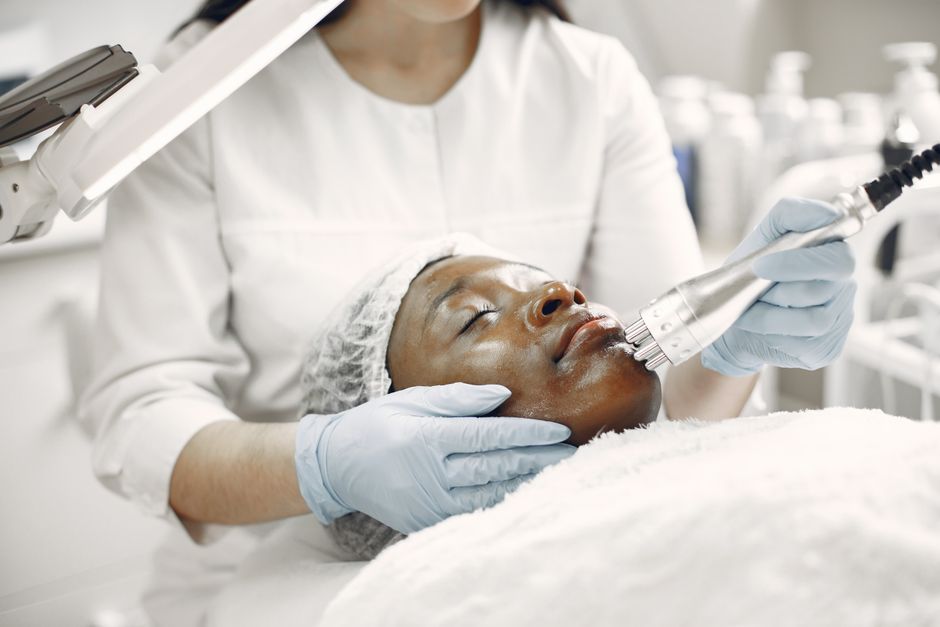
1. Why Thermage FLX Is Everywhere in Korean Clinics Right Now
Korea’s medical aesthetics industry is arguably the most competitive in the world. Clinics live or die by outcomes and word-of-mouth, which means genuinely ineffective treatments don’t survive on menus for long. Thermage has been used in Korean dermatology for well over a decade, but the arrival of the FLX generation — an upgraded platform with a 4th-generation treatment tip and an integrated vibration system to improve patient comfort — gave it renewed momentum.
Several factors explain the current surge in popularity:
- A growing clinical evidence base. Korean dermatologists have been actively contributing to Thermage FLX research. A recent clinical symposium held by one major Korean dermatology network highlighted new data on outcomes across Asian skin types, reinforcing confidence in the platform among practitioners.
- Celebrity visibility. When public figures openly discuss skin procedures — including well-known Korean entertainers in their 50s who’ve attributed visible changes in their skin texture and firmness to Thermage — it normalises the conversation and drives enquiry. Korean variety show appearances where celebrities casually mention combining treatments like Ultherapy and Thermage have made these procedures feel mainstream rather than taboo.
- Zero downtime appeal. In a busy city culture where taking two weeks off for recovery simply isn’t feasible for most people, a procedure with no visible recovery time is enormously attractive.
- Suitability for Asian skin. Unlike some energy-based devices that carry higher risks of post-inflammatory hyperpigmentation on deeper skin tones, Thermage’s radiofrequency mechanism is not light-based, making it generally considered suitable across a wider range of skin tones common in East and Southeast Asia.
2. How Thermage FLX Works — The Science in Plain English
Thermage FLX uses monopolar radiofrequency (RF) energy to heat the deeper layers of your skin from the inside out. Here’s a simple way to understand what that means:
The Collagen Connection
Your skin’s firmness and elasticity depend largely on collagen, a protein that forms a kind of scaffolding in the dermis (the deeper layer of skin beneath the surface). From your mid-20s onward, collagen production slows and existing collagen fibres begin to break down, loosen, and lose their organised structure. This is the biological reason skin gradually loses its snap, develops fine lines, and begins to sag.
Thermage FLX addresses this by delivering controlled RF energy deep into the dermis — typically reaching temperatures between 65°C and 75°C at the treatment depth. At these temperatures, two things happen:
- Immediate collagen contraction: Existing collagen fibres shrink slightly when heated, producing an almost immediate mild tightening effect.
- Neocollagenesis (new collagen formation): The controlled thermal injury triggers the skin’s natural wound-healing response, stimulating fibroblasts (collagen-producing cells) to generate new collagen over the weeks and months following the procedure.
What Makes FLX Different From Earlier Versions?
- AccuREP™ technology: Automatically calibrates the energy delivered with each pulse, adapting in real time to variations in skin thickness and tissue composition.
- Comfort Pulse Technology™: A vibration mechanism built into the handpiece helps reduce the sensation of heat, making the procedure significantly more tolerable than earlier Thermage generations.
- Larger treatment tip: The 4th-generation tip covers more surface area per pulse, reducing treatment time by approximately 25% compared to its predecessor.
Crucially, because RF energy is not light-based, it is not affected by melanin in the skin — which means it does not carry the same risk of pigmentation changes that certain laser treatments can cause on darker skin tones.
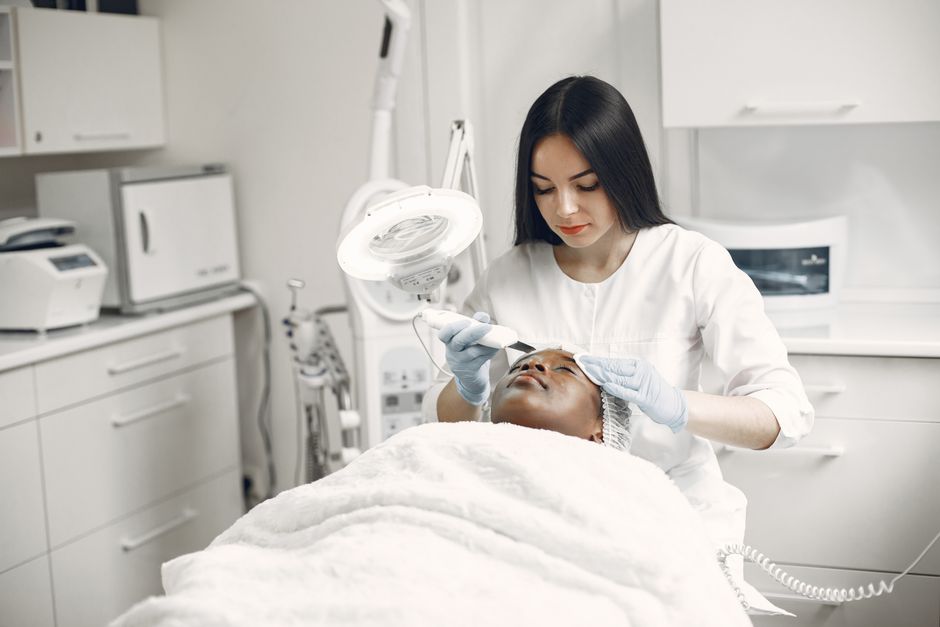
3. Results and Longevity — What You Can Realistically Expect
Managing expectations is perhaps the most important conversation to have before any aesthetic procedure. Here is an honest overview:
Timeline of Results
| Timeframe | What You May Notice |
|---|---|
| Immediately after | Mild initial firmness from immediate collagen contraction; some temporary redness |
| 1–3 months | Gradual improvement in skin firmness and texture as new collagen begins forming |
| 3–6 months | Peak results typically visible; improvements in skin laxity, pore appearance, and overall contour may be noticeable |
| 6–12 months+ | Results may begin to gradually fade as the natural ageing process continues |
How Many Sessions?
Thermage FLX is typically marketed as a single-session treatment, which is part of its appeal. However, results vary considerably based on age, skin condition, lifestyle, and the number of pulses delivered. Some patients — particularly those with more advanced laxity — may benefit from a repeat session after 12–18 months. Your dermatologist should assess this individually rather than applying a one-size-fits-all protocol.
How Long Do Results Last?
Clinical literature generally suggests results may last 1–2 years for suitable candidates, though this varies widely. Factors such as sun exposure, smoking, significant weight fluctuation, and the natural rate of individual ageing all influence longevity.
Honest note: Thermage FLX is not a surgical facelift replacement. It may improve skin firmness, texture, and subtle contour — but it works within the biological limits of your skin. Patients with significant skin laxity may find that surgical options deliver more dramatic correction.
4. Who Thermage FLX Suits — and Who Should Consider Alternatives
Good Candidates
- Adults in their 30s to 60s with early to moderate signs of skin laxity
- Those noticing mild sagging around the jawline, jowls, or under-eye area
- People wanting overall skin texture improvement and pore refinement
- Those who cannot or do not want surgical or injectable options
- All skin tones (the RF mechanism is not melanin-dependent)
- Anyone seeking a no-downtime treatment with a busy schedule
Those Who Should Approach With Caution or Skip It
- Pregnant or breastfeeding individuals — RF energy is not recommended during pregnancy
- People with implanted electronic devices (pacemakers, neurostimulators) in the treatment area
- Those with active skin infections, open wounds, or severe inflammatory skin conditions in the target area
- Individuals with metal implants or fillers containing metallic components near the treatment area (discuss with your doctor)
- Those with very advanced or severe skin laxity who may see limited results and are better served by surgical consultation
- People with unrealistic expectations — this is a gradual, subtle treatment, not an instant transformation
5. The Procedure Step by Step — From Consultation to Walking Out
Step 1: Consultation
A proper consultation with a qualified dermatologist is non-negotiable. The doctor should assess your skin condition, discuss your goals, review your medical history for contraindications, and explain the realistic range of outcomes for your specific case. In Korean clinics, this consultation is typically conducted with the doctor themselves, not a sales representative — if you’re being pushed toward a procedure without a proper medical assessment, that is a red flag.
Step 2: Skin Preparation
Arrive with clean, makeup-free skin. The clinic will typically cleanse your skin, apply a topical numbing cream (usually containing lidocaine), and allow 20–45 minutes for it to take effect. A grid pattern is drawn on the skin to guide even treatment coverage.
Step 3: The Treatment
The doctor or trained technician moves the Thermage FLX handpiece systematically across the treatment area, delivering pulses of RF energy according to the pre-mapped grid. You will likely feel a brief, deep warmth with each pulse — often described as a warming sensation followed by a cooling effect from the device’s cryogen cooling system, which protects the skin surface while heating the deeper layers. The integrated vibration further reduces discomfort. Full-face treatment typically takes 45–90 minutes, depending on the number of pulses chosen.
Step 4: Immediate Aftercare at the Clinic
Post-treatment, the clinic will typically apply soothing or moisturising products. Some mild redness may be visible but usually resolves within a few hours.
6. Recovery and Precautions — What to Avoid and When
One of Thermage FLX’s most cited advantages is its minimal recovery profile. Most patients can return to normal daily activities immediately. That said, there are important precautions:
Immediate Post-Treatment (Days 1–3)
- Skin may feel warm, slightly swollen, or tender — this is normal and typically resolves within 24–72 hours
- Avoid touching, rubbing, or applying pressure to the treated area
- Skip heavy makeup on day one if possible; gentle mineral coverage is generally acceptable after a few hours
- Avoid hot environments: saunas, hot yoga, steam rooms
- Use gentle, fragrance-free skincare products
First Two Weeks
- Strict sun protection is essential — apply broad-spectrum SPF 30 or higher daily
- Avoid prolonged direct sun exposure
- Refrain from other aggressive skin treatments (chemical peels, lasers, microneedling) unless cleared by your doctor
- Stay well hydrated and maintain a gentle skincare routine
Ongoing
- Daily SPF and antioxidant skincare may help maintain and prolong results
- Lifestyle factors such as not smoking and maintaining a stable weight may support collagen health
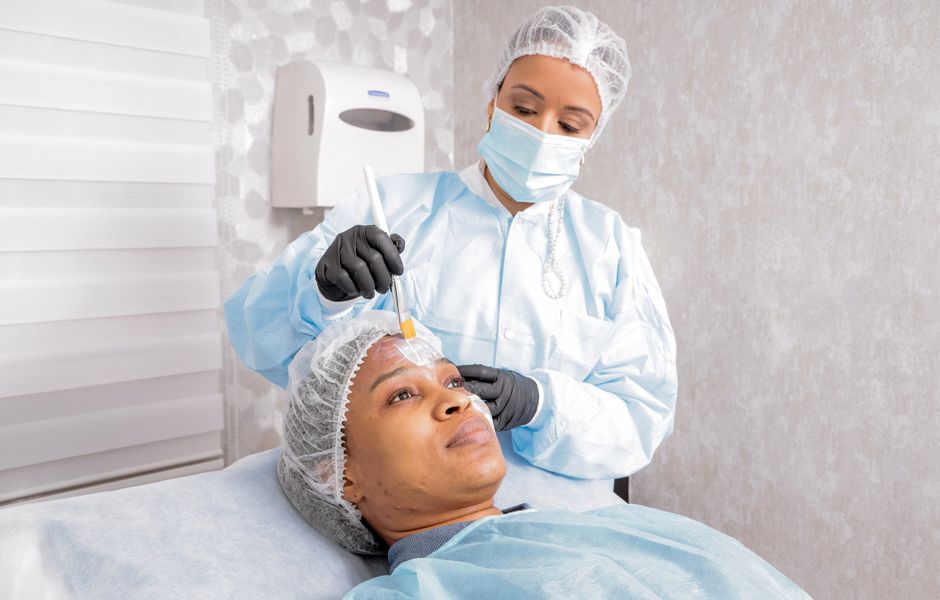
7. Typical Price Range
Thermage FLX pricing varies depending on the treatment area, the number of pulses, the clinic’s location, and the experience level of the practitioner. Prices in Korean dermatology clinics are generally competitive compared to the US, Europe, or Australia — one of the reasons medical aesthetics tourism to Seoul continues to grow.
| Treatment Area | Approximate USD Range (Korea) | Approximate USD Range (US/Australia) |
|---|---|---|
| Full face | $800 – $1,800 USD | $2,000 – $5,000 USD |
| Face + neck | $1,200 – $2,500 USD | $3,000 – $6,500 USD |
| Eyes only | $400 – $900 USD | $1,000 – $2,500 USD |
| Body area (abdomen, arms) | $700 – $1,800 USD | $1,500 – $4,000 USD |
*These are approximate market ranges only. Actual pricing varies by clinic, practitioner, pulse count, and treatment protocol. Always obtain a detailed written quote during your consultation.
What Affects the Price?
- Number of pulses: Thermage pricing is often structured per pulse — more pulses mean deeper coverage but a higher cost. Be cautious of very low-cost offers that may involve a reduced pulse count insufficient for meaningful results.
- Treatment area size: Larger areas or combination zones (face + neck + décolletage) cost more.
- Practitioner qualification: Dermatologist-performed versus technician-performed procedures may be priced differently. In Korea, aesthetic procedures should legally be performed or directly supervised by a licensed medical doctor.
8. Frequently Asked Questions
Q1: Is Thermage FLX painful?
Pain tolerance is highly individual. The FLX generation is considerably more comfortable than earlier versions thanks to the vibration mechanism and improved cooling. Most patients describe the sensation as a series of brief, deep warmth pulses — uncomfortable for some, tolerable for most with topical anaesthetic applied beforehand. If you have a low pain threshold, let your clinic know in advance; some practitioners adjust protocol settings accordingly.
Q2: Can I combine Thermage FLX with other treatments?
Combination approaches are extremely common in Korean dermatology. Thermage FLX (which works primarily in the dermis and subdermis) is often paired with Ultherapy (HIFU), which targets deeper SMAS tissue. Some Korean entertainers have publicly mentioned using this combination. Botox, fillers, and skin boosters are also commonly combined, though the sequencing and timing matters — your dermatologist should advise on what is appropriate for your case. Generally, Thermage is not performed on the same day as other aggressive energy-based treatments in the same area.
Q3: How soon will I see results after one session in Korea?
Don’t expect to fly home with dramatically different skin. The most noticeable improvements typically develop over 3–6 months as new collagen is produced. Some patients notice a subtle initial firmness within the first few weeks, but the full effect is a slow-build process. Plan accordingly if you’re visiting Korea specifically for aesthetic treatments — combining with a second visit or timing for a holiday well in advance of a major event makes more sense.
Q4: Are the results different for Asian skin types?
Korean dermatologists have built a considerable body of clinical experience with Thermage FLX specifically on East and Southeast Asian skin — one reason why Korean clinics often present this as a particular strength. Because the RF mechanism is not light-based, it does not carry the hyperpigmentation risks associated with some laser treatments on deeper skin tones. Clinical data presented at Korean symposia has been examining outcomes specifically in Asian populations, contributing to the growing evidence base for this demographic.
Q5: How do I find a reputable clinic in Korea if I’m visiting as a medical tourist?
This is one of the most important questions to ask. Key pointers include: look for a board-certified dermatologist (피부과 전문의) rather than a general practitioner operating an aesthetic practice; verify the clinic uses authentic, certified Thermage FLX equipment (counterfeit RF devices are an industry concern across Asia); ensure a proper medical consultation — not just a sales pitch — is conducted before treatment; check that the clinic has experience treating international patients and can provide post-procedure guidance in a language you understand; and review whether the clinic has a clear protocol and follow-up process. Korea’s Medical Tourism Association and the Korean Dermatological Association are reasonable starting points for research.
Q6: Is one session really enough, or is that a marketing claim?
The single-session protocol is genuine — Thermage FLX is designed to deliver a full course of treatment in one sitting, unlike some devices that require multiple sessions to accumulate results. That said, “enough” is relative to your starting point and goals. Those with more significant laxity may find a single session delivers modest rather than dramatic change. Many patients choose to repeat treatment every 1–2 years as a maintenance strategy. A dermatologist who recommends multiple sessions close together without clinical justification may be more commercially motivated than clinically sound — worth noting.
Q7: What should I watch out for as a potential red flag when choosing a clinic?
Be cautious if: the consultation is conducted primarily by a non-medical salesperson; the price is dramatically below market range (potentially indicating a lower pulse count or non-genuine equipment); you’re discouraged from asking questions or given vague answers about the equipment being used; there’s high-pressure upselling during consultation; or aftercare instructions are minimal or not provided in writing.
9. Conclusion — Your Checklist Before Deciding
Thermage FLX earns its place on Korean dermatology menus through a combination of solid clinical science, a manageable comfort profile, no downtime, and versatility across skin tones. It is not magic, and it is not surgery — but for the right candidate with realistic expectations, it may meaningfully improve skin firmness, texture, and subtle contour over a period of months.
Before booking, run through this checklist:
- ✅ Have you had a proper consultation with a board-certified dermatologist who has assessed your skin in person?
- ✅ Do you understand the realistic range of outcomes for your specific age, skin type, and degree of laxity?
- ✅ Has the clinic confirmed they are using authentic, certified Thermage FLX equipment — not a generic RF device?
- ✅ Do you know the pulse count included in your quoted treatment, and has the practitioner explained why that number suits your needs?
- ✅ Have you disclosed your full medical history including any implanted devices, medications, or recent procedures?
- ✅ Do you have written aftercare instructions and a contact point for post-procedure questions?
- ✅ Are your expectations calibrated to gradual improvement over months, not an immediate dramatic transformation?
- ✅ Have you budgeted for the realistic price range — and are you cautious of deals that seem too good to be true?
Korea’s dermatology culture is built on precision, innovation, and high patient standards — and Thermage FLX reflects that well. Approach it as an informed patient, ask the right questions, and the experience may be one of the more worthwhile investments in your skin’s long-term health.
Disclaimer: This article is for informational purposes only and is not medical advice. Always consult a board-certified professional before any procedure.