InMode Lifting in Korean Dermatology Clinics: The Science, Results & Everything You Need to Know
Walk into almost any dermatology clinic in Seoul’s Gangnam district — or increasingly, clinics across Busan, Daegu, and beyond — and you’ll spot the same name on the treatment menu: 인모드 리프팅 (InMode Lifting). It sits alongside ultrasound-based Ultherapy and the ever-popular thread lifts, yet it’s carving out its own loyal following, particularly among patients in their 20s to 50s who want meaningful skin-tightening results without going under the knife.
So what exactly is InMode lifting, why has it become such a fixture in K-beauty clinics, and — most importantly — is it right for you? This guide unpacks the science in plain English, sets realistic expectations, and gives you a practical checklist before you book that appointment.
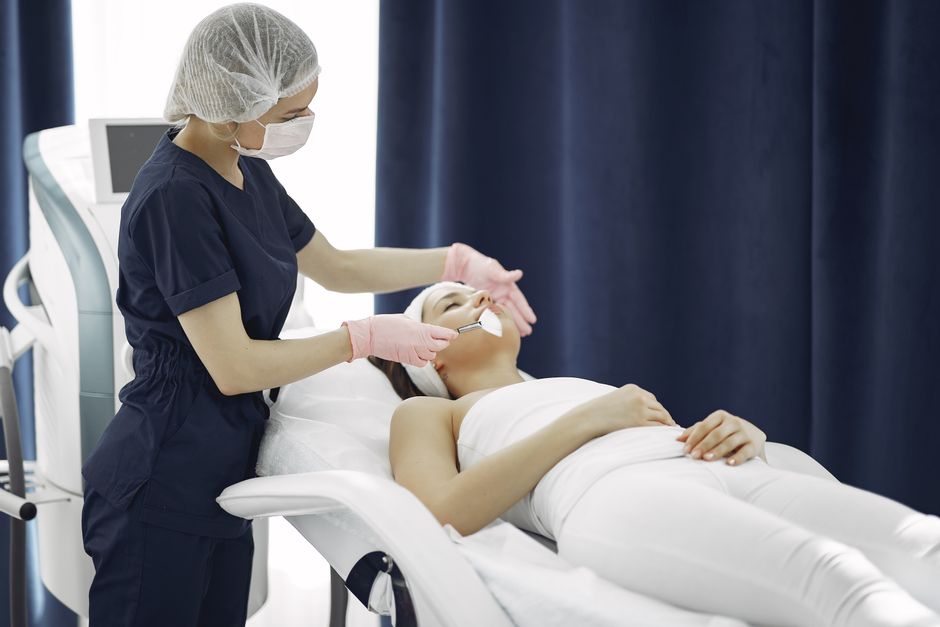
1. Why InMode Lifting Is Everywhere in Korean Clinics Right Now
Korea’s medical aesthetic industry moves fast. Doctors and patients alike are early adopters, and word travels quickly through online communities, beauty forums, and social media. InMode lifting has surged in popularity for several intersecting reasons:
- A younger patient base seeking prevention: According to Korean dermatologists quoted in Health Chosun, clinics are seeing a notable rise in patients in their 20s presenting with early skin laxity — often attributed to stress, weight fluctuation, or simply genetics. They want results without the downtime or commitment of surgery.
- Dual-action technology: InMode devices combine radiofrequency (RF) energy with microneedling or other delivery mechanisms, allowing clinicians to target both the superficial skin layers and deeper structural tissue in a single session.
- Customisability: Korean dermatology culture strongly favours personalised treatment plans (맞춤형 시술). InMode’s modular platform — with applicators like Morpheus8, Forma, BodyTite, and FaceTite — gives doctors the flexibility to tailor each session to a patient’s specific concerns, skin type, and anatomy.
- Relatively accessible price points: Compared to surgical facelifts or even some HIFU (high-intensity focused ultrasound) sessions, InMode treatments are positioned at a price point that many patients find more approachable, contributing to broader uptake.
- Downtime that fits modern life: Most InMode facial protocols involve mild-to-moderate recovery rather than weeks of social downtime, making them compatible with busy professional schedules.
The combination of clinical versatility and patient-friendly positioning has made InMode one of the most-discussed aesthetic technologies in Korean medical circles and beauty media alike.
2. How It Works — The Science in Plain English
The Core Mechanism: Radiofrequency Energy
At the heart of InMode lifting is radiofrequency (RF) energy — a form of electromagnetic energy that generates heat when it passes through biological tissue. Here’s the key principle: collagen contracts and remodels when heated to the right temperature.
Human skin is structurally supported by a protein called collagen, which forms a fibrous scaffold in the dermis (the skin’s middle layer) and in the SMAS (superficial musculoaponeurotic system), the deeper layer responsible for facial contour. As we age, collagen fibres degrade, thin out, and lose their tight, organised structure — contributing to sagging, fine lines, and loss of definition.
When RF energy heats collagen-rich tissue to approximately 40–70°C (depending on the depth targeted), two things happen:
- Immediate collagen contraction: Existing collagen fibres tighten and shorten, producing an instant (though subtle) firming effect.
- Neocollagenesis: The controlled thermal injury triggers the skin’s wound-healing response, stimulating fibroblasts to produce new collagen and elastin over the following weeks and months.
Fractional Microneedle RF (Morpheus8 & Similar Applicators)
The most widely used InMode applicator in Korean clinics for facial lifting is a fractional microneedle RF device. Here’s how it differs from plain RF:
- An array of ultra-fine, insulated gold-coated needles penetrates the skin to a precisely controlled depth (typically 1–4 mm for facial work, though some applicators reach 7 mm for body use).
- RF energy is delivered directly into the dermis and sub-dermal fat layer at the tip of each needle, bypassing the epidermis (outer skin layer) and reducing surface trauma.
- The fractional pattern means only a percentage of skin is directly treated, leaving surrounding tissue intact to accelerate healing.
This targeted delivery allows higher energy levels at depth — where structural change matters most — while keeping surface side effects manageable.
Additional Applicators You May Encounter
| Applicator | Mechanism | Primary Use |
|---|---|---|
| Forma | Non-invasive surface RF (no needles) | Mild skin warming, tone maintenance |
| Morpheus8 | Fractional microneedle RF | Facial lifting, texture, acne scars |
| FaceTite | Minimally invasive RF (tiny incision, sub-dermal probe) | Significant jowl/jawline tightening |
| BodyTite | Minimally invasive RF for body | Body contouring, skin laxity on arms, abdomen |
| Lumecca | Intense Pulsed Light (IPL) | Pigmentation, vascular lesions (often combined) |
Korean clinics often create combination protocols — for instance, Morpheus8 for deep remodelling paired with Forma for surface maintenance, or InMode paired with HIFU for patients with more advanced laxity.
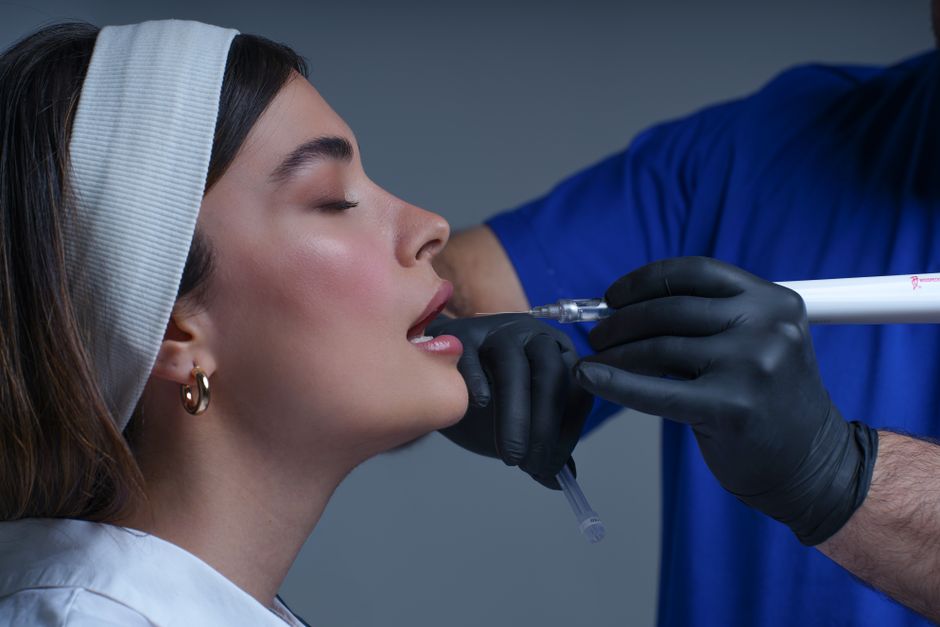
3. Results & Longevity — What to Realistically Expect
Timeline of Changes
Results from InMode RF treatments are gradual — this is a feature, not a flaw. Because the primary mechanism is biological (collagen remodelling), the most significant improvements typically emerge over time:
- Immediately after: Mild swelling and redness may temporarily make skin look plumper. This is not the final result.
- 2–4 weeks: Initial collagen contraction may produce a subtle tightening that patients may notice first.
- 1–3 months: Neocollagenesis is in full swing. Skin firmness and texture improvements may become more visible.
- 3–6 months: Peak improvement is generally observed in this window for most patients.
How Many Sessions?
Korean dermatologists typically recommend:
- Morpheus8 (facial): 1–3 sessions, spaced 4–6 weeks apart, depending on starting condition and goals
- Forma (maintenance): Monthly sessions for 3–6 months, then as-needed
- FaceTite (minimally invasive): Often a single session with longer-lasting effects
As reported in Korean dermatology media, clinicians emphasise that a proper assessment is essential before planning session frequency — age, skin thickness, degree of laxity, and lifestyle factors all influence the recommended protocol.
How Long Do Results Last?
Results may last approximately 1–2 years for non-invasive protocols (Morpheus8, Forma), and potentially longer for minimally invasive procedures like FaceTite. However, longevity varies considerably between individuals. Factors such as sun exposure, smoking, diet, and the natural pace of ageing all influence how long improvements persist. Maintenance sessions are commonly recommended.
4. Who It Suits — And Who Should Skip It
Good Candidates
- Adults in their 20s to 60s experiencing early-to-moderate skin laxity
- Those with mild-to-moderate jowling, nasolabial fold deepening, or loss of jaw definition
- Patients wanting to address skin texture concerns alongside laxity (e.g., enlarged pores, acne scars, rough texture)
- People seeking a non-surgical alternative or a “bridge” before considering surgical options
- Patients in their 20s pursuing preventive treatment before significant laxity develops
- Those with realistic expectations and willingness to allow time for results to develop
Who May Need to Consider Alternatives or Exercise Caution
- Patients with active skin infections, open wounds, or severe inflammatory acne in the treatment area
- Those with metal implants, pacemakers, or cochlear implants (RF energy contraindication — always disclose)
- Pregnant or breastfeeding individuals
- People with very advanced laxity — significant excess skin may respond better to surgical intervention
- Those with certain autoimmune or connective tissue disorders (requires careful medical evaluation)
- Patients with unrealistic expectations — InMode treatments may improve, but cannot replicate surgical facelift outcomes
- Individuals with a history of keloid scarring should discuss risk with their doctor before microneedle RF
Skin tone consideration: One advantage of RF energy (compared to laser or IPL) is that it is generally considered safe across all Fitzpatrick skin types, including the medium-to-deeper tones common among East Asian, Southeast Asian, and South Asian patients. This is one reason InMode has been particularly well-received in Korean clinics. However, individual assessment is always necessary.
5. The Procedure Step by Step — Consultation to Aftercare
Step 1: Initial Consultation
A thorough consultation with a board-certified dermatologist or plastic surgeon is the essential first step. Korean dermatology culture, as highlighted in health media, places significant emphasis on personalised assessment (맞춤형 진단). During this visit, the clinician will:
- Evaluate skin laxity, texture, and overall condition
- Review your medical history and current medications
- Discuss your aesthetic goals and set realistic expectations
- Recommend a specific InMode protocol or combination plan
- Explain risks, side effects, and aftercare requirements
Step 2: Pre-Treatment Preparation
- Numbing cream (topical anaesthetic) is typically applied 30–60 minutes before the procedure to minimise discomfort
- The treatment area is cleansed thoroughly
- Photographs are often taken for before-and-after comparison
- For FaceTite, a local anaesthetic injection is administered
Step 3: The Treatment
- For Morpheus8: The handpiece is pressed against the skin, microneedles penetrate to the set depth, RF energy is delivered in pulses, and the handpiece is moved across the treatment area in a grid pattern. Sessions typically last 20–45 minutes depending on the area treated.
- For Forma: A smooth handpiece is moved over the skin surface in circular motions as RF heats the tissue gradually. Generally painless to mildly warm.
- For FaceTite: A small incision is made (usually hidden in a natural skin fold), a probe is inserted, and bipolar RF energy is delivered between the internal probe and an external electrode simultaneously. Requires more clinical skill and a sterile setting.
Step 4: Immediate Post-Treatment Care
- Cooling or soothing serum/mask applied to calm the skin
- SPF sunscreen applied before leaving the clinic
- Detailed aftercare instructions provided verbally and in writing
6. Recovery & Precautions — What to Avoid and When
| Timeframe | What to Expect | What to Avoid |
|---|---|---|
| Day 1–2 | Redness, warmth, mild swelling; tiny pinpoint marks (Morpheus8) | Makeup, direct sun exposure, touching the face |
| Day 3–5 | Redness subsides; some bronzing or light peeling possible | Exfoliation, retinoids, AHAs/BHAs, active skincare ingredients |
| Week 1–2 | Skin largely recovered for most non-invasive protocols | Saunas, steam rooms, intense exercise (heat-generating), tanning beds |
| Ongoing | Collagen remodelling continues beneath the surface | Unprotected sun exposure — SPF 30+ daily is essential |
Key Aftercare Principles
- Hydrate: Use a gentle, fragrance-free moisturiser to support barrier recovery
- Protect: Broad-spectrum SPF is non-negotiable — UV exposure can impair healing and cause post-inflammatory hyperpigmentation
- Patience: Avoid evaluating results until at least 4–6 weeks post-treatment
- Follow up: Attend any scheduled follow-up appointments; report unusual side effects promptly
FaceTite recovery note: Minimally invasive procedures involve a slightly longer recovery. Patients may experience more pronounced swelling and may be advised to wear a compression garment for several days to a week.
7. Typical Price Range
Pricing in Korean dermatology clinics varies based on the specific applicator used, the size of the treatment area, the number of sessions, and the experience level of the practitioner. The following are approximate USD ranges to help with planning. These are estimates only — actual prices differ by clinic, location, and individual treatment plan.
| Treatment | Approx. Price Range (USD, per session) | Notes |
|---|---|---|
| Morpheus8 (full face) | $400 – $900 | Multiple sessions often recommended |
| Forma (face) | $150 – $350 | Often used as maintenance |
| FaceTite | $1,500 – $3,500+ | Minimally invasive; often single session |
| Combination packages | $600 – $2,500+ | Varies widely by protocol and area |
Practical note for medical tourists: Korean clinics, particularly in Seoul, are known for competitive pricing compared to Western markets for equivalent technology. However, price should never be the sole deciding factor — the practitioner’s qualifications, the clinic’s safety standards, and the quality of consultation matter far more than a discounted rate. Be cautious of significantly below-market pricing.
8. Frequently Asked Questions
Q1: Is InMode lifting painful?
Discomfort levels vary by applicator and individual pain tolerance. Forma is generally described as warm and comfortable. Morpheus8 is more intense — most patients describe it as manageable with topical numbing cream, though some pinching or heat sensation is felt. FaceTite, being minimally invasive, is performed under local anaesthesia to minimise pain during the procedure, though post-procedure soreness is expected.
Q2: Can InMode replace a surgical facelift?
Not directly. InMode treatments may significantly improve skin laxity and firmness, but they work within the limits of non-surgical or minimally invasive technology. For patients with significant excess skin or very advanced sagging, a consultation with a plastic surgeon about surgical options would provide a more complete picture of available approaches. InMode can be an excellent option for those with mild-to-moderate concerns or those not ready for surgery.
Q3: Is InMode safe for all skin tones, including darker skin?
RF-based treatments like InMode are generally considered more skin-tone-inclusive than many laser modalities, because RF energy targets tissue resistance rather than pigment. This makes it a popular choice in Korean clinics and across Asian skin tones. However, individual assessment is always necessary — a qualified clinician should evaluate your specific skin type before proceeding.
Q4: How soon can I wear makeup after Morpheus8?
Most clinicians advise waiting at least 24–48 hours before applying makeup to allow the micro-channels from the needles to close. Some clinics may advise 72 hours. Always follow your specific clinician’s instructions, and use clean, gentle products when you do resume makeup use.
Q5: Can InMode be combined with other treatments?
Yes — and combination approaches are very common in Korean clinics. InMode is frequently paired with HIFU (Ultherapy or similar), filler injections, Botox, or IPL (Lumecca) for comprehensive rejuvenation. The sequencing and intervals between treatments matter clinically, so this should be carefully planned with your practitioner rather than self-directed.
Q6: I’m in my mid-20s with early sagging. Is InMode appropriate for me?
Korean dermatologists have noted a clear trend of younger patients seeking early intervention. For those in their 20s with genuine (not imagined) early laxity, non-invasive RF protocols may be appropriate as a preventive measure. A consultation with a board-certified dermatologist will determine whether treatment is warranted or whether conservative skincare adjustments might be sufficient at this stage.
Q7: What should I look for when choosing a provider in Korea?
Key factors to consider include: board certification in dermatology or plastic surgery, demonstrable experience with the specific InMode device, a consultation that feels thorough and unhurried, transparent communication about realistic outcomes and risks, and a clinic that provides proper aftercare support. Be cautious if a clinic skips consultation formalities, applies pressure to book immediately, or cannot clearly explain the procedure.
9. Conclusion — Your Checklist Before Deciding
InMode lifting represents a genuinely versatile and scientifically grounded approach to non-surgical and minimally invasive skin tightening. Its rise in Korean dermatology clinics reflects both the technology’s adaptability and the Korean aesthetic medicine culture’s emphasis on personalised, evidence-informed care. For the right candidate, it may meaningfully improve skin firmness, texture, and overall appearance — with manageable downtime and without surgical commitment.
But as with any aesthetic procedure, informed decision-making is everything. Use this checklist before booking:
- ☐ Define your goals clearly — be specific about what concerns you (laxity, texture, jawline definition) so your clinician can recommend the most appropriate protocol
- ☐ Verify the practitioner’s credentials — confirm board certification in dermatology or plastic surgery
- ☐ Ask about the specific applicator — Morpheus8, Forma, and FaceTite have meaningfully different profiles; know which one is being recommended and why
- ☐ Request a realistic outcome discussion — a good clinician will show you comparable before-and-after cases and discuss what is achievable for your skin
- ☐ Understand the full cost — clarify whether the quoted price covers one session or a recommended course, and what aftercare products are included
- ☐ Disclose your full medical history — including medications, implants, autoimmune conditions, and history of skin healing issues
- ☐ Plan your schedule — allow for 1–5 days of visible recovery depending on the protocol; don’t schedule treatment immediately before a major event
- ☐ Have a realistic timeline — commit to waiting at least 3 months before evaluating results
- ☐ Plan for sun protection — SPF commitment post-treatment is not optional
- ☐ Get a second opinion if uncertain — especially before minimally invasive procedures like FaceTite
Korean aesthetic medicine’s strength lies not just in the technology it adopts, but in the care with which skilled practitioners tailor it to individual patients. Approached thoughtfully, InMode lifting may be a valuable tool in a well-considered skin health strategy.
Disclaimer: This article is for informational purposes only and is not medical advice. Always consult a board-certified professional before any procedure.