Skin Boosters: The Korean Dermatology Trend That’s Changing How We Think About Hydration
Walk into almost any dermatology clinic on Seoul’s Gangnam district or Sinchon strip today and you’ll spot it on the menu board within seconds: 스킨부스터 (skin booster). Wedged between laser treatments and collagen therapies, skin boosters have quietly become one of the most requested injectable treatments across South Korea — not because of dramatic transformation, but because of something subtler and, for many people, more appealing: skin that looks genuinely healthy.
Unlike fillers that sculpt or toxins that freeze, skin boosters are about restoration from the inside out. The appeal is dewy, luminous, bouncy skin — what Koreans call 물광 피부 (mul-gwang pibu), literally “water-light skin.” If you’ve ever wondered how Korean beauty ideals translated from skincare shelves into a clinic treatment, skin boosters are a big part of that answer.
This guide breaks down everything you need to know — the science, the experience, the realistic expectations, and the practical details — whether you’re curious from afar or actively planning a clinic visit in Korea.
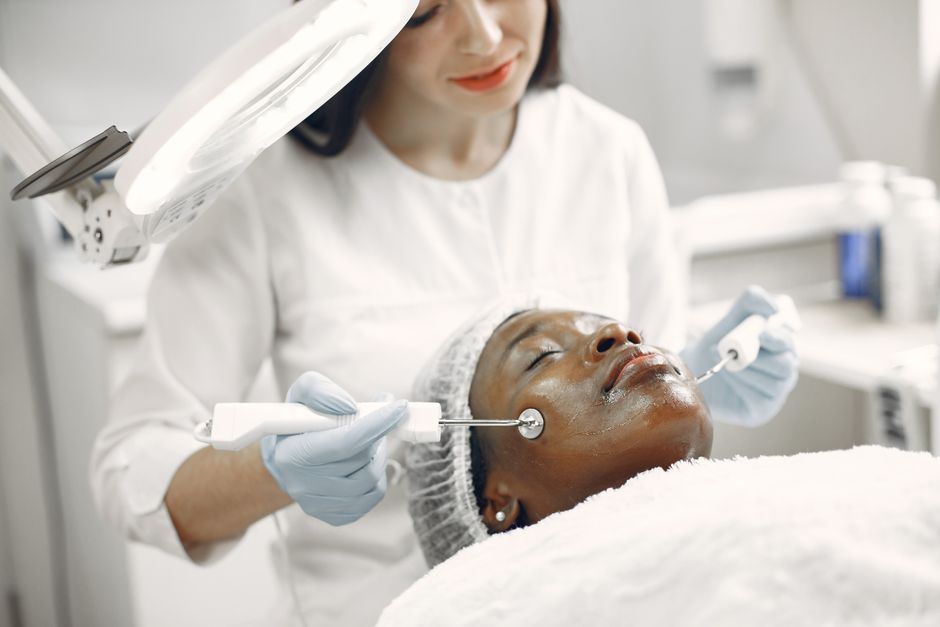
1. Why Skin Boosters Are Everywhere in Korean Clinics Right Now
South Korea’s aesthetic dermatology market is one of the most competitive and innovation-driven in the world. According to reporting from Medical Times Korea (메디칼타임즈), the skin booster segment has become so mainstream that clinics are now competing aggressively on pricing, which has simultaneously made treatments more accessible and sparked regulatory conversations about quality control.
A separate report from Yonhap News highlighted that South Korean health authorities have been reviewing stricter oversight of human-tissue-derived skin booster products and their advertising — a sign not of danger, but of a maturing, rapidly growing market that regulators want to keep safe and transparent.
So what’s driving the boom? Several converging factors:
- The “glass skin” cultural ideal — Korean beauty culture prizes translucency, smoothness, and deep hydration over heavy makeup coverage. Skin boosters align perfectly with this philosophy.
- Minimal downtime — In a busy urban culture, a lunchtime injectable that doesn’t leave you swollen for a week has enormous appeal.
- Accessible price points — As the market has grown, prices have become more competitive, bringing skin boosters within reach of a wider demographic.
- Preventive mindset — Younger Koreans in their late 20s and 30s are increasingly visiting dermatology clinics not to correct aging but to prevent it, and skin boosters fit that proactive approach.
- Customisation potential — As noted in Alpha Economy‘s coverage, Korean dermatologists increasingly emphasise tailored treatment protocols — pairing skin boosters with lifting procedures, collagen boosters, or petit procedures based on individual skin assessment, rather than a one-size-fits-all approach.
2. How Skin Boosters Work — The Science in Plain English
The Core Mechanism
Most skin boosters are based on hyaluronic acid (HA) — a naturally occurring sugar molecule found in your skin, joints, and connective tissue. HA is a humectant, meaning it attracts and binds water molecules. One gram of hyaluronic acid can hold up to six litres of water. The problem is that our natural HA production declines with age, UV exposure, and environmental stress, leading to the dullness, fine lines, and loss of elasticity we associate with tired or aging skin.
Unlike dermal fillers, which use a cross-linked (heavily structured) form of HA to add volume and hold a shape, skin boosters use lightly stabilised or non-cross-linked HA. This softer formulation spreads within the dermis rather than sitting in one place — the goal isn’t to add volume or change contours, but to saturate the skin tissue with moisture and stimulate the skin’s own collagen and elastin production.
Beyond Plain Hyaluronic Acid
The skin booster category has expanded considerably. Modern formulations may include:
| Ingredient | Role in the Skin |
|---|---|
| Hyaluronic Acid (HA) | Deep hydration, moisture retention, mild collagen stimulation |
| Polynucleotides (PDRN / PN) | DNA-repair signalling, anti-inflammatory, tissue regeneration |
| Vitamins (C, B complex) | Brightening, antioxidant protection, metabolic support |
| Amino Acids & Peptides | Building blocks for collagen and elastin synthesis |
| Exosomes | Cell-to-cell signalling, regeneration (newer generation products) |
| Growth Factors | Stimulate fibroblast activity, skin renewal |
Polynucleotide-based products, sometimes marketed as collagen boosters, are particularly popular in Korean clinics and represent the next evolution beyond classic HA skin boosters. They work at a deeper biological level, essentially giving skin cells the raw materials and signals they need to regenerate themselves.
How It’s Delivered
Skin boosters are administered via microinjections into the mid-to-superficial dermis — the layer just below the surface of your skin. Depending on the clinic’s protocol and the product used, delivery may be done by:
- Manual needle injections — precise, point-by-point technique
- Automated injection devices (e.g., Vital Injector, MTS guns) — stamp-style tools that deliver consistent depth and volume across the face
- Microneedle radiofrequency (MRF) combination — some clinics pair boosters with energy devices for enhanced absorption
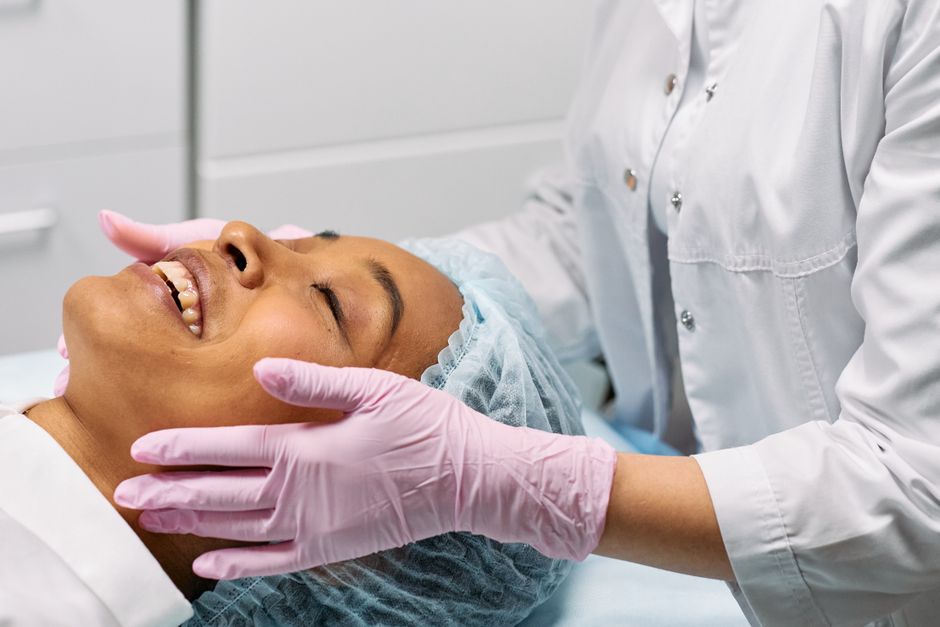
3. Results & Longevity — What to Realistically Expect
What You Might Notice
Managing expectations is everything with skin boosters. These are not dramatic transformation treatments. What they may improve over a course of sessions includes:
- Skin hydration levels and a visible “plumping” of fine lines
- Surface texture — skin may feel smoother and look more refined
- Luminosity and radiance (the coveted 물광 effect)
- Skin elasticity and firmness over time
- Tone evenness, particularly with vitamin-enriched formulations
- Pore appearance — skin may appear tighter and pores less visible
Results are gradual and cumulative. Most people notice initial hydration immediately after the first session, but the more meaningful textural and tonal changes typically develop after a full course of treatment.
Typical Treatment Schedule
| Phase | Sessions | Frequency |
|---|---|---|
| Initial Loading Phase | 3 sessions | Every 3–4 weeks |
| Maintenance Phase | 1–2 sessions per year | Every 4–6 months |
Results from a full loading course may last approximately 6–12 months, depending on the product used, your age, lifestyle factors (sun exposure, smoking, hydration), and your skin’s individual response. Maintenance sessions help sustain the benefits.
4. Who Skin Boosters Suit — And Who Should Skip Them
Good Candidates
- ✅ Adults experiencing early signs of skin dehydration, dullness, or fine lines
- ✅ People with generally healthy skin who want a preventive, maintenance approach
- ✅ Those seeking natural-looking improvement without dramatic change
- ✅ Skin types across the spectrum — dry, oily, combination, and sensitive (though protocol may differ)
- ✅ People in their late 20s onward, particularly those noticing early loss of radiance or texture changes
Who Should Proceed with Caution or Avoid
- ❌ Pregnant or breastfeeding individuals (most injectables are contraindicated)
- ❌ People with active skin infections, open wounds, or inflammatory skin conditions (e.g., active eczema, rosacea flare-up) in the treatment area
- ❌ Those with a known allergy to hyaluronic acid or any product component
- ❌ People with autoimmune conditions — consult your physician first
- ❌ Those on blood thinners — bruising risk is significantly elevated
- ❌ Anyone with unrealistic expectations seeking dramatic structural change — fillers or lifting procedures may be more appropriate
Important note on skin type: Korean dermatologists, as highlighted in the Alpha Economy coverage, strongly emphasise matching the treatment to the individual’s skin condition. A thorough consultation is not optional — it’s foundational. What works for dehydrated, dull skin in a 35-year-old may not be the right first step for someone dealing with active acne or significant volume loss.
5. The Procedure Step by Step
Before You Arrive
- Avoid blood-thinning medications or supplements (aspirin, ibuprofen, fish oil, vitamin E) for at least a week if medically safe to do so — confirm with your prescribing doctor
- Avoid alcohol for 24–48 hours before treatment
- Arrive with clean skin, no makeup
At the Clinic
- Consultation & skin analysis — A good clinic will assess your skin type, concerns, medical history, and recommend a specific product and protocol. In Korean clinics, this often includes a digital skin analysis device.
- Consent & pre-treatment photos — Standard practice for tracking results.
- Topical numbing cream — Applied 20–30 minutes before treatment. This significantly reduces discomfort from the microinjections.
- Cleansing & disinfection — The treatment area is thoroughly cleaned.
- Injection — The practitioner (in Korea, this should be a licensed physician) administers the booster using either manual needles or an automated device across the target zones — typically the full face, though neck and décolleté can also be treated.
- Post-treatment soothing — A calming mask, cold compress, or LED light therapy is commonly applied afterward to reduce redness and inflammation.
- Aftercare briefing — You’ll receive instructions for the next 24–72 hours.
Total time in clinic: Approximately 60–90 minutes, with the actual injection portion taking 20–30 minutes.
6. Recovery & Precautions — What to Expect After
Immediate Aftermath (0–24 hours)
- Small bumps or papules at injection sites — normal and typically resolve within a few hours to a day
- Mild redness, similar to a light sunburn
- Possible minor bruising, especially around more delicate areas
- Skin may feel slightly tender to touch
First 48–72 Hours
- Avoid touching, rubbing, or pressing the treated area
- No intense exercise, saunas, hot baths, or steam rooms (heat increases inflammation and swelling)
- Keep skin gently cleansed and well moisturised
- Broad-spectrum SPF 50 sunscreen is non-negotiable — and this should become a daily habit
- Avoid applying heavy active ingredients (retinols, acids, strong vitamin C) for at least 3–5 days
- No alcohol
One Week Onward
Most people return to their normal skincare routine within 5–7 days. The skin typically looks its best around 2–4 weeks after each session as the hydration fully integrates and any mild initial inflammation settles completely.
Red Flags — When to Contact Your Clinic
- Persistent swelling, hard lumps, or pain beyond 72 hours
- Signs of infection: increasing redness, warmth, discharge
- Skin discolouration or vascular changes
- Severe allergic reaction symptoms
7. Typical Price Range
Pricing for skin boosters in South Korea varies considerably based on the product brand, clinic tier, practitioner experience, number of vials used, and geographic location. No specific clinic prices are quoted here, as they vary and change frequently.
As a general orientation for international visitors:
| Treatment Type | Approximate USD Range (per session) |
|---|---|
| Classic HA Skin Booster (e.g., Restylane Vital, Juvederm Hydrate) | $150 – $400 |
| Polynucleotide / PDRN Booster | $100 – $350 |
| Premium / Exosome-based Boosters | $300 – $700+ |
| Combination Package (3-session loading course) | $400 – $1,000+ |
⚠️ A note on suspiciously low prices: As the Medical Times Korea reporting highlighted, aggressive price-dumping competition in the Korean skin booster market has created quality variance. If a price seems significantly below the ranges above, ask specific questions about product authenticity, practitioner qualifications, and what exactly is included in the session.
Practical tips for international visitors pricing clinics in Korea:
- Request an itemised breakdown — product brand, volume (ml), number of injections
- Confirm the practitioner administering is a licensed physician (의사), not a non-physician staff member
- Be wary of high-pressure upselling during consultations
- Check that the clinic is registered with the Korean Ministry of Health and Welfare
8. Frequently Asked Questions
Q1: Is a skin booster the same as a filler?
No — and this is one of the most common points of confusion. Dermal fillers use heavily cross-linked HA designed to add volume and hold a structural shape (think: cheek augmentation or lip filling). Skin boosters use a much softer, lightly stabilised or free-flowing HA that disperses evenly through the dermis to hydrate tissue and stimulate collagen. They are not designed to change your facial contours.
Q2: Does it hurt?
With topical numbing cream applied beforehand, most people describe the sensation as mild — a series of tiny pinpricks. Sensitivity varies by area (the area around lips and nose tends to be more sensitive) and by individual pain tolerance. The automated injection devices used in many Korean clinics may feel more uniform and comfortable than manual needles for some people.
Q3: How soon will I see results?
Initial hydration and a subtle plumping effect may be noticeable quite soon after the first session. However, meaningful improvements in texture, luminosity, and skin quality typically become more apparent 2–4 weeks after each session and continue to build throughout the loading course. Patience is key — this is a gradual enhancement, not an overnight transformation.
Q4: Can I combine a skin booster with other treatments?
Yes, and Korean clinics often recommend this. Skin boosters are commonly combined with laser treatments, lifting procedures, or vitamin injections as part of a comprehensive skin plan — though typically not all on the same day. The Alpha Economy coverage specifically noted that customised combination protocols based on individual skin assessment are a hallmark of quality Korean dermatology. Always let your practitioner know every treatment you’re considering so they can sequence safely.
Q5: Are skin boosters safe for darker skin tones?
Generally yes, and this is one area where skin boosters have an advantage over some laser and energy-based treatments, which carry higher risks of post-inflammatory hyperpigmentation (PIH) for deeper skin tones. However, individual assessment is always important, and any injectable carries some bruising risk regardless of skin tone. Discuss your skin tone and history of hyperpigmentation with your practitioner before proceeding.
Q6: I’m visiting Korea for one week. Can I get a full treatment course?
A loading course of three sessions is typically spaced 3–4 weeks apart, so it’s not possible to complete a full initial course in a single short trip. However, many international visitors choose to receive one or two sessions while in Korea and then continue with a local provider or at subsequent visits. If time is limited, discuss your timeline during consultation — your practitioner can advise on the most realistic protocol.
Q7: What’s the difference between a skin booster and a “collagen booster”?
The terms are sometimes used interchangeably in marketing, which can be confusing. In Korean clinics, “collagen boosters” most commonly refer to polynucleotide (PDRN/PN) based injectables, which work by stimulating fibroblasts — the cells that produce collagen and elastin. Classic HA skin boosters also have some collagen-stimulating effect, but polynucleotide products are designed more specifically for regeneration and repair. Your dermatologist can advise which formulation best addresses your specific concerns.
9. Conclusion — Your Checklist Before Deciding
Skin boosters represent a genuinely interesting evolution in aesthetic dermatology: an injectable treatment focused on skin health rather than structural change, aligned closely with the Korean skincare philosophy of investing in your skin’s fundamental condition. For the right candidate with realistic expectations, they may offer meaningful improvements in hydration, luminosity, and texture over a course of sessions.
Before you book, work through this checklist:
✅ Pre-Treatment Decision Checklist
- ☐ I understand skin boosters improve hydration and luminosity gradually — they are not volume fillers or instant transformations
- ☐ I have researched whether I have any contraindications (pregnancy, autoimmune conditions, allergies, blood thinners)
- ☐ I plan to have a thorough in-person consultation before committing to treatment
- ☐ I will confirm the practitioner is a licensed physician
- ☐ I will ask specifically what product is being used, what volume, and what the brand/regulatory status is
- ☐ I am not choosing a clinic based on price alone — I understand the risks of very low-cost providers
- ☐ I have realistic expectations: improvements may be visible, but results vary by individual
- ☐ I am committed to sun protection before and after treatment
- ☐ If visiting Korea for a short stay, I have discussed my timeline with my practitioner
- ☐ I know the red-flag symptoms that would prompt me to contact the clinic after treatment
K-beauty’s influence on global dermatology is only growing, and treatments like skin boosters offer a compelling window into a philosophy that prioritises skin health as its own reward. With the right preparation, professional guidance, and realistic expectations, they may be a worthy addition to your skincare journey — whether you’re visiting Seoul or exploring providers closer to home.
Disclaimer: This article is for informational purposes only and is not medical advice. Always consult a board-certified professional before any procedure.