Titanium Lifting: The Korean Dermatology Trend That’s Quietly Reshaping the Anti-Ageing Conversation
If you’ve been scrolling through Korean beauty forums lately, or following influencers who document their clinic visits in Seoul, you’ve almost certainly seen the phrase 티타늄리프팅 (Titanium Lifting) pop up — sometimes alongside before-and-after photos that look almost too good to be casual snapshots. This is not another fleeting K-beauty fad. According to multiple Korean dermatology news sources reporting on 2025–2026 clinic trends, Titanium Lifting has firmly established itself alongside laser resurfacing and collagen-booster injectables as one of the cornerstone treatments Korean practitioners are recommending for patients seeking non-surgical skin tightening and rejuvenation.
But what exactly is it? How does it work? And is it the right treatment for you if you’re planning a skin clinic visit in Korea — or hoping to find it closer to home? This guide breaks it all down, from the science to the practicalities, so you can walk into any consultation feeling genuinely informed.
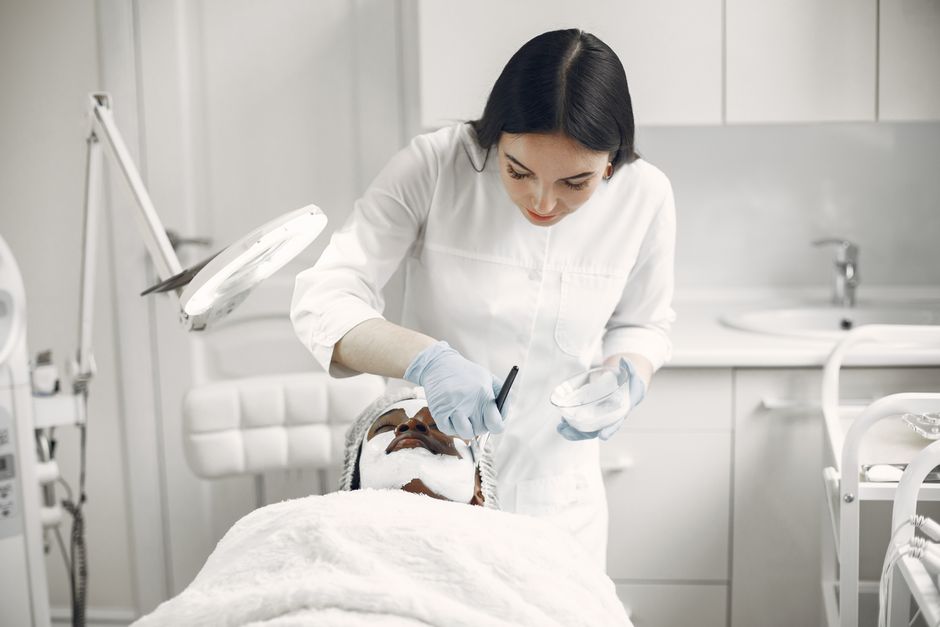
1. Why Titanium Lifting Is Everywhere in Korean Clinics Right Now
Korean dermatology has always operated on a principle of layered, multi-modal skin care — the idea that combining targeted technologies produces far better outcomes than any single treatment alone. Over the past two years, a noticeable shift has occurred in what patients are requesting: they want lifting and volume restoration, not just surface-level brightening or pore refinement.
Several factors explain why Titanium Lifting specifically is trending:
- Minimal downtime: In a culture where many clinic-goers are working professionals, treatments that allow a return to normal activity within a day or two have a significant advantage over more invasive options.
- Visible cumulative results: Korean patients and practitioners alike value treatments that deliver both an immediate effect and longer-term structural improvement — Titanium Lifting is reported to offer both.
- Celebrity and influencer visibility: High-profile cases — including popular Korean YouTuber Kwak Tube (곽튜브), whose pre-wedding “trio of treatments” was widely covered in Korean health media — have brought significant public attention to this category of procedure.
- Compatibility with combination protocols: Korean dermatologists frequently pair Titanium Lifting with treatments like Ultherapy, HIFU, Rejuran, or polynucleotide (PDRN) injections. Its ability to complement rather than conflict with other modalities makes it a versatile building block in a clinic’s treatment menu.
Korean health outlets including Medi Consumer News (메디소비자뉴스) and Pharmnews have flagged it as a headline recommendation heading into 2026 — which means demand is likely to continue rising, both domestically and among medical tourists.
2. How It Works: The Science, in Plain English
Titanium Lifting is a form of radiofrequency (RF) microneedling — but with a specific and important distinction from standard RF microneedling devices. The needles used in Titanium Lifting are coated with, or constructed from, titanium, a biocompatible metal prized in medical applications for its strength, corrosion resistance, and minimal reactivity with human tissue.
What happens beneath the skin?
Here’s the core mechanism, step by step:
- Micro-puncture stimulation: Ultra-fine titanium-tipped needles penetrate the skin to a precisely controlled depth (typically between 0.5mm and 3.5mm, adjusted by the practitioner based on the treatment zone and patient concern).
- Radiofrequency energy delivery: At the tip of each needle, radiofrequency energy is discharged directly into the dermis and, in some protocols, the sub-dermal layer. Because the energy is delivered at the needle tip rather than through the skin’s surface, the epidermis is largely spared — a key advantage over older surface-based RF treatments.
- Controlled thermal injury: The heat generated creates microscopic zones of controlled thermal damage in the deeper skin layers. This sounds alarming, but it’s actually the key to results: the body reads these micro-injuries as a signal to begin a healing cascade.
- Collagen and elastin remodelling: The healing response triggers fibroblast activation — the cells responsible for producing collagen and elastin. Over weeks and months following treatment, new collagen fibres are laid down, existing fibres reorganise, and the overall structure of the dermis becomes denser and more resilient.
- Tissue contraction: The immediate heat effect also causes existing collagen fibres to contract slightly, which may produce a subtle tightening visible shortly after treatment.
Why titanium specifically?
The titanium coating or construction of the needles serves several purposes. Titanium is less likely to trigger inflammatory reactions compared to some other metals, it maintains precision at the microscale, and it allows consistent RF energy transmission. Some device variations also incorporate insulated needle shafts, which means RF energy is only released at the very tip — protecting the upper layers of skin and reducing surface irritation and post-procedure redness.
Types and device variations
As with many popular Korean clinic treatments, “Titanium Lifting” is not a single branded device but rather a category that includes several devices operating on similar principles. Korean Pharmnews reporting notes that treatments in this category can vary in:
- Needle count (single-needle vs. multi-needle arrays)
- Penetration depth range
- RF frequency and intensity settings
- Whether the system is monopolar, bipolar, or multipolar RF
Each variation may suit different concerns or skin types, which is why a thorough consultation with a practitioner is essential — more on that below.
3. Results & Longevity: What to Realistically Expect
Managing expectations is perhaps the most important service a good columnist — or a good clinician — can provide. Here is an honest picture of what Titanium Lifting may offer:
Potential improvements
- May improve skin firmness and elasticity over time
- May reduce the appearance of enlarged pores
- May improve mild-to-moderate skin laxity in the lower face, jawline, and neck
- May soften the appearance of fine lines and superficial wrinkles
- May improve skin texture and overall surface smoothness
- May help reduce acne scarring in some patients (particularly atrophic/depressed scarring)
Timeline
| Timeframe | What You May Notice |
|---|---|
| Immediately after | Mild redness, slight swelling; skin may feel warm and slightly tight |
| 1–3 days | Redness and swelling subside; skin may feel dry or slightly rough |
| 2–4 weeks | Initial collagen stimulation underway; some patients notice early improvement in texture |
| 1–3 months | Peak results typically begin to emerge as new collagen matures |
| 6–12 months | Continued improvement; maintenance sessions may be recommended |
How many sessions?
Most Korean practitioners recommend an initial course of 3 to 4 sessions, spaced approximately 4 to 6 weeks apart. Patients with more significant skin laxity or scarring concerns may need additional sessions. Maintenance treatments every 6 to 12 months are commonly suggested to sustain results.
How long do results last?
Results are not permanent — no non-surgical treatment is. The collagen remodelling effect may last anywhere from 12 to 24 months before the natural ageing process begins to diminish the improvement. Lifestyle factors including sun protection, hydration, and avoiding smoking all influence how long results are maintained.
4. Who It Suits — and Who Should Skip It
Good candidates may include people who:
- Are experiencing early to moderate skin laxity (mild sagging at the jawline, neck, or cheeks)
- Have enlarged pores or uneven skin texture
- Want to improve the appearance of atrophic acne scars
- Prefer non-surgical options with manageable downtime
- Are in generally good health with realistic expectations
- Have skin types ranging from fair to medium-dark (the insulated needle design reduces risk of post-inflammatory hyperpigmentation compared to surface-based treatments)
People who should approach with caution or avoid:
- Those with active acne breakouts or skin infections in the treatment area
- Individuals with metal implants or pacemakers (RF-based treatments are generally contraindicated)
- People with keloid scarring tendencies — needling-based procedures may stimulate excess scar formation
- Pregnant or breastfeeding individuals
- Those with certain autoimmune or inflammatory skin conditions — always disclose your full medical history
- Individuals on blood-thinning medications (bruising risk increases; discuss with your prescribing doctor)
- Those with very severe skin laxity — significant sagging may be better addressed with surgical options; a qualified practitioner should honestly advise when a non-surgical treatment is unlikely to deliver meaningful results
⚠️ Red flag to watch for: Any clinic that suggests Titanium Lifting will produce results equivalent to a surgical facelift is overpromising. It is a meaningful non-surgical option with real benefits — but it works within a different scope than surgery.
5. The Procedure: Step by Step
Step 1: Consultation
A thorough consultation should cover your skin concerns, medical history, current medications, skin type, and what you realistically hope to achieve. The practitioner should assess whether Titanium Lifting is appropriate for you individually, and whether a combination protocol (e.g., paired with HIFU or collagen boosters) might better serve your goals.
Step 2: Skin preparation
The treatment area is cleansed thoroughly to remove makeup, sunscreen, and surface oils. Photographs are typically taken to document baseline condition.
Step 3: Topical anaesthetic application
A topical numbing cream is applied to the treatment area and left for approximately 30 to 60 minutes. This significantly reduces discomfort during the procedure. Most patients describe the sensation during treatment as mild pressure or warmth rather than sharp pain, though individual tolerance varies.
Step 4: The treatment itself
The practitioner passes the handpiece systematically over the treatment zones. Each pulse delivers the titanium needle penetration and RF energy burst in rapid succession. A full-face treatment typically takes 20 to 40 minutes. Practitioners adjust depth and energy settings in real time based on the area being treated (e.g., shallower around the eye area, deeper over cheeks or jowls).
Step 5: Immediate aftercare at the clinic
A soothing mask, sheet mask, or calming serum is typically applied immediately after treatment to reduce redness and support the skin barrier. LED light therapy is sometimes added to support healing.
Step 6: Aftercare guidance and follow-up
You’ll receive instructions for home care and a recommended follow-up schedule. Keep these instructions — they matter significantly for results and comfort.
6. Recovery & Precautions: The Realistic Timeline
What to expect in the 72 hours after treatment:
- Redness and mild swelling (similar in appearance to a mild sunburn) — typically resolves within 24 to 48 hours
- Small pinpoint marks where the needles entered — usually fade within 1 to 3 days
- Skin may feel tight, dry, or slightly sensitive
- Some patients experience minor bruising, particularly if they are prone to it
What to avoid after treatment:
| What to Avoid | Duration | Why |
|---|---|---|
| Direct sun exposure without SPF50+ sunscreen | Ongoing (especially first 2 weeks) | Skin is more vulnerable to UV damage and hyperpigmentation post-treatment |
| Heavy exercise / saunas / steam rooms | First 48–72 hours | Heat and sweat can irritate treated skin and increase infection risk |
| Active skincare ingredients (retinoids, AHAs, BHAs, vitamin C) | First 5–7 days minimum | May cause irritation or compromise healing |
| Makeup on treated areas | First 24–48 hours | Minimises risk of introducing bacteria into micro-channels |
| Alcohol consumption | First 24–48 hours | Can increase swelling and slow healing response |
What to prioritise:
- Gentle, barrier-supporting moisturiser — keep skin hydrated
- Broad-spectrum SPF every single morning, without exception
- Fragrance-free, minimal-ingredient products until skin has fully settled
- Plenty of water and sleep — the body does its best healing work during rest
7. Typical Price Range
Price transparency is important for anyone planning a treatment trip to Korea — or looking for the procedure elsewhere. While prices vary considerably depending on the city, the specific device used, the practitioner’s expertise, and whether the treatment is standalone or part of a package, here are approximate USD ranges to use as a planning benchmark:
| Treatment Scope | Approximate USD Range (per session) |
|---|---|
| Partial face (e.g., lower face / jawline only) | $150 – $350 |
| Full face | $250 – $600 |
| Full face + neck | $350 – $800 |
| Package of 3–4 sessions (full face) | $600 – $1,800+ |
Notes on pricing:
- Korean clinics in major areas (Seoul’s Gangnam district, for example) often offer package pricing that can represent better value than individual sessions.
- Combination packages — Titanium Lifting paired with, say, HIFU or Rejuran — are commonly offered and may affect overall cost.
- Prices in international markets (outside Korea) tend to be higher due to device import and operational cost differences.
- Be cautious of prices that seem dramatically lower than the ranges above — ask detailed questions about the device being used, the practitioner’s qualifications, and what the aftercare protocol includes.
8. Frequently Asked Questions
Q1: Is Titanium Lifting painful?
Most patients describe the sensation as mild pressure or a warm, prickling feeling rather than significant pain, thanks to the topical anaesthetic applied beforehand. Sensitivity varies between individuals and between treatment zones — areas with thinner skin (such as around the forehead or near the nose) tend to be more sensitive. If you have concerns about pain tolerance, discuss this openly during consultation; practitioners can adjust settings and anaesthetic application accordingly.
Q2: How is Titanium Lifting different from regular RF microneedling or HIFU?
All three are energy-based skin-tightening treatments, but they work differently:
- Standard RF microneedling uses fine needles (not necessarily titanium-coated) to deliver RF energy into the dermis. Titanium Lifting specifically uses titanium-tipped needles for improved biocompatibility and precision.
- HIFU (High-Intensity Focused Ultrasound) uses focused ultrasound energy to target the SMAS layer (the muscle fascia beneath the skin) — typically reaching deeper than RF microneedling. The two are often combined in Korean clinic protocols because they target complementary depths.
Q3: Can it be combined with other treatments?
Yes — and in Korean dermatology practice, combination protocols are the norm rather than the exception. Titanium Lifting is commonly paired with HIFU/Ultherapy, collagen booster injections (such as Rejuran or Profhilo-type products), and skin brightening lasers. However, combining treatments should always be done under qualified clinical supervision — more is not always better, and sequencing matters.
Q4: Is it safe for darker skin tones?
The insulated needle design of Titanium Lifting — which delivers RF energy at the needle tip rather than at the skin’s surface — means there is comparatively less risk of post-inflammatory hyperpigmentation (PIH) than with surface-heating laser treatments. This makes it a relatively more accessible option for medium to darker skin tones, though it is not entirely without risk. Always disclose your skin tone and any history of PIH during consultation, and ensure your practitioner has experience treating your skin type.
Q5: How soon can I wear makeup after the treatment?
Most practitioners advise waiting at least 24 to 48 hours before applying makeup to the treated area. This reduces the risk of introducing bacteria into the micro-channels created during treatment. When you do resume makeup, prioritise gentle, non-comedogenic formulas and ensure your brushes and sponges are freshly cleaned.
Q6: Will there be visible downtime? Can I go back to work the next day?
For the majority of patients, Titanium Lifting is considered a low-downtime procedure. Most redness and minor swelling resolves within 24 to 48 hours, and many patients return to work or light activities the following day. That said, if you have a major event or public appearance scheduled, it’s worth allowing a buffer of at least 3 to 5 days, as individual responses vary.
Q7: Can I have this treatment if I’m visiting Korea as a tourist with limited time?
Yes — this is one reason it’s popular with medical tourists. The relatively short recovery window means you can often schedule a treatment early in your trip and be presentable for sightseeing within a couple of days. However, ensure you allow for a proper consultation before booking, and factor in sun protection diligently given that you’ll likely be outdoors exploring. Discuss your travel schedule with your practitioner so they can advise on timing within your trip.
9. Conclusion: Your Checklist Before Deciding
Titanium Lifting represents a genuinely interesting development in non-surgical skin tightening — one that reflects the broader Korean dermatology philosophy of precise, layered, science-backed treatment rather than dramatic interventions. The combination of biocompatible titanium needles, targeted RF energy delivery, and a manageable recovery profile makes it an appealing option for those looking to address early-to-moderate skin laxity, enlarged pores, or texture concerns without surgery.
Before you book, run through this checklist:
✅ Pre-Treatment Checklist
- ☐ Have I had a thorough consultation — not just a brief chat — with a board-certified dermatologist or qualified aesthetic physician?
- ☐ Have I disclosed my full medical history, including current medications and any history of keloid scarring, autoimmune conditions, or skin sensitivities?
- ☐ Have I asked which specific device and settings will be used for my treatment?
- ☐ Have I asked to see examples of results on patients with a similar skin type and concern to mine?
- ☐ Have I understood the realistic range of results — and accepted that outcomes vary between individuals?
- ☐ Am I clear on the full post-treatment care protocol, and can I realistically follow it given my schedule?
- ☐ Have I confirmed the practitioner’s qualifications and experience with this specific treatment category?
- ☐ Have I compared the quoted price to the typical range for the treatment scope — and asked questions if it seems unusually low?
- ☐ Have I planned adequate sun protection for the weeks following treatment?
- ☐ Am I approaching this with realistic expectations — understanding it may improve, but not reverse, the effects of ageing?
Korean dermatology continues to set the pace globally for thoughtful, evidence-informed aesthetic care. Titanium Lifting is a strong example of why — it addresses a real cosmetic concern with a well-reasoned mechanism, sensible recovery expectations, and genuine flexibility within broader treatment plans. Approach it with the same critical, informed perspective you’d bring to any health decision, and it may well earn its place in your own skincare story.
Disclaimer: This article is for informational purposes only and is not medical advice. Always consult a board-certified professional before any procedure.