Lara Peel (라라필): Korea’s Gentle Revolution in Low-Irritation Chemical Peeling
If you’ve been scrolling through Korean beauty forums, clinic Instagram accounts, or the busy threads on Naver Café dedicated to dermatology reviews, you’ve almost certainly seen the phrase 라라필 (Lara Peel) pop up with increasing frequency. It sits in an interesting sweet spot: more effective than a basic enzyme mask, gentler than a traditional TCA or glycolic acid peel, and — crucially — designed to work with, rather than against, sensitive or barrier-compromised skin. For international visitors planning a skin treatment stop on their Korea itinerary, or simply curious readers tracking the next wave of K-beauty innovation, this guide covers everything you need to know.
K-beauty has long been exported on the strength of its philosophy: treat the skin carefully, layer gently, and prioritise long-term barrier health over dramatic short-term results. That same philosophy now shapes what Korean dermatology clinics are offering in their treatment rooms, and Lara Peel is one of the clearest expressions of it.
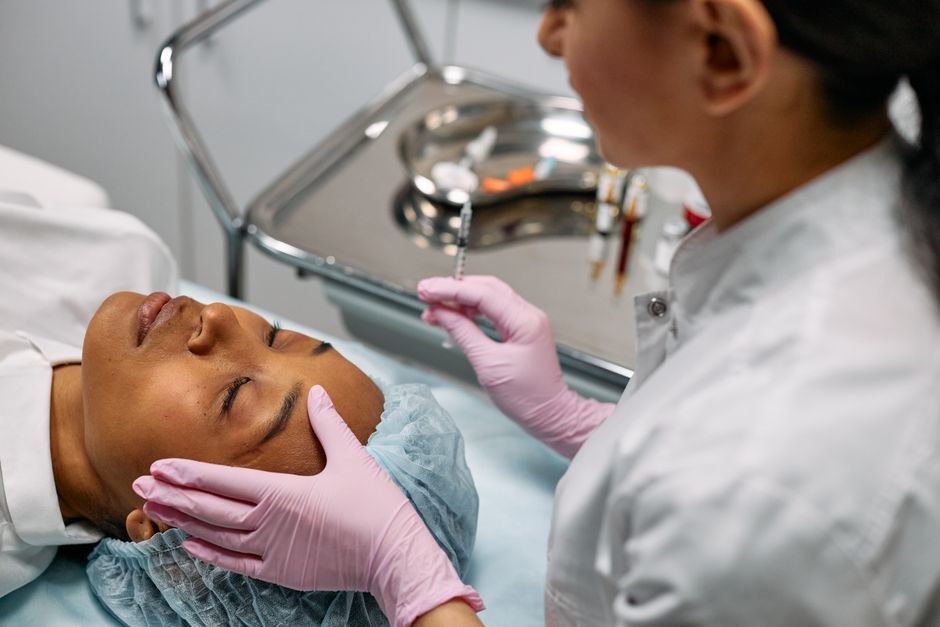
1. Why Lara Peel Is Everywhere in Korean Clinics Right Now
Korean aesthetic medicine has spent the last decade refining its reputation not just domestically but internationally. K-beauty’s influence has extended well beyond skincare products into in-clinic procedures — a fact underscored by the growing number of international clinics and beauty tourism destinations, from Southeast Asia to the Middle East, actively seeking Korean dermatology expertise and technology. (Industry observers have noted that K-beauty’s experiential quality — the feeling of being genuinely cared for — is now itself a competitive export asset, with markets like Dubai and the Gulf region becoming significant growth territories for Korean aesthetic brands and know-how.)
Against this backdrop, the demand for procedures that deliver visible results without the significant downtime or risk of barrier disruption has accelerated sharply. Several trends explain why Lara Peel has landed at exactly the right moment:
- The “skin barrier first” consumer: Post-pandemic skincare education has made patients far more aware of transepidermal water loss, microbiome disruption, and the long-term consequences of aggressive treatments. Patients are asking smarter questions.
- Busy, low-downtime lifestyles: Both Korean clinic regulars and medical tourists want results without weeks of peeling, redness, and social avoidance.
- Rising sensitive skin diagnoses: Air quality concerns, stress, and years of over-exfoliation have left a larger share of clinic visitors with compromised barriers — a population for whom traditional peels were contraindicated.
- Social proof cycles: Korean clinic culture thrives on before-and-after sharing. When a treatment produces consistently photogenic results without the horror-show mid-peel phase, it spreads quickly online.
The result: Lara Peel has become a staple on clinic menus ranging from standalone skin clinics to hospital-affiliated dermatology departments across Seoul, Busan, and beyond.
2. How Lara Peel Works — The Science in Plain English
The Core Principle: Controlled Exfoliation Without Barrier Assault
Traditional chemical peels work by applying an acid — glycolic, salicylic, TCA, Jessner’s solution, or others — at a concentration and pH low enough to induce controlled injury to the skin. The skin responds by shedding damaged outer layers and accelerating cellular turnover. Effective? Yes. But for sensitive, rosacea-prone, or barrier-damaged skin, the inflammatory response can exceed what’s therapeutically useful, leading to prolonged redness, post-inflammatory hyperpigmentation (PIH), or even worsening of the condition being treated.
Lara Peel takes a different approach. Rather than forcing rapid, aggressive exfoliation, it uses a multi-acid, low-concentration, pH-optimised formulation designed to:
- Loosen intercellular bonds in the stratum corneum — the “glue” holding dead skin cells together — gradually and evenly, rather than all at once.
- Minimise the inflammatory cascade by keeping the treatment within a pH range that triggers exfoliation without triggering significant immune-mediated inflammation.
- Support rather than strip the skin’s Natural Moisturising Factor (NMF), the complex of amino acids, lactic acid, and other compounds the skin naturally uses to maintain hydration.
Key Active Ingredients (Typical Formulation Profile)
While exact proprietary formulations vary, Lara Peel products used in Korean clinics typically feature a combination of the following:
| Ingredient Category | Common Examples | Role in the Formula |
|---|---|---|
| Alpha Hydroxy Acids (AHAs) | Lactic acid, mandelic acid | Gentle surface exfoliation; larger molecules penetrate more slowly, reducing irritation risk |
| Beta Hydroxy Acids (BHAs) | Salicylic acid (low %) | Oil-soluble; may help clear congestion in pores without over-drying |
| Polyhydroxy Acids (PHAs) | Gluconolactone, lactobionic acid | Humectant exfoliants; gentlest of the hydroxy acid family, may suit reactive skin |
| Brightening agents | Kojic acid derivatives, vitamin C precursors | May address hyperpigmentation alongside exfoliation |
| Barrier-support actives | Centella asiatica extract, panthenol | Calming, wound-support; characteristic K-beauty “soothe while you treat” approach |
The Delivery Mechanism
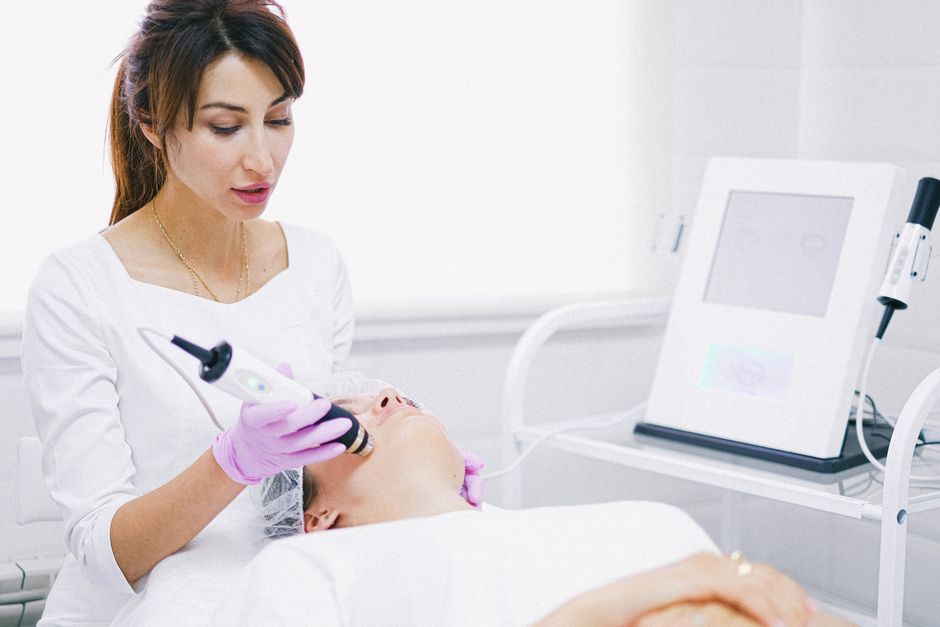
What distinguishes Lara Peel is not just what is in the formula but how it is applied. In-clinic protocols typically involve a multi-step layering approach — sometimes called a “cocktail peel” technique — where the peel solution is applied in thin passes, often under mild occlusion or with ultrasound-assisted penetration, allowing the actives to work at a consistent, controlled depth. This contrasts with the single heavy application of traditional peels and helps explain why the post-treatment redness is typically far less dramatic.
3. Results & Longevity — What to Realistically Expect
What Lara Peel May Improve
- Uneven skin tone and dullness
- Mild to moderate hyperpigmentation and sun spots
- Rough or congested skin texture
- Fine lines related to surface dehydration
- Mild acne and post-acne marks (PIH)
- Overall skin luminosity and “glow”
Important: These are potential outcomes. Results vary significantly depending on your baseline skin condition, lifestyle factors, sun exposure habits, and how consistently you follow aftercare and maintenance protocols. No peel — Lara Peel included — guarantees any specific outcome.
Session Recommendations
| Concern | Typical Recommended Sessions | Session Interval |
|---|---|---|
| General brightening / maintenance | 3–5 sessions | Every 2–4 weeks |
| Mild pigmentation | 4–6 sessions | Every 2–3 weeks |
| Acne-prone / congested skin | 4–6 sessions | Every 2–4 weeks |
| Sensitive skin maintenance | 3–4 sessions per course | Every 3–4 weeks |
How Long Results May Last
After a full course, improvements in tone, texture, and clarity may be noticeable for 2–4 months, depending on your lifestyle and skincare routine. Most Korean dermatologists recommend periodic maintenance sessions (often quarterly) to sustain results. Sun protection between sessions is not optional — it is essential; unprotected UV exposure will undo pigmentation improvements rapidly.
4. Who It Suits — and Who Should Skip It
Good Candidates for Lara Peel
- ✅ Sensitive or reactive skin types who have previously been turned away from traditional peels
- ✅ Fitzpatrick skin types III–V (medium to deeper skin tones), who carry a higher PIH risk with aggressive peels
- ✅ People with mild rosacea (when confirmed stable and cleared by a dermatologist)
- ✅ Those seeking a lunchtime treatment with minimal downtime
- ✅ First-time peel patients who want a gentler introduction to chemical exfoliation
- ✅ Those dealing with post-acne hyperpigmentation on an otherwise stable skin condition
Who Should Approach with Caution or Skip
- ⚠️ Active acne breakouts or open wounds in the treatment area
- ⚠️ Current use of isotretinoin (Accutane) or recent discontinuation (typically a 6-month waiting period is recommended)
- ⚠️ Known allergy to any component in the peel formula — always request an ingredient list
- ⚠️ Pregnant or breastfeeding individuals (check with your OB and dermatologist)
- ⚠️ Recent laser treatments, waxing, or other resurfacing procedures in the same area (allow adequate healing time)
- ⚠️ Active eczema flare-ups or psoriasis in the treatment zone
- ❌ Severe, active inflammatory acne requiring systemic treatment first
5. The Procedure Step by Step — Consultation to Aftercare
Step 1: Consultation
A board-certified dermatologist (피부과 전문의) will assess your skin type, barrier condition, concerns, and medical history. This is where you discuss any current medications, recent procedures, and your goals. Don’t skip this step or allow it to be rushed — it is the most important part of the process.
Step 2: Pre-Treatment Skin Prep (Days to Weeks Before)
Your clinic may advise you to:
- Discontinue retinoids for 3–7 days before treatment
- Avoid exfoliating actives (AHAs, BHAs) for several days prior
- Apply a barrier-strengthening routine in the lead-up period
- Use SPF 50+ daily without exception
Step 3: Cleansing and Skin Preparation
On the day, the treatment area is gently cleansed and degreased to remove any oils, sunscreen residue, or makeup that could interfere with even peel penetration.
Step 4: Peel Application
The Lara Peel solution is applied in controlled passes — usually by a trained aesthetic nurse or dermatologist — using a brush, gauze, or applicator. You may feel a mild tingling sensation, warmth, or very slight stinging. Significant burning or pain should be communicated to the practitioner immediately.
Step 5: Neutralisation or Timer-Based Removal
Depending on the specific product protocol, the peel may be neutralised with a buffering solution or simply removed after a set dwell time. Your practitioner will monitor your skin’s response throughout.
Step 6: Soothing and Barrier Repair Mask
A calming sheet mask, LED light therapy, or cooling gel is often applied immediately post-peel to reduce any residual warmth and begin barrier repair — a hallmark of the thoughtful Korean “treat then soothe” approach.
Step 7: SPF Application and Aftercare Instructions
You’ll leave the clinic with sunscreen applied and a detailed aftercare protocol. Follow it. Your skin’s outcome significantly depends on how well you care for it in the 48–72 hours after treatment.
6. Recovery & Precautions — The Timeline You Need to Know
| Timeframe | What to Expect | What to Avoid |
|---|---|---|
| Day 0–1 | Mild redness, warmth, possible slight tightness. Usually social-downtime-free for most. | Makeup (if possible), active skincare ingredients, heat (saunas, hot showers) |
| Day 2–3 | Skin may feel slightly dry or show very subtle flaking in some cases (gentler than traditional peels) | Picking or rubbing skin, exfoliants, retinoids, alcohol-based toners |
| Day 4–7 | Skin often begins to look clearer, brighter; texture improvements may start to emerge | Prolonged sun exposure without SPF 50+; swimming in chlorinated pools |
| Day 7+ | Most people resume full skincare routine; practitioner review recommended | Reintroduce actives (retinoids, exfoliating acids) only as cleared by your practitioner |
Non-Negotiable Aftercare Rules
- SPF 50+ daily, every day — no exceptions, rain or shine, indoors near windows or outdoors
- Gentle, fragrance-free moisturiser — focus on barrier support: ceramides, hyaluronic acid, centella
- No picking, scratching, or rubbing — if any flaking occurs, let it resolve naturally
- Hydration from within — drinking adequate water supports skin recovery
- Contact your clinic immediately if you notice unexpected severe redness, blistering, or signs of an allergic reaction
7. Typical Price Range
Pricing for Lara Peel treatments in Korean dermatology clinics varies based on the clinic’s location, the practitioner’s credentials, the specific formulation used, and whether the peel is combined with other treatments (such as LED therapy or a hydrating booster). The following ranges are approximate and for general reference only — actual pricing will differ by clinic and treatment protocol.
| Treatment Option | Approximate USD Range (Per Session) |
|---|---|
| Single Lara Peel session (basic) | $60 – $150 USD |
| Lara Peel + LED light therapy combo | $100 – $220 USD |
| Package (4–6 sessions) | $250 – $700 USD (package pricing often offers some discount over per-session rates) |
Note: These are broad, indicative figures only. Always request a detailed quote during your consultation. Be cautious of unusually low pricing that may reflect under-qualified practitioners or diluted formulations.
8. Frequently Asked Questions
Q1: Does Lara Peel hurt?
Most patients describe the sensation as mild tingling or a slight warmth — noticeably more comfortable than traditional acid peels. If you experience significant burning or pain during the procedure, communicate with your practitioner immediately. Discomfort levels also depend on your skin’s current condition and sensitivity baseline.
Q2: Can I have Lara Peel done if I have active acne?
This depends on the nature and severity of your acne. Mild comedonal or papular acne in a stable state may be treatable — your dermatologist will assess. Active, inflamed pustular or cystic acne typically requires treatment (topical or systemic) before any peel is considered appropriate. Never self-assess this; let a qualified dermatologist make the call.
Q3: Is one session enough to see results?
Some patients notice an immediate improvement in luminosity and texture after a single session, particularly for dullness and surface congestion. However, for concerns like hyperpigmentation, a course of sessions typically produces more meaningful and sustained improvement. Think of it as a programme rather than a single event.
Q4: Can I combine Lara Peel with other clinic treatments?
Combination protocols are common in Korean dermatology — for example, pairing a Lara Peel with LED phototherapy or a hydrating booster injection (such as a skin booster or Rejuran-type treatment) in the same clinic visit. However, combinations with more aggressive procedures like fractional laser should typically be spaced out. Your dermatologist will advise on appropriate sequencing.
Q5: I have a darker skin tone — is this peel safe for me?
One of the reasons Lara Peel has gained traction in diverse markets — including Middle Eastern and Southeast Asian skin care communities — is precisely because its lower-irritation profile may reduce the risk of post-inflammatory hyperpigmentation compared to stronger peels. That said, Fitzpatrick skin type assessment is a standard part of your pre-treatment consultation, and your dermatologist should account for your specific tone and any history of PIH.
Q6: How should I prepare if I’m visiting Korea specifically for this treatment?
If you’re a medical tourist, plan your treatment for the early part of your trip, not the final day. Allow at least 2–3 days of low-key activity post-peel before any major events, long-haul flights, or heavy outdoor sightseeing in strong sun. Bring your regular gentle moisturiser and a high-SPF sunscreen from home, and research clinic credentials in advance — look for board-certified dermatologists (피부과 전문의), not just aesthetics studios.
Q7: Will I visibly peel or shed skin?
Unlike TCA or deeper peels, Lara Peel typically produces minimal to no visible peeling for most patients. Some people may notice very subtle dryness or fine flaking around day 2–3, but the dramatic “snake shedding” effect of deeper peels is generally not associated with this treatment. This is part of its appeal for those who cannot afford social downtime.
9. Conclusion — Your Checklist Before Deciding
Lara Peel represents something genuinely interesting in the aesthetic treatment space: a procedure that asks you to be patient with your skin rather than shock it into compliance. In a landscape often driven by dramatic before-and-afters, its results are real but graduated — the kind of improvement that has people asking “you look well, have you been sleeping better?” rather than “what did you have done?”
That said, no treatment is right for everyone, and informed decision-making is always your best protection. Use this checklist before booking:
- ☐ Consult a board-certified dermatologist first — not just an aesthetician or beauty clinic without medical supervision
- ☐ Disclose all current medications, supplements, and recent treatments — especially retinoids, antibiotics, and any recent laser work
- ☐ Ask to see the specific product/formulation being used and request an ingredient list if you have known allergies
- ☐ Discuss your skin tone and PIH history so the practitioner can tailor the protocol accordingly
- ☐ Plan your schedule — ideally allow 48 hours of minimal sun exposure and gentle activity post-treatment
- ☐ Have SPF 50+ ready and committed to before you walk into the clinic — this is non-negotiable for maintaining results
- ☐ Set realistic expectations — this is a skin improvement programme, not a one-session transformation
- ☐ Verify clinic and practitioner credentials — in Korea, look for 피부과 전문의 (board-certified dermatologist) status
- ☐ Understand the full cost including any recommended aftercare products or follow-up visits
- ☐ Know the red flags — unusual burning during the procedure, significant blistering, or severe allergic reactions warrant immediate contact with the clinic
Korean aesthetic medicine’s global influence is built on a foundation of careful, considered skin science paired with genuine attentiveness to how the skin feels, not just how it looks. Lara Peel, at its best, embodies exactly that philosophy. Whether you’re booking a session in Seoul or simply evaluating options closer to home, approaching it with the same thoughtfulness the treatment itself was designed with is the smartest move you can make.
Disclaimer: This article is for informational purposes only and is not medical advice. Always consult a board-certified professional before any procedure.