Potenza RF Microneedling: The Complete Guide to Korea’s Trending Treatment for Pores, Scars & Firmness
If you’ve been scrolling through K-beauty forums, browsing Seoul dermatology clinic menus, or researching skin treatments before a trip to Korea, you’ve almost certainly come across one name: 포텐자 (Potenza). In the past two to three years, this radiofrequency (RF) microneedling device has become one of the most requested procedures at Korean dermatology clinics — and for good reason. It sits at a compelling intersection of science, versatility, and relatively manageable downtime, which makes it appealing to a wide range of patients.
This guide breaks down everything you need to know: the science behind Potenza, realistic expectations about results, who makes a good candidate, what the procedure actually feels like, and how much you might expect to pay. Whether you’re planning a skin treatment trip to Seoul or simply want to understand what all the buzz is about, read on.
Note: This article is informational. It is not medical advice, and individual results vary. Always consult a board-certified dermatologist before undergoing any procedure.
1. Why Is Potenza Everywhere in Korean Clinics Right Now?
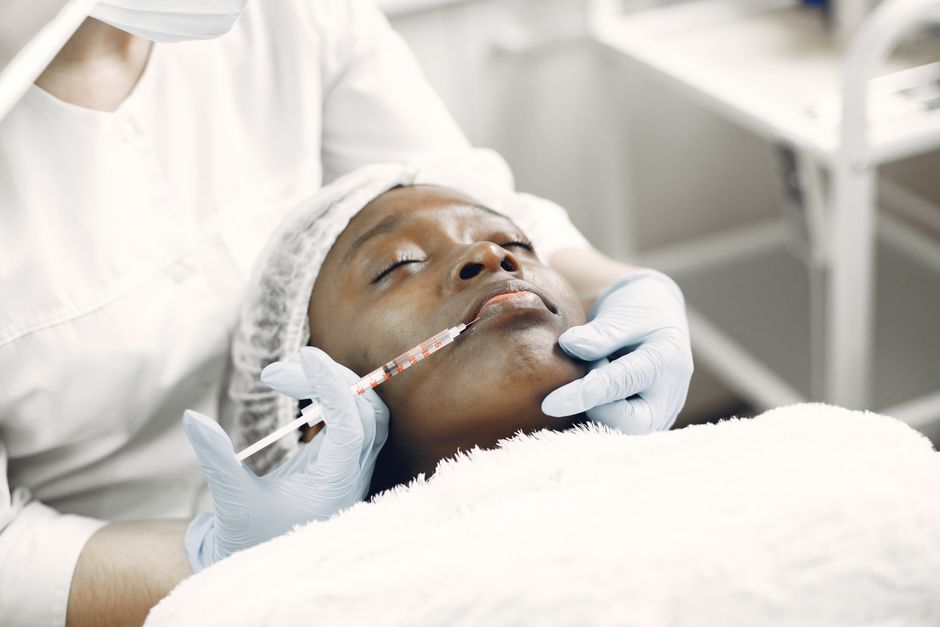
Korean dermatology has long been at the leading edge of aesthetic medicine, and Korean patients tend to be highly informed, research-driven consumers. When a new technology earns their trust, it earns it hard. Potenza — manufactured by Cynosure — gained regulatory clearance and began appearing in premium Korean clinics around 2020–2021. By 2023 and into 2024, it had become a staple treatment, frequently appearing in clinic promotion materials, skincare content creator reviews, and beauty media features.
Several factors explain its rise:
- Versatility: A single device can address pores, acne scars, skin laxity, uneven texture, and early signs of aging — concerns that cut across nearly every skin type.
- Customisability: Clinicians can adjust needle depth, RF energy level, and treatment mode, making it adaptable rather than one-size-fits-all.
- Relatively short downtime: Compared to ablative lasers, many patients experience only a few days of redness and mild swelling — a significant selling point in a culture where people often schedule treatments between work days.
- Safe for darker skin tones: Because the RF energy is delivered into the skin rather than targeting surface pigment, Potenza is generally considered safer for Fitzpatrick skin types IV–VI than many laser-based alternatives — a meaningful advantage given the diversity of patients seeking treatment in Korean clinics.
- Summer compatibility: Unlike ablative lasers, which require strict sun avoidance during peak UV months, RF microneedling can often be performed year-round with appropriate sun protection. This has made it particularly popular as a summer skin management option.
The result? A device that fits neatly into the Korean dermatology philosophy of evidence-based results with practical recovery.
2. How Does Potenza Work? The Science in Plain English
Potenza is a radiofrequency (RF) microneedling device, which means it combines two well-established skin remodelling technologies: microneedling and radiofrequency energy. Understanding each component helps explain why the combination is more powerful than either alone.
Microneedling: Controlled Micro-Injury
Microneedling involves creating thousands of tiny, precisely controlled punctures in the skin using ultra-fine needles. These micro-injuries trigger the skin’s natural wound-healing cascade — specifically, the production of collagen and elastin, the structural proteins responsible for firmness, elasticity, and smooth texture. The needles penetrate to a controlled depth, meaning the dermatologist can target different layers of tissue depending on the concern being treated.
Radiofrequency Energy: Deep Thermal Stimulation
Radiofrequency energy is electromagnetic energy that generates controlled heat within the tissue. When delivered into the deeper layers of skin (the dermis), this thermal energy stimulates further collagen remodelling and can help tighten lax tissue. Crucially, because RF energy acts on tissue regardless of melanin content, it doesn’t carry the pigmentation risks that some light-based treatments do for darker skin tones.
The Potenza Difference: Simultaneous Delivery
What makes Potenza — and RF microneedling as a category — more potent than standard microneedling is that the RF energy is delivered through the needles simultaneously. This means the thermal stimulation happens at the precise depth where the needles have penetrated, rather than at the skin’s surface. The result is deeper, more targeted tissue remodelling.
Potenza specifically offers four tip configurations (monopolar and bipolar modes, each in single and fusion variants) and operates at either 1 MHz or 2 MHz frequency. In simple terms:
- Monopolar mode delivers energy that travels deeper into the dermis and subcutaneous tissue — useful for skin laxity and deeper concerns.
- Bipolar mode delivers energy between two electrodes at a shallower level — suited to surface texture, fine lines, and pore refinement.
Additionally, Potenza features a Tiger Tip — a specialised applicator that can deliver topical boosters (such as hyaluronic acid or growth factor serums) into the micro-channels created by the needles immediately after treatment, maximising absorption of active ingredients.
What Happens Under the Skin
The combined action of mechanical needling and thermal RF energy triggers a multi-phase response:
- Immediate phase: Micro-injuries initiate the inflammatory cascade; skin may appear red and feel warm.
- Proliferative phase (days 1–21): Fibroblasts (collagen-producing cells) are activated; new collagen fibres begin forming.
- Remodelling phase (weeks 3–12+): Collagen matures and reorganises; skin texture, firmness, and pore appearance may gradually improve.
This is why results from Potenza are not immediate — the skin needs time to do its work.
3. Results & Longevity: What to Realistically Expect
Managing expectations is essential with any aesthetic procedure, and Potenza is no exception. Here is an honest breakdown:
What Potenza May Help Improve
- Enlarged or congested pores
- Mild to moderate acne scarring (particularly rolling and boxcar scars)
- Skin laxity and early jowling
- Fine lines and surface wrinkles
- Uneven skin texture and rough skin surface
- Stretch marks (when applied to the body)
- Overall skin radiance and firmness
How Many Sessions?
Most dermatologists recommend a course of 3 to 4 sessions, spaced approximately 4 to 6 weeks apart, for optimal results. Some patients with mild concerns may see satisfying improvement in fewer sessions; those with more pronounced scarring or laxity may benefit from additional treatments or combination approaches.
When Will You See Results?
| Timeframe | What to Expect |
|---|---|
| Immediately after | Redness, mild swelling; skin may feel tight or warm |
| Days 3–7 | Redness fades; skin may look temporarily brighter due to mild peeling |
| Weeks 2–4 | Early texture improvements may become noticeable |
| Month 2–3 | Collagen remodelling peaks; the most visible improvement window |
| Month 3–6 | Results continue to mature; skin firmness and pore refinement may stabilise |
How Long Do Results Last?
Results from a completed Potenza course may last 12 to 24 months before maintenance sessions are typically recommended, though this depends heavily on the individual’s skin condition, lifestyle, sun protection habits, and the natural ageing process. Potenza does not stop ageing — it stimulates the skin’s own repair mechanisms, and those mechanisms continue to work on a biological timeline.
4. Who Is a Good Candidate — and Who Should Skip It?
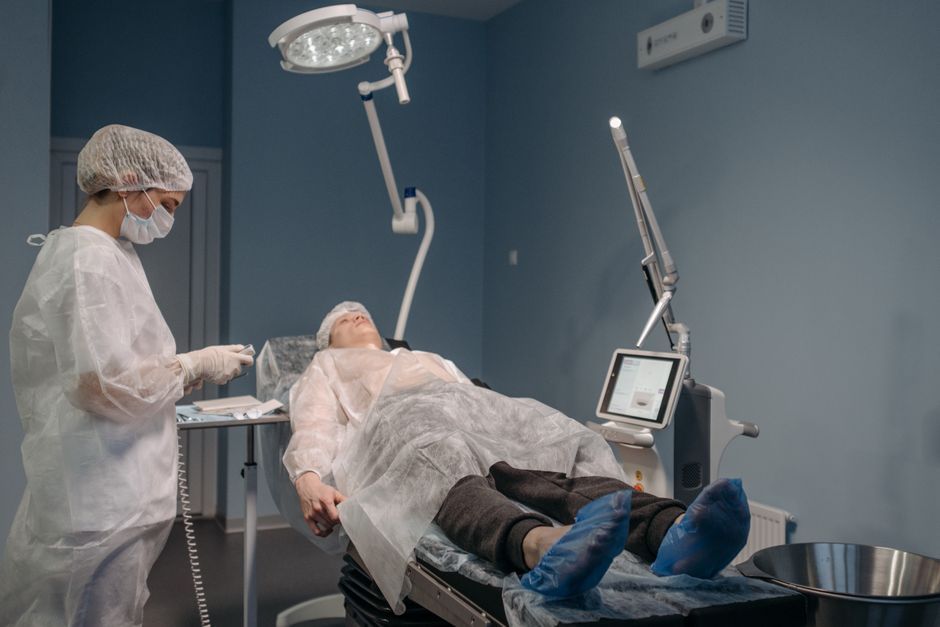
Potenza May Be a Good Fit If You Have:
- Enlarged pores, especially around the nose and cheeks
- Mild to moderate acne scarring
- Mild skin laxity or early sagging around the lower face and neck
- Oily or combination skin prone to congestion
- Medium to darker skin tones seeking a pigment-safe energy treatment
- An interest in preventative anti-ageing in your 30s–50s
- Realistic expectations and the patience to wait for collagen remodelling
Potenza May Not Be Suitable If You:
- Have active acne, open wounds, or active skin infections in the treatment area
- Are pregnant or breastfeeding
- Have a pacemaker or implanted metal devices near the treatment zone
- Have a history of keloid scarring (requires careful specialist assessment)
- Are currently using isotretinoin (Accutane) or have done so recently — typically a 6-month waiting period applies
- Have active eczema, psoriasis, or rosacea flare-ups in the treatment area
- Are seeking dramatic resurfacing results (ablative CO₂ laser may be more appropriate in those cases)
Skin type note: Potenza is generally considered suitable for all Fitzpatrick skin types (I–VI). However, the specific settings, needle depth, and energy levels should always be personalised by a qualified clinician. Do not compare your settings to those of a friend — skins vary, and what works beautifully for one person may require adjustment for another.
5. The Procedure Step by Step: Consultation to Aftercare
Step 1: Consultation
A thorough consultation is the foundation of a safe treatment. During this appointment, the clinician will assess your skin type, concerns, and medical history. This is the time to disclose all medications (including supplements), any history of cold sores or herpes simplex (which may require antiviral prophylaxis), and your expectations. Good clinics will take clinical photographs and discuss realistic outcomes rather than showing you transformation images without context.
Step 2: Numbing
A topical anaesthetic cream (usually containing lidocaine) is applied to the face approximately 30 to 60 minutes before treatment. This is left on while you wait, and most patients find the procedure tolerable to mildly uncomfortable once numbing takes effect. Some areas — particularly bony areas near the temples or forehead — can feel more sensitive.
Step 3: Cleansing and Preparation
The numbing cream is removed thoroughly, and the skin is cleansed. No residue should remain before the device is applied, as it could interfere with the needles or energy delivery.
Step 4: The Treatment
The clinician moves the Potenza handpiece systematically across the treatment area, making multiple passes. You’ll feel a series of small, rapid pinprick sensations combined with a warm or prickling feeling from the RF energy. Each stamping motion takes a fraction of a second. The full-face treatment typically takes 20 to 40 minutes depending on the area covered and the number of passes performed.
Step 5: Booster Application (Optional)
If the Tiger Tip or a booster protocol is used, the clinician may apply a targeted serum or growth factor immediately after the treatment passes, taking advantage of the micro-channels to deliver active ingredients deeper into the skin than they could reach on intact skin.
Step 6: Post-Treatment Care
A soothing mask or calming cream is typically applied immediately after the procedure. The clinician will provide detailed aftercare instructions and may apply a mineral SPF before you leave the clinic.
6. Recovery & Precautions: A Realistic Timeline
One of Potenza’s frequently cited advantages is its manageable recovery profile — but “manageable” does not mean invisible. Here’s what to expect and what to avoid:
Recovery Timeline
| Day(s) | Typical Skin Response | What You Can Do |
|---|---|---|
| Day 0–1 | Redness, warmth, mild swelling (pinpoint bleeding may occur) | Gentle cleansing, soothing moisturiser, SPF |
| Day 2–3 | Redness fading; possible mild peeling or bronzed texture | Fragrance-free hydrating products only; no active ingredients |
| Day 4–7 | Most visible redness resolved for many patients; skin may feel tight | Gradual return to normal routine; gentle exfoliation if needed |
| Week 2+ | Skin returning to baseline; subtle improvements beginning | Sunscreen daily; avoid strong UV exposure |
What to Avoid After Potenza
- Makeup: Avoid for at least 24 hours, ideally 48 hours, to reduce infection risk through open micro-channels.
- Active skincare ingredients: No retinol, AHAs, BHAs, vitamin C, or other exfoliating actives for at least 5–7 days, or as directed by your clinician.
- Heat exposure: Avoid saunas, steam rooms, hot yoga, and intense exercise for 48–72 hours as heat can exacerbate inflammation.
- Direct sun exposure: Wear SPF 30–50 daily and minimise direct sun for at least two weeks; the skin is more vulnerable to UV damage during the remodelling phase.
- Swimming pools and open water: Chlorine and bacteria pose infection risks for at least 3–5 days after treatment.
- Touching or picking: Resist the urge to pick or rub the skin, especially if mild flaking occurs.
Red flags to watch for: While uncommon, contact your clinic promptly if you experience prolonged swelling beyond 5 days, signs of infection (increasing pain, pustules, fever), blistering, or significant hyperpigmentation that worsens over time rather than fading.
7. Typical Price Range
Pricing for Potenza RF microneedling varies based on the country, clinic tier, the number of passes performed, any add-on booster serums, and the treatment area. The figures below are general reference ranges to help with budgeting; they are not tied to any specific clinic.
| Region | Approximate Range per Session (USD) |
|---|---|
| South Korea (Seoul) | $200 – $600 USD per session |
| United States | $600 – $1,500 USD per session |
| United Kingdom | $500 – $1,200 USD equivalent per session |
| Australia | $400 – $1,000 USD equivalent per session |
Important notes on Korea pricing: South Korea is frequently sought out by medical tourists partly due to its competitive pricing relative to the West, and partly because of the high concentration of experienced RF microneedling practitioners. Many clinics offer course packages (e.g., 3 or 4 sessions) at a bundled price. Always ensure the quoted price includes a proper consultation, numbing, aftercare products provided on the day, and a follow-up if needed — do not base a decision on price alone.
Also consider: If you’re travelling specifically for treatment, factor in flight, accommodation, and the possibility of needing a follow-up session. Weigh these costs against the overall value of your trip.
8. Frequently Asked Questions
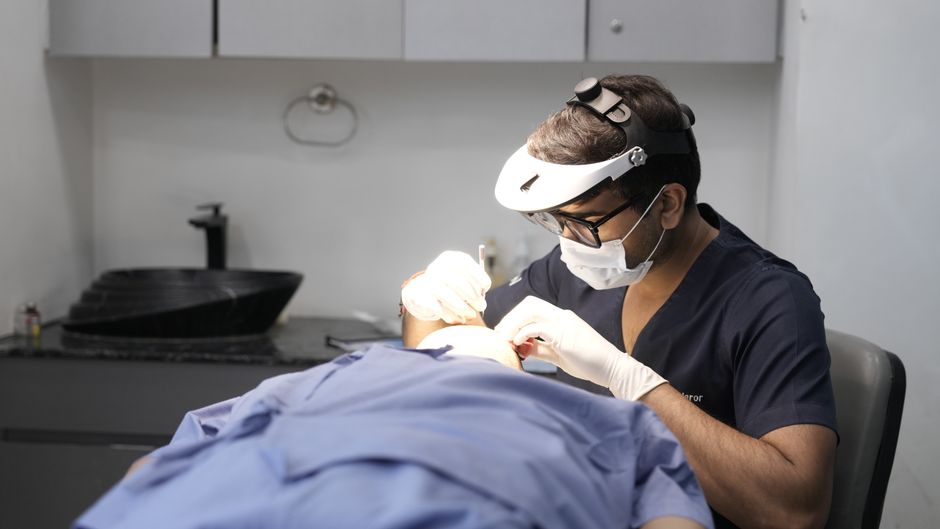
Q1: Is Potenza painful?
Most patients describe the sensation as a rapid series of pinpricks accompanied by warmth. With appropriate topical numbing (which well-run clinics will apply for a full 30–60 minutes beforehand), the majority of people find the procedure tolerable rather than painful. More sensitive areas — around the mouth, nose, or forehead — may feel more intense. If you have low pain tolerance, discuss this with your clinician; some clinics offer additional comfort measures.
Q2: Can Potenza be done in summer?
This is one reason for its growing popularity. Unlike ablative resurfacing lasers that require significant sun avoidance, RF microneedling can generally be performed year-round, including during summer months, provided patients are diligent about daily broad-spectrum SPF use and minimise prolonged sun exposure during the healing phase. Clinicians may adjust energy settings during hotter months as a precaution.
Q3: How is Potenza different from other RF microneedling devices like Morpheus8 or Sylfirm X?
All three are RF microneedling platforms and share the same core mechanism. Key differences lie in needle configuration, energy delivery parameters, depth range, and specific tip options. Potenza’s Tiger Tip and booster delivery system is a distinctive feature. Morpheus8 is known for its depth capability and body contouring applications. Sylfirm X uses pulsed wave RF and is particularly favoured for vascular concerns and melasma. No single device is universally “best” — the right choice depends on your individual skin concerns and your clinician’s assessment.
Q4: Will Potenza help with melasma or pigmentation?
This is nuanced. Standard RF microneedling is not specifically designed to target pigmentation. However, some data and clinical experience suggest that RF microneedling may support overall skin texture improvements that can complement pigmentation management. For melasma specifically, the combination of mechanical and thermal energy carries a risk of worsening pigmentation if settings are not carefully calibrated. If melasma is a primary concern, raise this explicitly in consultation — your clinician may recommend a modified protocol or a different treatment approach.
Q5: How soon after Potenza can I wear makeup?
Most clinicians recommend waiting at least 24 to 48 hours before applying makeup to reduce the risk of introducing bacteria or irritants through the micro-channels. When you do return to makeup, opt for mineral-based formulas initially, as they tend to be gentler on sensitised skin.
Q6: Can Potenza be combined with other treatments?
Yes — combination protocols are common in Korean dermatology clinics. Potenza is frequently paired with treatments such as skin boosters (e.g., Rejuran, PDRN), laser toning for pigmentation, or injectable treatments for a multi-modal approach. The sequencing and intervals matter, however — your clinician should provide a clear treatment plan rather than layering procedures without a rationale.
Q7: I have a history of cold sores. Is Potenza safe for me?
The mechanical disruption of microneedling can potentially trigger a herpes simplex reactivation in those with a history of cold sores (oral herpes). This is why it’s important to disclose this history during your consultation. Many clinicians will prescribe a short course of antiviral medication (such as acyclovir or valacyclovir) taken prophylactically around the treatment date. With appropriate precautions, it is typically manageable — but self-disclosing this history is essential.
9. Conclusion: Your Checklist Before Deciding on Potenza
Potenza RF microneedling occupies a well-earned place in the modern Korean dermatology toolkit. It’s not a miracle machine — no single device is — but for the right candidate with realistic expectations, it may offer meaningful improvements in pore appearance, skin texture, early laxity, and certain types of scarring, with a recovery profile that suits many people’s lives.
Before you book, run through this checklist:
- ☐ Have you consulted a board-certified dermatologist (not just a beauty clinic aesthetician) who has reviewed your skin history and discussed the procedure in detail?
- ☐ Have you disclosed all medications, supplements, and skin conditions — including cold sore history, any implanted devices, and recent use of isotretinoin?
- ☐ Do you understand that results are gradual and that the most visible improvements typically occur 2–3 months after a completed course?
- ☐ Have you planned adequate downtime for the immediate 2–5 days of visible redness and recovery?
- ☐ Do you have a diligent sun protection plan — SPF 30–50 worn daily, starting from the day of treatment?
- ☐ Have you confirmed the qualifications of the practitioner who will perform your treatment — not just the clinic’s branding?
- ☐ Have you discussed realistic outcomes for your specific skin concerns, and are those expectations aligned with what the clinician is promising?
- ☐ Have you budgeted for a course (typically 3–4 sessions) rather than a single session, for optimal results?
- ☐ If travelling to Korea for treatment: Have you confirmed the clinic’s English-language support, aftercare protocol, and what to do if you experience a concern after returning home?
Korean dermatology continues to set a high standard for evidence-based aesthetic care, and Potenza is one of the treatments helping to define that standard internationally. Approach it with thorough research, honest conversations with qualified professionals, and patience — and it may be a worthwhile addition to your long-term skin health journey.
Disclaimer: This article is for informational purposes only and is not medical advice. Always consult a board-certified professional before any procedure.