물광주사 (Mulkwang Injection): The Korean ‘Glass Skin’ Drip — A Complete Guide for International Readers
If you’ve scrolled through Korean beauty content lately, you’ve almost certainly come across the phrase 물광 (mulkwang) — literally translated as “water light” or “dewy glow.” It describes that particular luminous, almost translucent skin quality that sits at the very centre of K-beauty ideals. And right now, one clinical treatment is credited above all others for delivering it: 물광주사 (mulkwang jusha), or the mulkwang injection.
Walk into any mid-to-high-tier dermatology clinic on Seoul’s Gangnam-gu strip, or in beauty districts from Apgujeong to Hongdae, and you’ll find mulkwang treatments listed prominently — often as a standalone menu item or as a core component of a customised “skin package.” International visitors to Korea are increasingly booking these sessions alongside other aesthetic procedures, and the curiosity from abroad has grown substantially.
This guide is written for that international audience: people who want to understand exactly what this treatment is, what the science says, what realistic expectations look like, and how to approach the decision safely and informedly. We’ll draw on clinical guidance published by Korean dermatologists — including a landmark guideline from Chung-Ang University Hospital — to give you the clearest, most up-to-date picture available.
Important note before we begin: everything here is informational only and does not constitute medical advice. Always consult a board-certified dermatologist before undergoing any procedure.
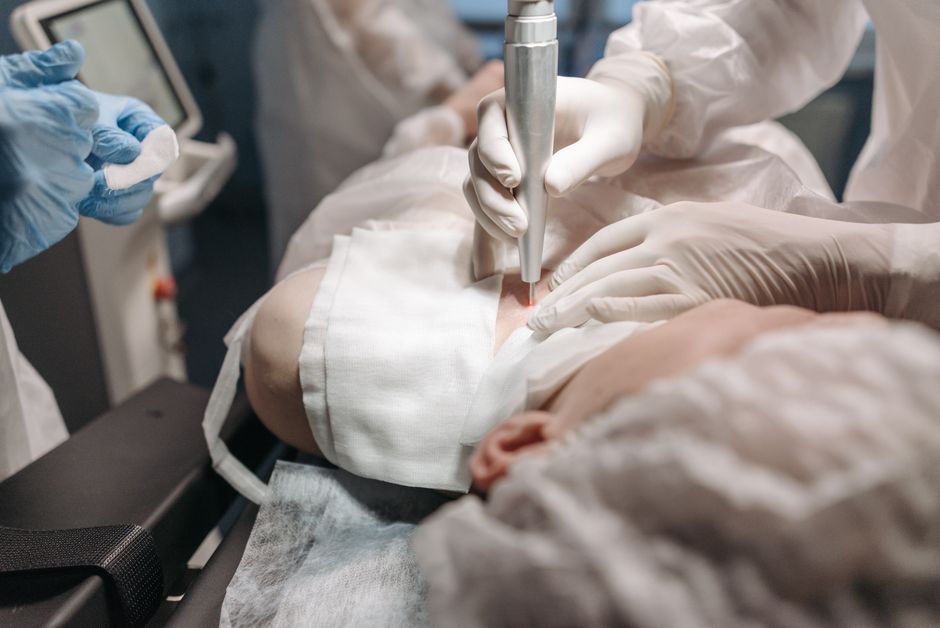
1. Why 물광주사 Is Everywhere in Korean Clinics Right Now
Korean aesthetic dermatology has always been driven by two parallel forces: cutting-edge technology and deeply cultural skin ideals. The concept of mulkwang skin — skin so hydrated and refined that it appears lit from within — isn’t new. What is new is the clinical infrastructure to achieve it consistently, reproducibly, and with documented outcomes.
Several factors have converged to make mulkwang injections the go-to treatment of the moment:
- Evidence is catching up with popularity. In recent years, Korean dermatology departments have begun publishing formal clinical guidelines around skin booster treatments. Notably, Professor Kim Beom-jun of Chung-Ang University Hospital’s Department of Dermatology published research confirming that the moisturising effects of mulkwang treatment may be maintained for up to 16 weeks after a properly administered course — giving the treatment genuine clinical credibility beyond anecdote.
- The “glass skin” aesthetic has gone global. Driven by K-drama, K-pop, and beauty content creators, the luminous, pore-minimised skin look is now aspirational well beyond South Korea. Mulkwang injection is positioned as the clinical fast-track to that aesthetic.
- Non-invasive appeal. In a market saturated with lasers, threads, and more invasive procedures, a treatment delivered via micro-injections with minimal downtime fits perfectly into modern busy lifestyles — both for locals and for “beauty tourists” with limited time in Korea.
- Customisation culture. Korean dermatology has an increasingly personalised approach. As noted in reporting from 이로운넷, the emphasis on 1:1 customised treatment planning means mulkwang protocols are increasingly tailored to individual skin concerns, making results feel more targeted and relevant.
2. How It Works — The Science, in Plain English
The Core Ingredient: Hyaluronic Acid (HA)
The foundation of most mulkwang injections is hyaluronic acid (HA) — a naturally occurring molecule already present in your skin, connective tissue, and eyes. HA is remarkable for one key reason: a single molecule can bind up to 1,000 times its own weight in water. As we age, the skin’s natural HA concentration declines, contributing to dryness, loss of plumpness, and a duller overall appearance.
Rather than applying HA topically (where molecules are often too large to penetrate effectively), mulkwang injection delivers it directly into the dermis — the layer of skin where hydration, elasticity, and structural support actually originate. This is the fundamental clinical logic of the treatment: bypass the surface barrier and refill the skin’s moisture reservoir at the source.
Delivery Method: Mesotherapy and Automated Injectors
Mulkwang injection typically uses a technique borrowed from mesotherapy — the practice of making numerous small, shallow injections into the mesoderm (the middle layer of the skin). Modern Korean clinics frequently use automated multi-needle injectors (sometimes branded devices) that deliver consistent micro-doses across a treatment area with precision and speed. This reduces variation between injection points and may improve comfort compared to manual injection alone.
The HA formulations used are generally non-cross-linked or lightly cross-linked, meaning they are softer and more fluid than the thicker HA used in traditional dermal fillers for volume correction. The goal is diffusion through tissue for widespread hydration, not localised volume.
What Else May Be in the Formula?
Depending on the clinic’s protocol and your individual skin assessment, the injection solution may also include:
- Vitamins (particularly Vitamin C, B-complex) to support collagen synthesis and brightness
- Glutathione for antioxidant effect and potential brightening
- Growth factors or peptides to stimulate fibroblast activity
- Polynucleotides (PDRN) in some formulations, for tissue repair support
- Botulinum toxin (micro-tox) in small concentrations, to refine pore appearance and reduce surface oiliness
The precise cocktail varies considerably by clinic and practitioner, which is why understanding the protocol during consultation is so important — more on that in the procedure section.
The Biological Response
Beyond the immediate hydration effect, the micro-trauma created by the injections themselves triggers the skin’s natural wound-healing response, stimulating fibroblast activity and encouraging the production of new collagen and elastin. This is a secondary benefit that contributes to the improvement in skin texture and tone that many patients report over the weeks following treatment.
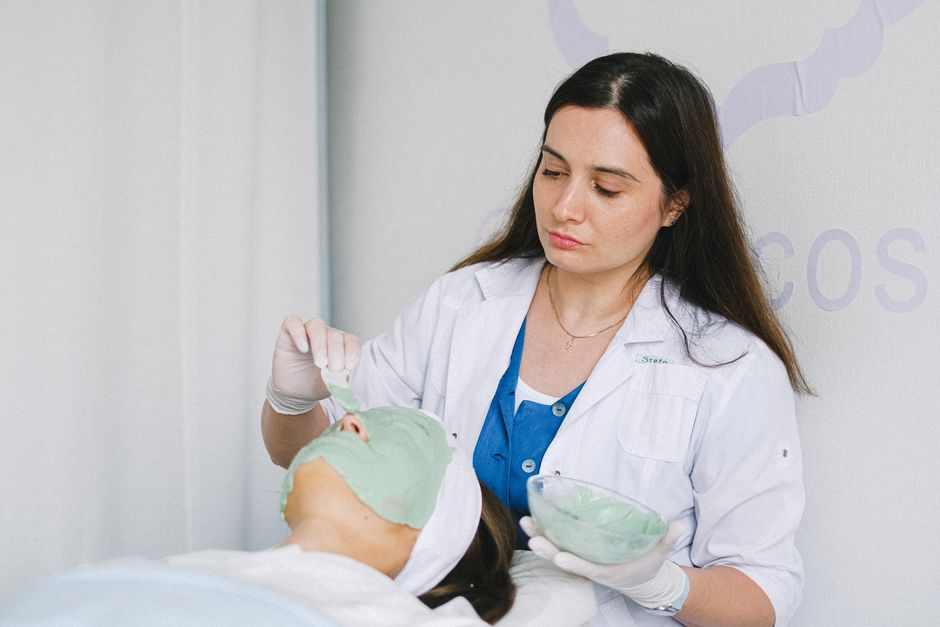
3. Results & Longevity — What to Realistically Expect
What the Research Suggests
Professor Kim Beom-jun’s published findings from Chung-Ang University Hospital are particularly useful here because they move beyond subjective patient satisfaction into measurable clinical outcomes. The research confirmed that moisturising effects from a properly administered mulkwang treatment protocol may be maintained for up to 16 weeks — approximately four months. This is notably longer than many topical regimens and provides a meaningful window of benefit per session cycle.
Chung-Ang University Hospital’s guideline work also focused on optimising injection technique and product selection to maximise that duration — an important development given how much variability had previously existed in how clinics administered the treatment.
Typical Timeline of Effects
| Timeframe | What You May Notice |
|---|---|
| Immediately after | Skin may appear flushed or slightly raised at injection points; initial plumpness |
| Days 3–7 | Swelling and any redness typically subside; skin may begin to feel noticeably softer |
| Weeks 2–4 | Hydration improvement becomes more apparent; potential improvement in texture and glow |
| Weeks 4–16 | Sustained hydration window; ongoing collagen stimulation effects may continue to develop |
| Beyond 16 weeks | Effects may gradually diminish; maintenance session typically recommended |
How Many Sessions?
Most Korean dermatologists recommend an initial course of 3–4 sessions, spaced approximately 2–4 weeks apart, to build up the skin’s HA reservoir and establish a foundation of improvement. After that, many patients opt for maintenance sessions every 3–4 months. Individual recommendations will vary significantly based on skin condition, age, and treatment goals.
4. Who It Suits — and Who Should Consider Skipping It
Skin Types and Concerns That May Respond Well
- Dry or dehydrated skin — the most direct application; the hydration boost may be significant
- Dull or lacklustre complexion — those seeking a luminosity improvement
- Fine lines related to dryness — superficial lines caused or worsened by dehydration may appear softened
- Uneven skin texture — rough texture associated with low moisture levels may show improvement
- Post-procedure skin recovery — some practitioners use HA boosters as part of post-laser or post-peel recovery protocols
- Preventive maintenance in 20s–30s — younger patients using it proactively as HA stores begin to naturally decline
Who Should Exercise Caution or Avoid
- Active skin infections or inflammatory acne — injections through compromised skin increase infection risk
- Known allergy to any component of the injection formulation (discuss all ingredients in consultation)
- Autoimmune conditions or immunosuppressive medication — consult your physician first
- Pregnancy or breastfeeding — typically a contraindication; discuss with your OB and dermatologist
- Blood-thinning medications or supplements (aspirin, fish oil, warfarin) — may increase bruising; discuss timing with your doctor
- Those expecting dramatic structural or volumising changes — mulkwang is a hydration and texture treatment, not a contouring procedure
5. The Procedure Step by Step — Consultation to Aftercare
Step 1: Consultation
A reputable Korean dermatology clinic will begin with a thorough skin analysis — often using digital imaging equipment — and a detailed consultation about your skin concerns, medical history, and expectations. This is the stage at which the specific injection formula should be discussed. Ask specifically what will be in your injection cocktail and why each component is recommended for your skin.
As emphasised in Korean dermatology reporting, the importance of 1:1 personalised treatment planning cannot be overstated. If a clinic offers only a one-size-fits-all mulkwang “package” without first assessing your skin, that’s worth noting.
Step 2: Topical Anaesthetic
Numbing cream (typically lidocaine-based) is applied to the treatment area — usually the full face, though neck and décolletage can also be treated. This is left on for approximately 20–30 minutes. Most patients describe the procedure as mildly uncomfortable rather than painful once the anaesthetic has taken effect.
Step 3: Cleansing and Prep
The skin is thoroughly cleansed and the numbing cream removed. The face is disinfected before treatment begins.
Step 4: Injection
Using either an automated injector device or manual technique (or a combination), the practitioner delivers micro-injections across the treatment zone in a systematic pattern. A full-face treatment typically takes 15–30 minutes depending on the protocol and device used.
Step 5: Soothing Treatment
Immediately post-injection, clinics typically apply a soothing sheet mask, LED light therapy (often red light for calming), or cooling treatment to reduce redness and support initial healing.
Step 6: Post-Procedure Care Instructions
You’ll receive aftercare guidance before you leave — follow it carefully. This is covered in detail in the next section.
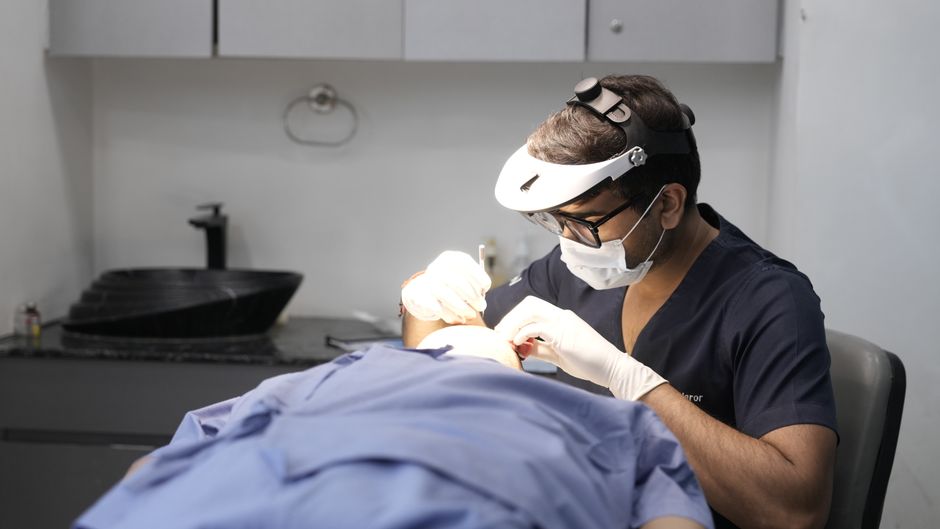
6. Recovery & Precautions — Timeline and What to Avoid
Immediate Post-Procedure (Day 1)
- Expect small raised bumps at injection sites — these are normal and typically flatten within hours
- Redness and mild swelling are common and usually resolve within 24 hours
- Avoid touching, pressing, or massaging the treated area
- Avoid makeup for at least the rest of the day (many practitioners recommend 24 hours)
First Week
- Avoid intense exercise, saunas, steam rooms, and hot showers for 24–48 hours (heat increases swelling and may affect how HA settles)
- Avoid alcohol for at least 24 hours (increases bruising and inflammation risk)
- Use only gentle, fragrance-free skincare — no actives (retinoids, AHAs, BHAs, vitamin C serums) for approximately one week unless your practitioner advises otherwise
- Apply a broad-spectrum SPF 30+ sunscreen diligently — treated skin is more photosensitive
- Stay well hydrated to support the HA’s water-binding effect
Longer Term
- Avoid prolonged, unprotected sun exposure — this is true year-round for skin health and especially important post-procedure
- Maintain your home skincare routine with good hydration to complement and prolong results
Red Flags — When to Contact Your Practitioner
- Worsening swelling or pain beyond 48 hours
- Signs of infection: increasing redness, warmth, pus, fever
- Nodule formation that persists beyond two weeks
- Any unusual skin reaction or allergic response
7. Typical Price Range
Pricing for mulkwang injection in South Korea varies based on several factors: the specific formula used, whether branded or clinic-compounded products are used, the number of sessions in a package, the geographic location of the clinic (central Seoul vs. other cities), and the experience level of the practitioner.
As a general orientation for international visitors, single-session mulkwang injection treatments at Korean dermatology clinics typically fall within an approximate range of USD $100–$350 per session for a standard face treatment. Package deals for multiple sessions are commonly offered and may work out to a lower per-session cost.
Treatments that include additional components (e.g., added growth factors, PDRN, or combination with micro-tox) may sit at the higher end of the range or beyond it.
Note: These figures are approximate market ranges only. We do not quote or endorse any specific clinic’s pricing. Always request a full, itemised quote during your consultation.
8. Frequently Asked Questions
Q1: Is mulkwang injection the same as Profhilo or Juvederm Volite?
Not exactly, though they share a common logic. Profhilo and Volite are specific branded HA skin booster products originating from European manufacturers. Mulkwang injection is a broader term used in Korean clinics that may refer to treatments using various HA products — including Korean-manufactured skin boosters — sometimes combined with other active ingredients. The Korean market has a range of domestic HA booster products that may not be widely known internationally. Always ask about the specific product being used.
Q2: Will I see results after just one session?
Some patients notice an immediate softness and subtle glow within the first week. However, the most meaningful improvements in texture, tone, and sustained hydration generally develop over a course of multiple sessions. A single treatment may offer a temporary benefit, but the clinical evidence supporting multi-session protocols is stronger.
Q3: Can mulkwang injection help with acne or acne scars?
It is not primarily an acne treatment. For active acne, it may not be appropriate (see the ‘who should skip it’ section). For post-acne hyperpigmentation or surface texture irregularities related to dryness, some improvement may be seen as a secondary benefit of improved hydration and collagen stimulation. Dedicated acne scar treatments (such as fractional laser or microneedling) address scarring more directly.
Q4: How does it compare to a mesotherapy facial?
Mulkwang injection is a form of mesotherapy — the technique overlaps significantly. The distinction is often in the specific formulation and the clinical intent. Korean mulkwang protocols are specifically oriented toward the mulkwang skin ideal (dewy, hydrated luminosity), while mesotherapy is a broader term covering many types of intradermal microinjection for various concerns. In practice, the two terms are sometimes used interchangeably by clinics.
Q5: I’m visiting Korea for two weeks. Is the timing realistic for a course of treatment?
Realistically, two weeks allows for at most two sessions (spaced 1–2 weeks apart). Some international visitors choose to receive one session as part of a broader aesthetic visit, and plan follow-up maintenance during a subsequent trip. Others begin a course and continue with similar skin booster treatments at home clinics. Discuss your travel timeline honestly during consultation — a good practitioner will help you set appropriate expectations.
Q6: Is it safe to combine mulkwang injection with other treatments during the same visit to Korea?
This depends heavily on which treatments are being combined and the individual’s skin. Korean clinics are experienced in creating “combination treatment days,” but sequencing matters — for example, laser treatments and mulkwang injections may be performed in a specific order, or spaced apart, to avoid contraindications. A detailed 1:1 consultation covering all planned procedures is essential. Don’t book a combination package without that conversation first.
Q7: Does it hurt?
With topical anaesthetic properly applied, most patients describe the sensation as mild prickling or pressure rather than sharp pain. Pain tolerance varies. The automated injector devices used in many Korean clinics are designed partly to improve comfort and consistency. If you’re particularly sensitive, mention this during consultation — practitioners can adjust technique or anaesthetic application time accordingly.
9. Conclusion — Your Checklist Before Deciding
Mulkwang injection sits at an interesting intersection: it has genuine clinical evidence behind it, clear cultural cachet, a reasonable safety profile when performed correctly, and a result — dewy, hydrated, luminous skin — that resonates with a wide range of skin types and ages. It’s not magic, and it won’t restructure your face. But for those whose primary concern is hydration, texture, and glow, it represents one of the more well-supported aesthetic skin treatments currently available in Korean dermatology.
Before you book, run through this checklist:
| Checklist Item | Done? |
|---|---|
| I understand that results may improve my skin and have realistic expectations — this is not a guaranteed transformation | ☐ |
| I have no active skin infections, inflammatory acne, or known contraindications | ☐ |
| I have scheduled a proper consultation and skin analysis before the procedure | ☐ |
| I know what specific ingredients will be in my injection and have discussed any allergies | ☐ |
| I have disclosed all medications, supplements, and ongoing treatments to my practitioner | ☐ |
| I understand the recovery requirements and can accommodate them around my schedule | ☐ |
| If combining with other procedures, the practitioner has reviewed the full plan and confirmed it is appropriate | ☐ |
| I have a realistic post-treatment skincare plan (SPF, gentle products, hydration) to support and extend results | ☐ |
| I know what post-procedure symptoms should prompt me to contact the clinic | ☐ |
Korean dermatology’s growing investment in clinical evidence — from institutions like Chung-Ang University Hospital publishing formal guidelines on optimising mulkwang treatment outcomes — means that this treatment is maturing beyond trend status into a legitimate, evidence-informed clinical offering. That’s good news for patients, and a useful benchmark to hold any clinic you consider to.
Go in informed. Ask questions. Be realistic about outcomes. And enjoy the process of understanding your skin better.
Disclaimer: This article is for informational purposes only and is not medical advice. Always consult a board-certified professional before any procedure.