Sculptra Collagen Booster: The Science Behind Korea’s Favourite Long-Lasting Skin Treatment
If you’ve been scrolling through Korean beauty forums lately, you’ve almost certainly come across the phrase 스컬트라 (Sculptra) — often followed by enthusiastic before-and-after photos and the word 자연스럽다 (natural-looking). Walk into almost any aesthetic dermatology clinic in Seoul’s Gangnam district or Apgujeong neighbourhood and you’ll find Sculptra listed prominently on the treatment menu, frequently alongside its popular rivals, hyaluronic acid (HA) filler and Juvelook (PDRN). So what exactly is driving this surge in interest, and should it be on your radar the next time you’re planning a skin-care trip to Korea?
This guide breaks down everything you need to know — the science, the realistic results, the recovery, the cost, and the honest caveats — in plain English.
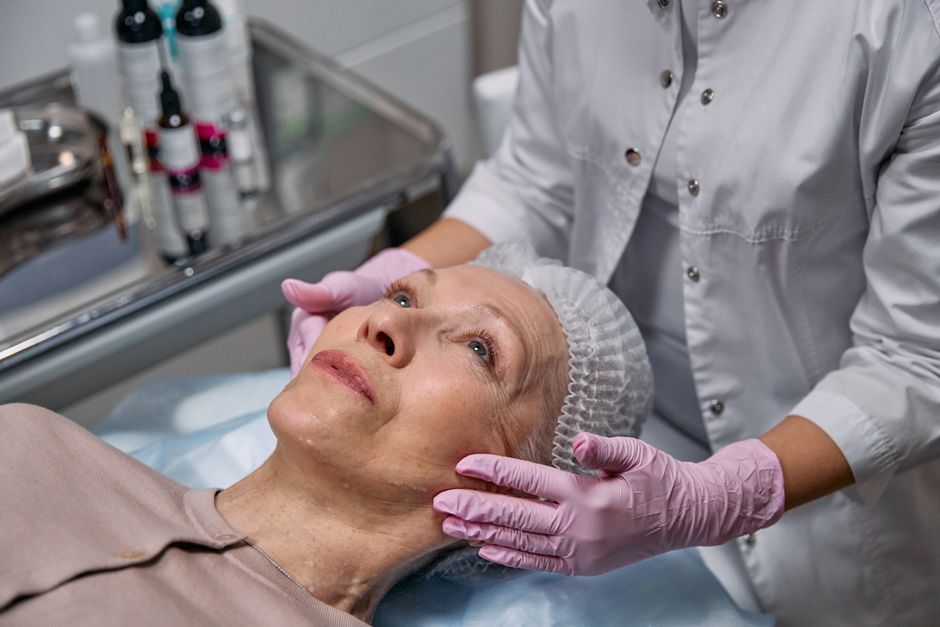
1. Why Sculptra Is Everywhere in Korean Clinics Right Now
Korean aesthetic medicine has always been early to adopt treatments that prioritise 피부 결 (skin texture quality) over dramatic, instantly obvious changes. That cultural preference for gradual, natural-looking improvement is a big part of why biostimulator injectables — treatments that encourage the skin to produce its own collagen rather than simply adding volume — have exploded in popularity.
Sculptra sits at the premium end of this category. Originally developed for HIV-related facial lipoatrophy and approved by the US FDA in 2004, it has been refined and repositioned over the past decade as a collagen biostimulator for general aesthetic use. Korean dermatologists have embraced it enthusiastically because:
- Results appear gradually and tend to look subtle and “owned” by the patient’s own biology
- Longevity (two or more years in many patients) is significantly longer than standard HA fillers
- It addresses volume loss and skin quality simultaneously
- The K-beauty ethos of skin health — not just skin appearance — aligns well with a treatment that works by improving the skin’s structural foundation
Korean beauty media, including outlets like Healthchosun and Womensense, have run detailed comparison features pitting Sculptra against HA fillers and newer biostimulators like Juvelook, reflecting the genuine public curiosity about which collagen-building approach offers the best value and the most natural outcome.
2. How It Works: The Science in Plain English
The Active Ingredient: Poly-L-Lactic Acid (PLLA)
Sculptra’s active ingredient is poly-L-lactic acid (PLLA), a synthetic, biodegradable polymer that has been used safely in dissolvable sutures for decades. PLLA is not a filler in the traditional sense — it doesn’t sit in your tissue and physically plump the area. Instead, it acts as a scaffold and a stimulus.
Here’s the simplified chain of events after injection:
- Injection: Sculptra is reconstituted with sterile water (the reconstitution process is important — it typically needs to be prepared 24–72 hours in advance to allow the microspheres to hydrate properly) and injected into the deep dermis or subcutaneous layer.
- Initial water absorption: The water carrier is absorbed within a few days, which is why any initial plumping effect typically disappears after the first week — and patients are warned about this in advance.
- Inflammatory response: The PLLA microspheres trigger a mild, controlled foreign-body response. Your immune system sends fibroblasts to investigate.
- Collagen synthesis: Those fibroblasts begin producing new Type I collagen — the primary structural collagen in healthy, youthful skin — around the PLLA particles.
- Gradual remodelling: As the PLLA slowly biodegrades over the following months, the new collagen matrix it stimulated remains, effectively thickening and firming the skin from within.
This is why Sculptra is often described as a “collagen booster” rather than a filler. You’re not importing volume; you’re prompting your own body to rebuild what time and UV exposure have diminished.
How Does It Compare to HA Filler and Juvelook?
| Feature | HA Filler | Juvelook (PDRN) | Sculptra (PLLA) |
|---|---|---|---|
| Mechanism | Direct volume replacement | DNA repair + mild collagen stimulation | Collagen biostimulation |
| Results timeline | Immediate | 2–4 weeks | 4–12 weeks (gradual) |
| Longevity | 6–18 months | 6–12 months | 2+ years |
| Reversible? | Yes (hyaluronidase) | Partially | No |
| Primary benefit | Shape & volume | Texture, hydration, repair | Volume + structural firmness |
| Best for | Precise contouring | Overall skin quality | Diffuse volume loss, sagging |
It’s worth noting that many Korean dermatologists use these treatments in combination — for example, Sculptra for overall volume restoration and Juvelook or a skin booster for surface texture and hydration.
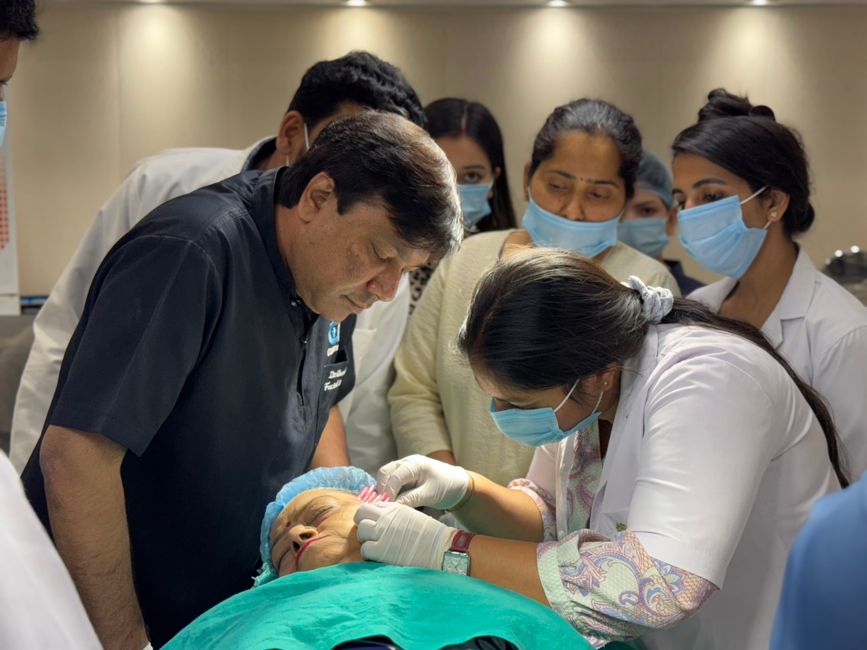
3. Results & Longevity: What to Realistically Expect
The Timeline
Sculptra requires patience — and that’s exactly why some patients love it and others find it frustrating. Here’s a realistic timeline:
- Week 1: Some immediate plumping from the water carrier — this is not the real result. Some bruising or swelling may be present.
- Week 2–4: The water absorbs, and the area may look similar to or even slightly flatter than before treatment. This is normal and expected.
- Month 2–3: Collagen production begins to show. Skin may appear gradually firmer and subtly fuller.
- Month 4–6: More noticeable improvement in volume and skin quality — this is typically the “peak reveal” window after a course of treatment.
- Year 1–2+: Results continue to be maintained. Many patients report sustained improvement for two years or longer before a top-up is needed.
How Many Sessions?
Most Korean dermatologists recommend a course of 2–4 sessions, spaced approximately 4–6 weeks apart, depending on the degree of volume loss and the areas being treated. A younger patient with mild laxity may see satisfying results after two sessions; someone with more significant facial volume loss may benefit from three or four.
How Long Do Results Last?
Clinical studies and real-world experience suggest that well-placed Sculptra may improve skin volume and firmness for two years or more in many patients. This longevity advantage over standard HA fillers is one of the primary reasons patients in Korea — and internationally — view Sculptra as a cost-effective long-term investment despite its higher upfront cost per session.
“Individual results vary depending on age, skin condition, lifestyle factors like sun exposure and smoking, and the number of treatment sessions. No injectable treatment can stop the ageing process entirely.”
4. Who It Suits — and Who Should Skip It
Good Candidates
- Adults in their mid-30s and above experiencing gradual facial volume loss or skin laxity
- Those who prefer subtle, natural-looking results over instant dramatic change
- Patients willing to commit to a multi-session protocol and a few months’ waiting period
- Anyone looking for a longer-lasting alternative to repeated HA filler maintenance
- People experiencing generalised facial hollowing (temples, cheeks, jawline) rather than needing precise localised shaping
- Patients seeking body biostimulation — Korean dermatology clinics are also increasingly using Sculptra for areas like the décolletage, buttocks, and inner arms
Poor Candidates or Those Who Should Proceed with Caution
- People with active skin infections, open wounds, or inflammatory conditions in the treatment area
- Those with a history of keloid scarring or hypertrophic scarring (biostimulation may not be appropriate)
- Patients who want immediate results — Sculptra is not the right choice if you have an event in three weeks
- Younger patients (under 30) who have not yet experienced significant collagen loss — other treatments may be more appropriate
- Those who are pregnant or breastfeeding
- Patients with autoimmune conditions — discuss thoroughly with your dermatologist
- Anyone with very thin skin in certain areas — placement technique becomes critical and risks increase
A Note on Skin Type
Sculptra is generally considered skin-type inclusive — it doesn’t interact with melanin and doesn’t carry the same post-inflammatory hyperpigmentation risks associated with some laser treatments. However, individual assessment by a qualified practitioner is always essential.
5. The Procedure Step by Step
Step 1: Consultation
A thorough consultation should cover your medical history, current medications, skin concerns, realistic expectations, and a facial assessment. The practitioner may photograph your face from multiple angles. This is the moment to ask every question — a good dermatologist will welcome detailed questions.
Step 2: Preparation (Before Your Appointment)
Sculptra requires advance preparation: the vials must typically be reconstituted with sterile water 24–72 hours before treatment. You’ll usually be advised to avoid blood thinners (aspirin, ibuprofen, certain supplements like fish oil and vitamin E) for about a week before your appointment to minimise bruising.
Step 3: Numbing
Topical anaesthetic cream is applied to the treatment area approximately 30–45 minutes before injection. Many practitioners also add lidocaine to the Sculptra mixture to further reduce discomfort during injection.
Step 4: Injection
Using a fine needle or cannula (a blunt-tipped flexible tube), the practitioner injects Sculptra into the targeted areas. Cannulas are often preferred as they may reduce bruising risk. The injections are typically placed in a grid or fan pattern across the treatment zone, not in a single point. The session itself usually takes 30–60 minutes.
Step 5: Massage
Immediately after injection, the practitioner will massage the treated areas. This is a critical step — even distribution of the product prevents nodule formation. You’ll also be instructed to massage the area yourself at home.
Step 6: Aftercare Instructions
You’ll receive detailed aftercare instructions — follow them carefully (see Section 6 below).
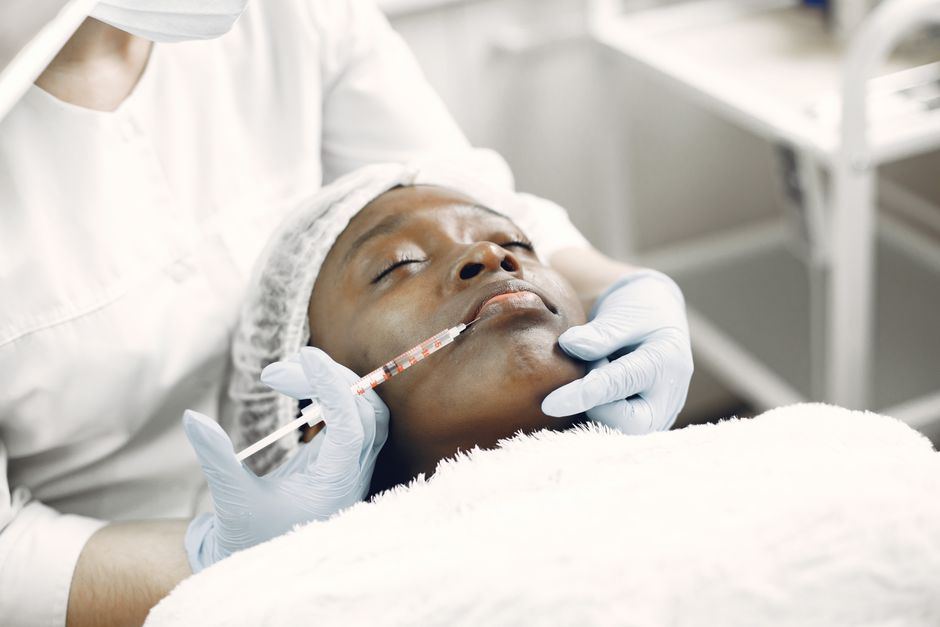
6. Recovery & Precautions: The Realistic Timeline
Immediate Aftermath (Days 1–3)
- Expect redness, swelling, and tenderness at injection sites
- Bruising is common — plan accordingly if you have social commitments
- Apply ice packs (wrapped in cloth) gently if needed
- Avoid touching or pressing the treated area except for the recommended massage
The 5-5-5 Massage Rule
Many Korean dermatologists follow a post-Sculptra massage protocol sometimes called the “5-5-5 rule”: massage the treated area for 5 minutes, 5 times a day, for 5 days after treatment. This helps distribute the product evenly and may reduce the risk of nodule formation. Always follow your specific practitioner’s instructions.
What to Avoid
| Timeframe | What to Avoid |
|---|---|
| First 24 hours | Makeup on treated area, hot showers, strenuous exercise, alcohol |
| First week | Saunas, steam rooms, intense cardio, direct sun exposure without SPF50+ |
| First 2 weeks | Facial massages (professional), laser treatments, chemical peels on the treated area |
| Ongoing | Smoking (impairs collagen synthesis), excessive alcohol, unprotected sun exposure |
Red Flags — When to Contact Your Practitioner
- Pain that worsens significantly after 48 hours
- Signs of vascular occlusion: white or bluish discolouration, sudden vision changes
- Hard nodules or lumps forming under the skin (some firmness initially is normal, but persistent hard nodules need evaluation)
- Fever or signs of infection
7. Typical Price Range
Sculptra pricing varies considerably depending on the country, city, clinic tier, the number of vials used per session, and the practitioner’s experience level. As a general reference point for international patients:
| Region | Approximate Price per Vial (USD) | Typical Vials per Session |
|---|---|---|
| South Korea | $300–$600 per vial | 1–4 vials (face); more for body |
| United States | $800–$1,200+ per vial | 2–4 vials (face) |
| United Kingdom | $700–$1,000+ per vial | 2–3 vials (face) |
| Australia | $700–$1,100+ per vial | 2–3 vials (face) |
Important pricing context:
- These figures are approximate ranges only and should be used for general comparison — never as a confirmed quote
- A full course of treatment (multiple sessions) will multiply the per-session cost
- South Korea’s competitive medical tourism market means prices can be meaningfully lower than Western clinics, though this varies widely
- Be cautious of unusually low pricing — it may indicate under-diluted product, fewer vials than needed, or less experienced practitioners
- Consultation fees may or may not be included depending on the clinic
8. Frequently Asked Questions
Q1: Does Sculptra hurt?
Most patients describe the sensation as moderate discomfort rather than significant pain, particularly once topical anaesthetic has been applied. The addition of lidocaine to the mixture and the use of cannulas (rather than needles) may further reduce discomfort. Individual pain tolerance varies.
Q2: Can Sculptra be reversed if I don’t like the results?
Unlike hyaluronic acid fillers, which can be dissolved with hyaluronidase, Sculptra is not reversible. The PLLA integrates with your tissue as it stimulates collagen. This is why choosing an experienced, board-certified practitioner and having a thorough consultation is so important. If nodules develop, treatment options exist but prevention through correct technique is far preferable.
Q3: Can Sculptra be used on the body, not just the face?
Yes — and Korean dermatology clinics are increasingly offering Sculptra for body areas including the décolletage (chest), inner arms, abdomen, thighs, and buttocks for skin tightening and volume improvement. Body treatments typically require more vials and a customised protocol. Korean medical media has noted growing interest in “body lifting” approaches using biostimulators as part of a summer body-preparation treatment plan.
Q4: How is Sculptra different from a regular skin booster?
Skin boosters (such as Restylane Skinboosters or Juvelook) are primarily focused on improving skin hydration, texture, and mild elasticity — they work at a shallower level and typically need more frequent maintenance. Sculptra works deeper in the tissue, targets volume loss as well as skin quality, and may last significantly longer. They can complement each other and are often used together in Korean clinic protocols.
Q5: What should I ask my dermatologist before booking Sculptra?
Here is a useful checklist of questions to bring to your consultation:
- How many Sculptra treatments have you personally performed?
- How many vials do you recommend for my specific concerns, and why?
- What is your protocol if nodules develop?
- Are you recommending a needle or cannula approach, and why?
- What does the post-care massage protocol look like?
- What realistic improvement might I see, and over what timeframe?
- Are there any other treatments you’d recommend combining with Sculptra for my goals?
Q6: Is there a minimum age for Sculptra?
There is no universal minimum age, but most practitioners in Korean clinics recommend it for patients experiencing actual collagen and volume loss — typically from the mid-30s onward. Using biostimulators preventively in very young skin is not standard practice, and alternative treatments may be more appropriate for younger patients.
Q7: How do I find a qualified practitioner if I’m visiting Korea?
Look for board-certified dermatologists (피부과 전문의) or plastic surgeons with documented experience in biostimulator treatments. Check that the clinic uses genuine, legally imported Sculptra (counterfeits exist in some markets). Ask to see before-and-after photographs of the practitioner’s own patients. Medical tourism facilitators can assist with vetting, but always do your own verification.
9. Conclusion: A Checklist Before You Decide
Sculptra occupies an interesting and well-earned niche in the Korean aesthetic medicine landscape — it’s not an impulsive lunch-break treatment, but a considered, multi-session investment in your skin’s long-term structural health. Its growing popularity reflects a broader shift in how Korean (and increasingly global) patients think about ageing: not as something to dramatically erase, but as something to address subtly, from the inside out.
Before booking, run through this checklist:
- ✅ Realistic expectations: I understand results appear gradually over months, not days
- ✅ Commitment: I’m prepared for a course of 2–4 sessions, not a single appointment
- ✅ Patience: I understand the “dip” after week one is normal and not a sign of failure
- ✅ Aftercare: I’m able to follow the massage protocol and activity restrictions post-treatment
- ✅ Practitioner vetting: I have researched and chosen a board-certified, experienced practitioner
- ✅ Health screening: I’ve disclosed my full medical history and current medications
- ✅ Financial planning: I’ve accounted for the full course cost, not just a single session
- ✅ No pressure: I’m making this decision for myself, free from social pressure or unrealistic comparisons
Sculptra may improve skin volume, firmness, and overall quality in ways that can feel genuinely transformative — especially for those experiencing the gradual hollowing that comes with natural ageing. But like all aesthetic treatments, it works best when it’s the right tool for the right person, placed by the right hands.
Disclaimer: This article is for informational purposes only and is not medical advice. Always consult a board-certified professional before any procedure.