Shrink (슈링크) HIFU Lifting: The Korean Dermatology Treatment Everyone Is Talking About
Walk past any dermatology clinic on a busy street in Seoul’s Gangnam or Hongdae district and you will almost certainly see 슈링크 (Shrink) listed on the illuminated menu board outside. This non-surgical lifting treatment has quietly become one of the most-booked procedures in Korean aesthetic dermatology — and international visitors curious about K-beauty treatments are now asking about it in growing numbers. But what exactly is Shrink, how does it work, and is it the right treatment for you? This in-depth guide answers all of those questions honestly, including the realistic side of recovery and the safety considerations you should not overlook.
Quick note on terminology: “Shrink” is the brand name used in South Korea for a specific High-Intensity Focused Ultrasound (HIFU) device. You may also see it romanised as “Syurink” or simply referenced as a HIFU lifting procedure.
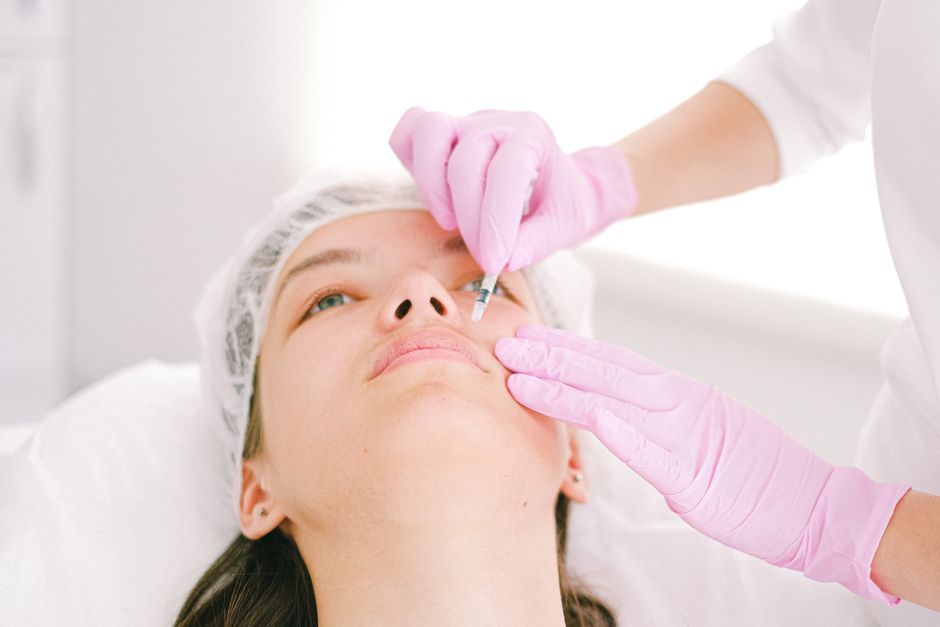
1. Why Shrink Is Everywhere in Korean Clinics Right Now
South Korea’s aesthetic dermatology market is one of the most competitive and innovation-driven in the world. Treatments that once required surgical downtime — facelifts, brow lifts, neck tightening — are being replaced, or at least supplemented, by energy-based devices that promise meaningful results with minimal recovery. Shrink sits squarely in that sweet spot.
Several factors have driven its popularity:
- No needles, no incisions: The procedure is entirely non-invasive, which removes a significant psychological barrier for first-time clinic visitors.
- Lunchtime-friendly downtime: Most patients return to daily life the same day, making it practical for working adults.
- Visible tightening effect: Patients may notice immediate (if temporary) lifting due to tissue contraction, with longer-term collagen remodelling developing over weeks to months.
- Celebrity and social media visibility: Korean celebrities and beauty influencers have openly documented their Shrink sessions, normalising the treatment and fuelling demand. This visibility has also — importantly — included honest conversations about side effects, which we will cover in section 7.
- Accessible pricing compared to surgical options: While not inexpensive, Shrink is a fraction of the cost of a surgical facelift.
The treatment is approved by South Korea’s Ministry of Food and Drug Safety (MFDS) and is performed by licensed dermatologists and plastic surgeons in clinical settings.
2. How It Works — The Science in Plain English
HIFU: The Underlying Technology
Shrink is a High-Intensity Focused Ultrasound (HIFU) device. To understand what that means for your skin, a short analogy helps: imagine using a magnifying glass to focus sunlight onto a precise point on a piece of paper. The surrounding paper stays cool, but at that focal point, intense energy builds up. HIFU works on exactly the same principle — but instead of light, it uses ultrasound waves, and instead of paper, the target is living tissue beneath your skin.
Here is what happens layer by layer:
- Ultrasound energy is emitted from a handheld transducer placed on the skin’s surface.
- The energy passes harmlessly through the epidermis and dermis (the upper skin layers), leaving the surface intact.
- It converges at a precise focal depth — typically 1.5 mm, 3.0 mm, or 4.5 mm below the skin surface, depending on the cartridge used.
- At that focal point, tissue temperature rises rapidly to approximately 60–70°C in microseconds, creating a tiny thermal coagulation zone.
- This controlled micro-injury triggers the body’s wound-healing response, stimulating fibroblast activity and the production of new collagen and elastin fibres.
The 4.5 mm depth cartridge is particularly noteworthy because it targets the SMAS layer (Superficial Musculo-Aponeurotic System) — the same fibromuscular layer that a surgeon would tighten during a surgical facelift. Reaching this layer non-invasively is what distinguishes HIFU from many other energy-based skin treatments.
What Makes Shrink Different from Other HIFU Devices?
Multiple HIFU devices exist globally (Ultherapy being the best-known international brand). The Shrink device, manufactured by the Korean company Classys, is distinguished by its MFU-V (Micro-Focused Ultrasound with Visualisation) technology and a cartridge design that allows clinicians to deliver more shots per session with reportedly reduced discomfort compared to earlier-generation HIFU systems. The device offers real-time imaging to guide placement, which in theory improves precision.
3. Results & Longevity — What to Realistically Expect
Immediate vs. Long-Term Effects
Understanding the timeline of results helps set realistic expectations:
| Timeframe | What You May Notice |
|---|---|
| Immediately post-treatment | Mild temporary tightness, slight redness or swelling; some patients perceive a subtle lift due to acute tissue contraction |
| 2–4 weeks post-treatment | Initial improvements in skin texture and firmness may begin to appear as early collagen remodelling starts |
| 2–3 months post-treatment | Most patients see the most noticeable lifting and tightening improvements during this window |
| 3–6 months post-treatment | Results tend to plateau; this is considered the peak improvement phase for most patients |
| 12–18 months post-treatment | Results gradually diminish as the natural ageing process continues; maintenance sessions are commonly recommended |
How Many Sessions Are Typically Recommended?
Many Korean dermatology clinics recommend 1–2 sessions per year for maintenance, though this varies significantly based on age, skin condition, and individual response. Younger patients with early signs of laxity may see satisfying results from a single annual session; those with more advanced sagging may benefit from closer scheduling or combination approaches.
Number of Shots
You will often see Shrink sessions described in terms of “shots” (the number of focused ultrasound pulses delivered). A typical session may involve 300 to 600 shots, distributed across target areas such as the cheeks, jawline, neck, and brow. Higher shot counts are not automatically better — appropriate calibration and placement by a qualified clinician matters significantly more than volume alone.
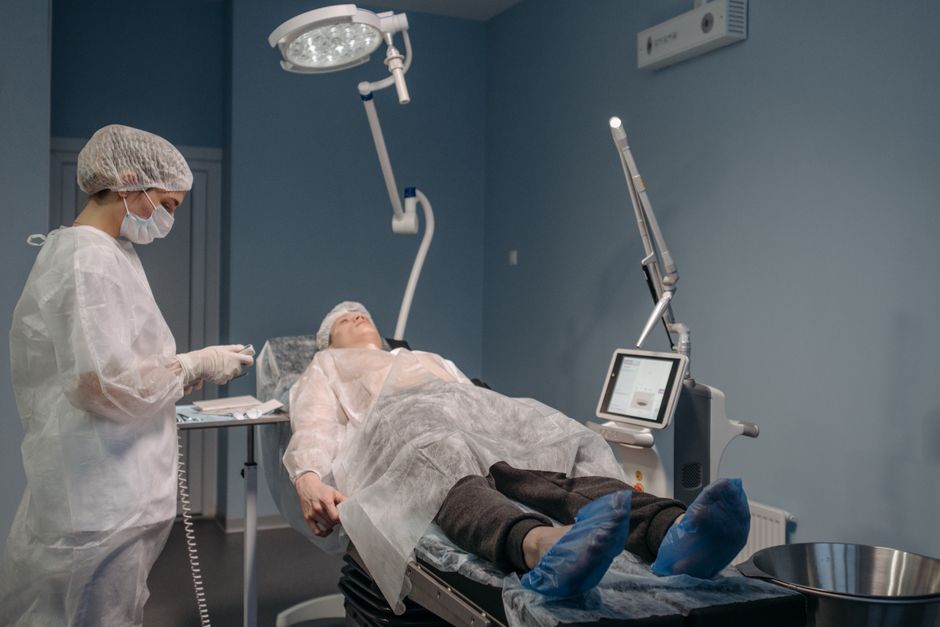
4. Who It Suits — and Who Should Skip It
Good Candidates
- Adults in their late 20s to 50s with mild to moderate skin laxity
- Those noticing early jowling, softening of the jawline, or drooping of the brow
- Patients seeking a preventative or maintenance approach to skin ageing
- Individuals who want to avoid surgery or needle-based treatments
- Those with realistic expectations — Shrink may improve skin firmness and contour, but it is not a surgical facelift replacement for significant sagging
Who Should Approach With Caution or Skip Entirely
- People with very thin skin or significant volume loss — energy delivery in these cases carries higher risk of adverse effects
- Those with active skin infections, open wounds, or inflammatory acne in the treatment area
- Individuals with metal implants, pacemakers, or nerve stimulators
- Pregnant or breastfeeding individuals
- Those with a history of keloid scarring
- Patients with very severe laxity who may be better served by surgical consultation
- Anyone with coagulation disorders or on blood thinners — discuss thoroughly with a physician first
Important note on very low body fat: Patients with minimal subcutaneous fat in the face require extra caution. When the cushioning layer of fat is thin, the energy focal point may be closer to superficial tissue, nerves, or bony structures than intended, raising the risk of unintended thermal injury. This is a critical point that your consulting dermatologist should assess carefully.
5. The Procedure Step by Step — Consultation to Aftercare
Step 1: Consultation
A reputable clinic will begin with a thorough consultation. The clinician should assess your skin thickness, degree of laxity, fat distribution, and medical history. This is the moment to disclose all medications, supplements, medical conditions, and skin concerns. Ask about the clinician’s qualifications and experience with the specific device.
Step 2: Skin Preparation
On the day of treatment, the skin is cleansed thoroughly. Make-up, sunscreen, and skincare products are removed. Some clinics may apply a topical numbing cream (local anaesthetic) 20–30 minutes before the procedure to reduce discomfort, though practices vary.
Step 3: Mapping and Marking
The clinician marks the treatment zones on the face and neck, planning the grid pattern for shot placement. This mapping stage is more important than it might appear — careful planning helps avoid sensitive areas such as the parotid gland, superficial nerves, and bony prominences.
Step 4: The Treatment
A coupling gel (similar to ultrasound gel used in medical imaging) is applied. The transducer handpiece is moved systematically across the treatment zones, delivering shots according to the planned pattern. Patients typically feel a warm, prickling, or stinging sensation with each pulse — particularly at the 4.5 mm SMAS depth. Discomfort levels vary widely between individuals. The session typically lasts 30 to 60 minutes depending on the area and shot count.
Step 5: Immediate Post-Treatment Care
After the session, the gel is wiped away. The skin may appear slightly red, and some patients experience mild swelling or a sensation of tightness. The clinician will typically apply a soothing cream or mask and provide aftercare instructions.
6. Recovery & Precautions — Timeline and What to Avoid
Typical Recovery Timeline
| Period | Common Experiences | What to Do / Avoid |
|---|---|---|
| Day 1–3 | Mild redness, warmth, swelling, tingling, or tenderness | Gentle cleansing only; avoid active skincare ingredients; apply SPF diligently |
| Day 3–7 | Most superficial redness resolves; some patients experience temporary nerve sensitivity or slight bruising | Continue sun protection; avoid saunas, steam rooms, intense exercise |
| Week 2–4 | Skin largely returns to baseline appearance; subtle improvements may begin | Resume normal skincare; continue SPF; stay hydrated |
| Month 1–3 | Progressive collagen remodelling; main results developing | Protect skin from UV; nourish with hydrating skincare |
What to Avoid After Treatment
- Direct sun exposure without high SPF protection (at least SPF 50)
- Saunas, hot baths, hot yoga, and steam rooms for at least one week
- Aggressive exfoliation, retinoids, or AHAs/BHAs for at least one week
- Alcohol and smoking, which may impair healing and collagen synthesis
- Other energy-based or invasive treatments in the same area without adequate recovery time
A Word on Rare but Serious Complications
Shrink is generally considered safe when performed by a qualified clinician on an appropriate candidate. However, like all energy-based procedures, it carries risks that deserve honest discussion. These include:
- Burns and thermal injury: If energy parameters are set too high, if shots are placed too close together, or if the patient’s skin is too thin, thermal burns can occur. These range from superficial redness to, in rare serious cases, deeper tissue injury.
- Nerve damage: Temporary nerve effects such as tingling, numbness, or weakness in facial muscles have been reported, though these typically resolve over weeks to months.
- Fat atrophy: Repeated sessions or incorrect depth settings may cause unintended volume loss in facial fat pads.
- Scarring: Rare, but possible in cases of significant thermal injury.
These risks underscore why clinician expertise, appropriate candidacy assessment, and calibrated device settings matter enormously. The issue of complications has received public attention in South Korea: in 2023, former K-pop idol Kwon Mina (권민아, formerly of AOA) publicly shared that she suffered a deep partial-thickness burn following a lifting procedure described as involving a high number of shots. She reported experiencing significant physical and psychological distress as a result. Her case, widely covered in Korean media, sparked important public conversation in South Korea about the importance of appropriate shot calibration, clinician oversight during procedures, and the risks of pursuing aggressive treatment protocols without proper medical guidance. It is a useful reminder that more shots at higher energy is not inherently better — careful, evidence-based calibration by a qualified physician is what drives safe outcomes.
7. Typical Price Range
Pricing for Shrink in South Korea is considerably lower than in many Western countries, which is one reason it is popular with medical tourists. That said, prices vary significantly based on the area treated, number of shots, and the type of clinic (hospital-based dermatology department vs. stand-alone aesthetic clinic).
| Treatment Scope | Approximate USD Range (South Korea) |
|---|---|
| Partial face (e.g., lower face / jawline only) | ~$150–$350 USD |
| Full face | ~$250–$550 USD |
| Full face + neck | ~$350–$700 USD |
| Higher shot count protocols (500–600+ shots) | ~$500–$900+ USD |
Note: These are approximate ranges for general reference only and are subject to change. Prices in your home country will typically be higher. Always obtain a detailed written quote after an in-person consultation.
Red flag pricing warning: Be cautious of prices that seem dramatically below these ranges, especially when combined with pressure to book immediately or to add on a large number of shots. Discount packages that compromise on clinician time, pre-treatment assessment, or device quality are not a bargain — they are a risk.
8. Frequently Asked Questions (FAQ)
Q1. Does Shrink hurt?
Pain tolerance varies widely. Most patients describe the sensation as a warm, sharp pricking or stinging feeling as each pulse is delivered — particularly at the deeper 4.5 mm depth. Some people find it mildly uncomfortable; others find it quite intense. Topical numbing cream is commonly offered and may meaningfully reduce discomfort. Communicate openly with your clinician during the session if the intensity feels excessive.
Q2. How is Shrink different from Ultherapy?
Both Shrink and Ultherapy are HIFU-based lifting treatments that target similar skin depths. The primary differences lie in the specific device technology, cartridge design, and energy delivery parameters. Ultherapy has been available internationally for longer and has an established evidence base; Shrink (by Classys) is popular in Korea and Asian markets and is noted for a design intended to reduce session discomfort. Both require a qualified operator for safe and effective results. A knowledgeable dermatologist can advise which device may suit your specific concerns.
Q3. Can I combine Shrink with other treatments?
Many Korean dermatology clinics do offer combination approaches — for example, pairing HIFU lifting with rejuran (polynucleotide) injections, skin booster injections, or laser treatments. However, combining energy-based treatments without adequate spacing carries cumulative stress to tissue. Your clinician should design a sequenced plan with appropriate recovery intervals, not simply stack procedures in a single visit for convenience.
Q4. Will the results look “done” or unnatural?
When performed appropriately, Shrink aims to improve skin firmness and contour in a gradual, natural-looking way — the results are not sudden or dramatically transformative in the way surgery can be. The collagen remodelling process unfolds over weeks to months, which tends to produce a subtle, progressive improvement that others may notice without being able to pinpoint the cause. Overly aggressive protocols can, however, produce unintended changes in facial volume or contour, which is another reason appropriate calibration matters.
Q5. I am visiting Korea for a short trip — is it safe to have Shrink and fly home shortly after?
This is an important practical question for medical tourists. For most patients, flying within a few days of a standard Shrink session is generally considered acceptable, as the procedure does not carry the same post-operative restrictions as surgical treatments. However, you should: allow at least 1–2 days of observation before flying; ensure you can access your treating clinician remotely if questions arise post-procedure; and avoid booking any treatment on your final day in Korea. If any unexpected reaction occurs (unusual swelling, blistering, significant pain), you need time to seek follow-up care locally before departure.
Q6. Does Shrink work for body areas, or only the face?
While Shrink is primarily marketed and used for facial and neck lifting in Korean clinics, HIFU technology more broadly is also used on body areas such as the abdomen, arms, and thighs for skin tightening purposes. Whether the Shrink device specifically is used for body treatments varies by clinic. If body tightening is your goal, discuss this explicitly during consultation.
Q7. What questions should I ask at my consultation?
See the concluding checklist below for a comprehensive list of recommended questions.
9. Conclusion — Your Pre-Procedure Checklist
Shrink HIFU lifting may suit a wide range of people looking for a non-surgical approach to facial firming and contouring, and its popularity in Korean dermatology is built on a genuine technical rationale. However, the gap between a good outcome and a poor one lies significantly in preparation, candidacy assessment, and clinician expertise — not simply in booking the most shots at the lowest price.
Before you proceed, use this checklist:
✅ Before Booking
- Research the qualifications of the clinician (board-certified dermatologist or plastic surgeon, not just a nurse or technician operating unsupervised)
- Confirm the clinic is using a properly licensed and maintained device
- Ensure a thorough in-person consultation is included before any treatment begins
- Be wary of high-pressure upselling of shot counts or same-day booking pressure
- Disclose your full medical history, including all medications and supplements
✅ Questions to Ask at Consultation
- “Who will actually perform the treatment — a doctor or a technician?”
- “What depth settings and shot counts do you recommend for my skin, and why?”
- “What are the realistic results I should expect given my specific skin condition?”
- “What are the potential side effects and how are they managed if they occur?”
- “Is there a follow-up consultation included if I have concerns after the procedure?”
- “How do you determine that I am a suitable candidate and not too thin-skinned for this treatment?”
✅ Red Flags to Walk Away From
- No pre-treatment consultation or very rushed skin assessment
- Pressure to maximise shot counts “for better results” without clinical justification
- Dramatically below-market pricing with no explanation
- Treatment to be performed entirely by a non-physician with no doctor oversight
- No discussion of your medical history or contraindications
- Inability to clearly explain what the treatment does or how it works
Approached carefully, with realistic expectations and a qualified clinician, Shrink may offer a meaningful, low-downtime option for those in the early-to-moderate stages of skin laxity. It is not magic, and it is not without risk — but it is one of the more scientifically grounded non-surgical lifting options available today. Take your time, ask the right questions, and let the science — not the sales pitch — guide your decision.
Disclaimer: This article is for informational purposes only and is not medical advice. Always consult a board-certified professional before any procedure.