Juvelook (쥬베룩): Inside Korea’s Trending Skin Regeneration Injectable
If you’ve been scrolling through K-beauty content lately — or researching treatments ahead of a trip to Seoul — you’ve probably come across the name 쥬베룩 (Juvelook). It’s showing up across Korean dermatology clinic menus, beauty forums, and increasingly, in international aesthetic conversations. But what exactly is it, and does it live up to the buzz? This guide breaks down everything you need to know: the science, the process, realistic expectations, and practical advice for anyone considering the treatment.
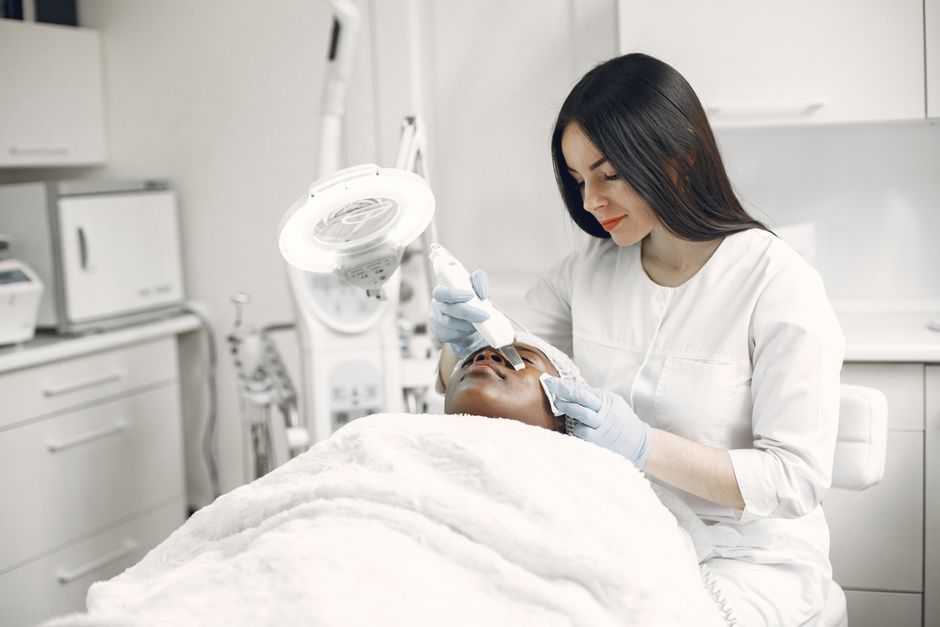
1. Why Juvelook Is Everywhere in Korean Clinics Right Now
Korean dermatology has long been at the forefront of injectable skin treatments — from foundational PDRN (polynucleotide) therapies to next-generation skin boosters. Juvelook sits at an interesting intersection of these two worlds, and that’s a big part of why it’s generating so much attention.
Korean dermatologists have been increasingly focused on what practitioners call natural regeneration — treatments that work with the skin’s own biology rather than simply filling or freezing. This philosophy, combined with growing patient demand for subtle, gradual improvement rather than dramatic overnight change, has made Juvelook an appealing option for a wide range of patients.
According to coverage in Korean health media, dermatologists have highlighted Juvelook as part of a broader trend toward anti-aging treatments that prioritize skin quality over structural alteration. At international dermatology exchanges between Korean and Japanese skin specialists — two of the world’s most active aesthetic medicine communities — treatments like Juvelook have featured prominently in discussions around next-generation skin regeneration protocols.
Put simply: it’s trending because it fits what modern patients are asking for — healthier-looking skin, achieved through a mechanism that feels both science-backed and aesthetically restrained.
2. How Juvelook Works — The Science in Plain English
Juvelook is an injectable treatment that combines two active components working in tandem:
- PDRN (Polydeoxyribonucleotide) — a DNA-derived compound extracted from salmon sperm DNA (a well-established ingredient in Korean aesthetic medicine). PDRN has been studied for its ability to activate tissue repair pathways, support wound healing, and stimulate collagen synthesis at a cellular level.
- PDLLA (Poly-D,L-Lactic Acid) microspheres — biodegradable microspheres that act as a slow-release collagen stimulator. Over time, they gradually dissolve in the skin, triggering a controlled inflammatory response that encourages the body to produce new collagen around them.
Think of it this way: PDRN is the immediate skin nourisher — feeding cellular repair processes and improving hydration — while PDLLA microspheres are the long-term architects, scaffolding new collagen production over weeks and months.
Why This Combination Matters
Previous collagen stimulators (like standalone poly-L-lactic acid treatments) were effective but sometimes produced inconsistent results if not administered precisely. By pairing PDLLA with PDRN, Juvelook may offer a dual benefit: relatively quicker improvements in skin texture and hydration alongside the slower, sustained collagen-building effect. Korean dermatologists have noted that this combination aims to produce results that appear gradual and natural — the kind of improvement where people notice you look “well-rested” rather than “done.”
How It’s Delivered
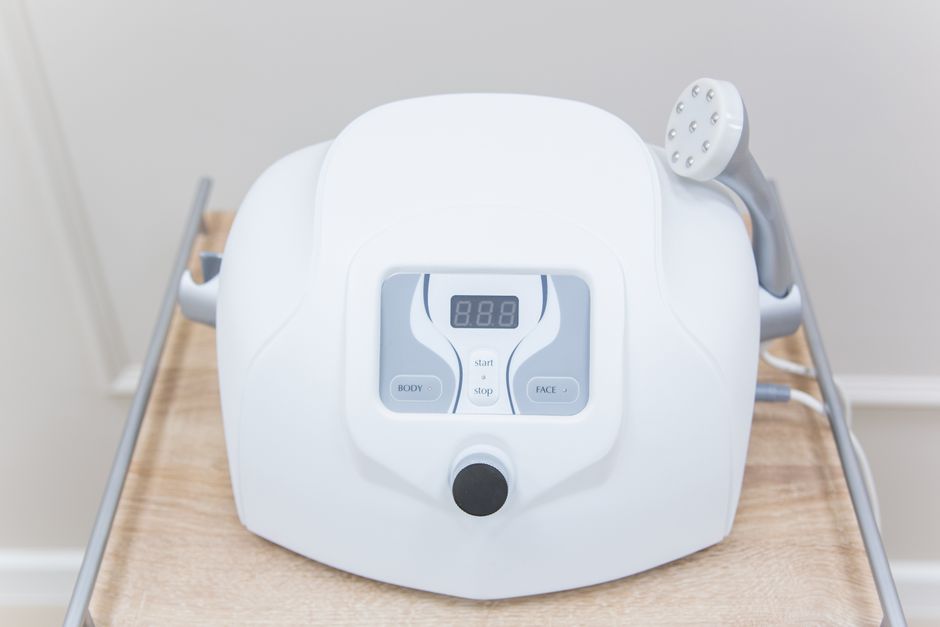
Juvelook is administered via microinjections — very fine needles deliver the solution into the mid-to-deep dermis, the layer of skin where collagen-producing fibroblasts live. The injection technique can vary: some practitioners use a serial puncture method; others use a cannula or a combination approach. The exact technique is typically chosen based on the treatment area and the individual’s skin condition.
3. Results & Longevity — Realistic Expectations
This is where it’s important to be honest: Juvelook is not an instant-gratification treatment. Results build gradually, which is precisely what makes them look natural.
What May Improve
- Overall skin texture and smoothness
- Fine lines, particularly on thinner skin areas (under-eye, perioral zone)
- Skin hydration and plumpness
- Skin tone evenness and radiance
- Superficial acne scarring texture (results vary significantly)
- Early signs of skin laxity
Timeline of Results
| Timeframe | What You May Notice |
|---|---|
| Immediately after | Slight swelling, possible redness, minor bumps at injection sites |
| 1–2 weeks | Initial hydration boost; skin may feel smoother |
| 4–8 weeks | PDLLA microspheres begin stimulating collagen; gradual texture improvement |
| 3–6 months | More visible collagen remodeling; improved skin quality and firmness |
| 6–12 months+ | Peak collagen stimulation effects; results may last beyond the 12-month mark |
How Many Sessions Are Typically Recommended?
Most Korean dermatology protocols suggest a series of 2–4 sessions, spaced approximately 4 weeks apart, for initial treatment. The number of sessions will depend on the individual’s skin concerns, age, baseline collagen levels, and the specific areas being treated. Your dermatologist will tailor the plan during consultation — which is why, as Korean health media emphasizes, a thorough pre-treatment consultation is crucial.
Maintenance sessions (typically once or twice a year) may be recommended to sustain results after the initial series.
4. Who It Suits — And Who Should Skip It
Potentially Good Candidates
- Adults in their late 20s to 50s noticing early to moderate signs of aging (fine lines, loss of radiance, mild laxity)
- Those with dull, dehydrated, or textured skin seeking overall quality improvement
- People wanting gradual, natural-looking results rather than dramatic transformation
- Individuals with superficial acne scarring looking to improve texture (results vary)
- Those who prefer a treatment with a relatively low visual downtime
- Skin types across the spectrum — Korean dermatologists report use across diverse skin tones, though individual suitability should always be assessed
Who Should Approach With Caution or Skip
- Pregnant or breastfeeding individuals — not recommended
- Those with active skin infections, open wounds, or inflammatory acne in the treatment area
- Individuals with a known allergy to any component of the formulation
- People with autoimmune conditions affecting wound healing or collagen — consult your physician first
- Those on blood thinners or certain medications — increased bruising risk; discuss with your doctor
- Anyone expecting immediate, dramatic changes — this is a gradual treatment
- Those with severe volume loss or deep structural aging — Juvelook may be complementary but is unlikely to fully address these concerns alone
Practical tip: If you’re traveling to Korea specifically for this treatment, factor in recovery time before any important events or flights. More on that below.
5. The Procedure Step by Step — Consultation to Aftercare
Step 1: Consultation
A quality dermatology consultation for Juvelook should include a thorough skin assessment, discussion of your concerns and goals, review of your medical history, and a clear explanation of how many sessions are recommended for your specific situation. Korean health media explicitly highlights that a personalized treatment plan — not a one-size-fits-all approach — is what separates good outcomes from disappointing ones. Don’t skip this step or rush it.
Step 2: Pre-Treatment Preparation
Your provider will typically advise you to:
- Avoid blood-thinning supplements (fish oil, vitamin E, aspirin if not medically necessary) for several days prior
- Come in with clean, makeup-free skin
- Avoid alcohol in the 24–48 hours before treatment
- Disclose any recent treatments (laser, filler, etc.) so timing can be assessed
Step 3: Numbing
A topical numbing cream is typically applied to the treatment area and left for 20–30 minutes. This significantly reduces discomfort during injection.
Step 4: The Injection
The actual injection process usually takes 20–40 minutes depending on the number of areas treated. The most common treatment areas include the face (cheeks, forehead, under-eye area, perioral zone) and sometimes the neck or décolletage. Multiple small microinjections are placed across the target area.
Step 5: Immediate Post-Treatment Care
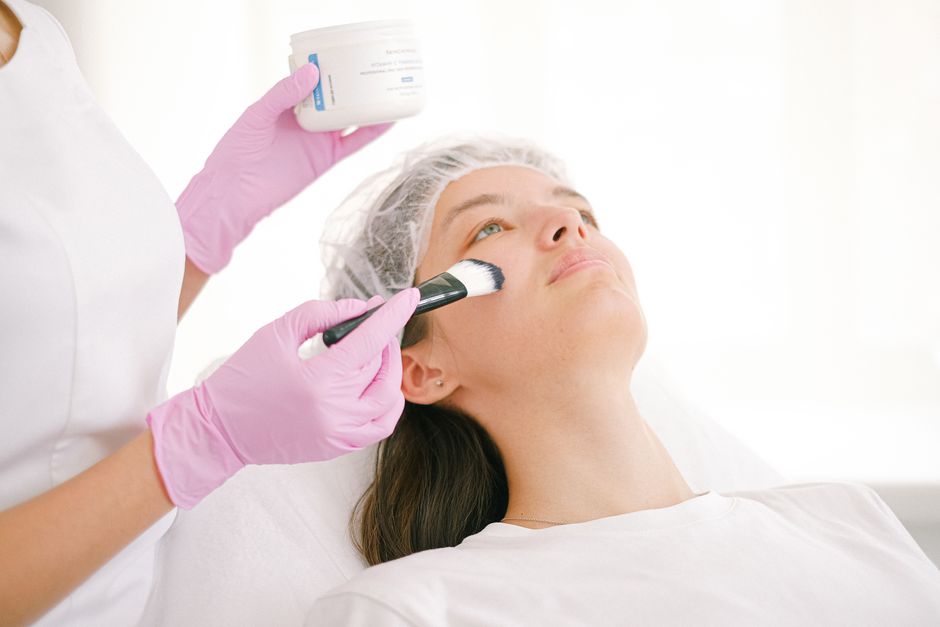
After injections, the practitioner may gently massage the area or apply soothing serums and SPF. You’ll receive aftercare instructions before leaving. Some clinics apply LED therapy or cooling masks to minimize initial redness and swelling.
6. Recovery & Precautions — What to Expect and Avoid
Typical Recovery Timeline
| Days Post-Treatment | Common Experiences | What to Do |
|---|---|---|
| Day 0–1 | Redness, minor swelling, small bumps at injection sites, possible slight bruising | Ice pack (wrapped in cloth), gentle cleansing, SPF, rest |
| Days 2–3 | Swelling subsides for most; some bruising may remain | Continue sun protection; avoid pressure on face |
| Days 4–7 | Most visible side effects resolve; skin may feel slightly firm | Resume normal gentle skincare routine |
| Week 2+ | Skin appears more rested; PDLLA microspheres begin working | Schedule next session if planned |
What to Avoid After Treatment
- Intense heat exposure (saunas, steam rooms, very hot showers) for at least 48–72 hours
- Strenuous exercise for 24–48 hours — increased circulation can worsen swelling and bruising
- Alcohol for 24–48 hours post-treatment
- Active skincare ingredients (retinoids, AHAs, BHAs) for approximately one week — your practitioner will advise specifically
- Touching, rubbing, or pressing the treated area unnecessarily
- Sun exposure without SPF — post-treatment skin is more sensitive; diligent SPF use is essential
- Makeup — typically advised to wait at least 12–24 hours
When to Contact Your Practitioner
While side effects are generally mild and temporary, contact your provider if you experience:
- Persistent or worsening redness beyond 72 hours
- Unusual pain, significant asymmetrical swelling
- Signs of infection (warmth, discharge, fever)
- Visible hard lumps that don’t resolve after several weeks
7. Typical Price Range
Pricing for Juvelook in Korea varies depending on the region, the practitioner’s experience level, the number of vials used, and the extent of the treatment area. As a general reference for international visitors planning a treatment trip:
| Treatment Scope | Approximate USD Range (Per Session) |
|---|---|
| Single area (e.g., under-eye or cheeks only) | ~$150 – $300 USD |
| Full face treatment | ~$250 – $500 USD |
| Full face + neck | ~$350 – $600+ USD |
| Package deals (3–4 sessions) | Often offered at a reduced per-session rate; ranges vary widely |
Note: These are approximate ranges based on general market reporting for Korean dermatology treatments and are intended only as a budgeting reference. Actual pricing depends on numerous factors and will be confirmed during your consultation. Always obtain a clear breakdown of costs — including the number of vials and sessions — before committing to any treatment plan.
Red flag to watch for: If pricing seems unusually low or a provider is reluctant to explain what’s included, ask detailed questions. Transparent clinics will clearly explain vial quantities, session numbers, and any additional fees.
8. Frequently Asked Questions
Q1: Is Juvelook the same as a regular PDRN skin booster?
Not exactly. While Juvelook contains PDRN, it also includes PDLLA microspheres — the collagen-stimulating component. Standard PDRN skin boosters (like Rejuran Healer) focus primarily on tissue repair and hydration through polynucleotides alone. Juvelook’s PDLLA component adds a longer-term collagen scaffolding effect, making it a hybrid of a skin booster and a collagen stimulator. They’re complementary but distinct treatments.
Q2: Does it hurt?
Most patients describe the sensation as mild to moderate discomfort — similar to other microinjection treatments. With topical numbing cream applied beforehand, the majority of patients find it very manageable. Sensitivity varies by individual and treatment area (the under-eye zone, for example, tends to be more sensitive).
Q3: Can Juvelook be combined with other treatments?
Yes, and Korean dermatologists often discuss it as part of a broader skin treatment protocol. It may be combined with laser treatments, other skin boosters, or toxin injections — but timing and sequencing matters. Your dermatologist should assess what combinations are appropriate for your skin and goals. Never mix treatments on your own initiative; always follow professional guidance.
Q4: How is Juvelook different from fillers?
Juvelook is a collagen stimulator and skin regenerator, not a volumizing filler. Hyaluronic acid fillers add immediate structural volume to specific areas (like nasolabial folds or lips). Juvelook works by stimulating the skin’s own collagen production over time, improving overall skin quality rather than directly adding volume. The two can sometimes be used together, but they serve different purposes.
Q5: Is it safe for all skin tones?
Juvelook is an injectable, not a laser, so the risk of post-inflammatory hyperpigmentation (a concern with some energy-based treatments for darker skin tones) is not a primary issue. However, as with any injectable, individual assessment is important. Discuss your full skin history and any concerns about scarring or hyperpigmentation with your practitioner during consultation.
Q6: I’m planning a trip to Korea specifically for this treatment — how much time should I allow?
If you’re doing a single session as part of a broader trip, allow at least 3–5 days after treatment before any important events (dinners, photoshoots, presentations). Most visible side effects resolve within a week. If you’re planning a full treatment series, note that sessions are typically spaced 4 weeks apart, which may require multiple visits or a longer stay.
Q7: How long do results last?
This varies by individual, but the collagen stimulation effects from PDLLA may support skin quality improvements for 12 months or longer. Many practitioners recommend annual or semi-annual maintenance sessions to sustain results. Lifestyle factors — sun protection, skincare routine, smoking, diet — can significantly influence how long improvements are maintained.
9. Conclusion — Your Pre-Decision Checklist
Juvelook represents a thoughtful evolution in Korean aesthetic medicine: a treatment that asks patients to trust a gradual process rather than demand instant results. For the right candidate, that patience may be well rewarded with skin that simply looks and feels healthier — which is arguably the most sustainable form of aesthetic improvement.
Before you decide, run through this checklist:
- ☐ I have realistic expectations — I understand this is a gradual treatment and results build over weeks to months
- ☐ I’ve researched the science — I understand what PDRN and PDLLA do and how they work together
- ☐ I’ve identified a qualified, board-certified dermatologist — not a spa or unlicensed provider
- ☐ I’ve scheduled a proper consultation — not just a booking; a real conversation about my skin and goals
- ☐ I’ve disclosed my full medical history — including medications, allergies, and recent treatments
- ☐ I’ve received a clear treatment plan — number of sessions, vials, areas, and total cost
- ☐ I’ve planned my recovery time — especially important if traveling internationally for the treatment
- ☐ I’ve asked about aftercare — and I understand what to avoid and for how long
- ☐ I know the signs of complications — and I have contact information for my provider if something doesn’t seem right
- ☐ I’m committed to sun protection — protecting the investment with daily SPF is non-negotiable
Korean dermatology’s strength has always been its emphasis on skin health as a long-term practice rather than a single dramatic fix. Juvelook embodies that philosophy — and approaching it with the same mindset may give you the best chance of being genuinely happy with what you see in the mirror, gradually and authentically.
Disclaimer: This article is for informational purposes only and is not medical advice. Always consult a board-certified professional before any procedure.