Ultherapy in Korea: The Science-Backed Lifting Treatment Taking K-Beauty Clinics by Storm
Walk into almost any mid-to-upscale dermatology clinic in Seoul’s Gangnam district — or Apgujeong, Sinsa, or even the medical strips of Busan — and you’ll spot the word 울쎄라 (Ultherapy) prominently displayed on treatment menus and window decals. It sits alongside other beloved Korean clinic staples like Thermage and Rejuran, but Ultherapy has carved out a particularly loyal following among both Korean women in their late 30s and 50s and the growing wave of international visitors flying in specifically for K-beauty procedures.
So why all the buzz? And more importantly, is it worth it? In this guide, we break down everything you need to know — the science, the realistic expectations, who it genuinely suits, what the procedure actually feels like, and how to approach a consultation intelligently.
Let’s start with the basics and work our way to the details that most articles skip entirely.
1. Why Ultherapy Is Everywhere in Korean Clinics Right Now
Korea’s dermatology culture has long prioritised preventive and maintenance-based skincare over reactive treatment. The cultural concept of 동안 (dong-an) — meaning a face that looks younger than its actual age — has driven decades of innovation and patient demand for non-invasive lifting procedures.
Ultherapy fits this philosophy almost perfectly. It’s the only device cleared by the U.S. FDA specifically for non-invasive lifting of the brow, chin, and neck, and for improving lines and wrinkles on the décolletage. That regulatory pedigree carries significant weight in a market where patients are highly informed and clinics compete intensely on credibility.
But beyond the regulatory stamp, a few trends are converging to make Ultherapy particularly prominent right now:
- Post-pandemic demand: Years of mask-wearing followed by mask removal accelerated awareness of lower-face laxity, and patients are seeking solutions for jowls and jawline definition.
- AI-assisted personalisation: Korean clinics are increasingly integrating AI skin diagnosis tools that map tissue depth and skin quality metrics, allowing practitioners to customise the number of “shots,” transducer depths, and energy levels on a patient-by-patient basis — rather than applying a one-size-fits-all protocol.
- Data-driven reputation: Leading Korean dermatology groups have been publishing internal outcome data and refining their protocols based on accumulated patient results, which feeds a cycle of word-of-mouth recommendation.
- Medical tourism growth: International visitors, particularly from Southeast Asia, China, and increasingly the West, are incorporating Ultherapy into their Korea itineraries because clinic density and practitioner experience in Seoul is exceptionally high.
The treatment has moved from “luxury option” to “standard maintenance procedure” in Korean clinic culture — which tells you something meaningful about patient satisfaction rates.
2. How Ultherapy Works — The Science in Plain English
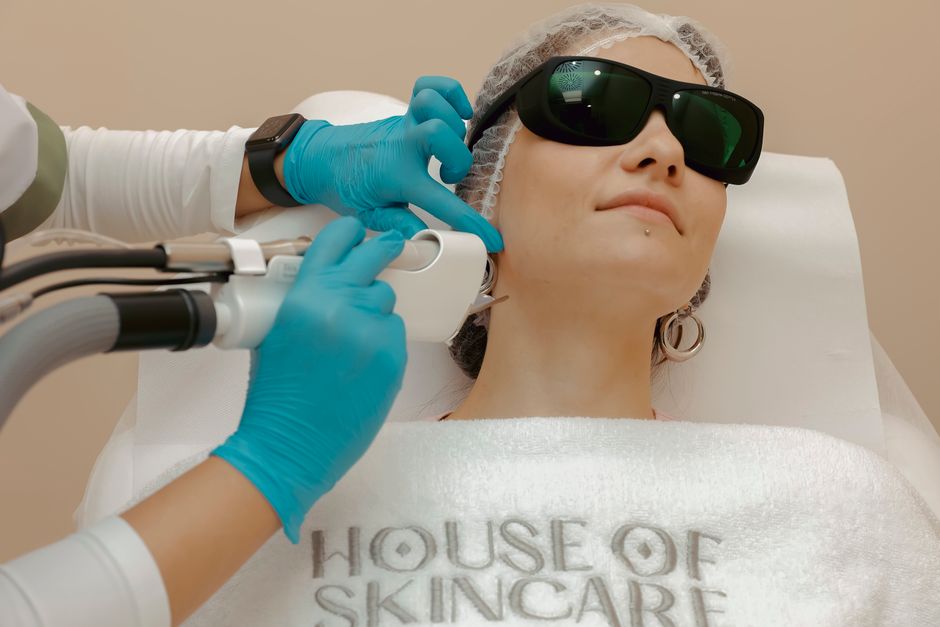
Ultherapy uses micro-focused ultrasound with visualisation (MFU-V). If that sounds technical, the core idea is actually quite elegant: focused sound waves are directed to precise depths beneath the skin’s surface, generating controlled heat at specific target points without damaging the skin above them.
The Three Key Depths
The device delivers energy at three primary tissue depths using different transducer cartridges:
| Depth | Target Tissue | Primary Effect |
|---|---|---|
| 1.5 mm | Superficial dermis | Skin texture and fine surface lines |
| 3.0 mm | Deep dermis | Collagen remodelling, skin firmness |
| 4.5 mm | SMAS layer (superficial musculoaponeurotic system) | Structural lifting — the layer surgeons target in facelifts |
That third depth — 4.5 mm reaching the SMAS — is what distinguishes Ultherapy from many superficial energy devices. The SMAS is the fibromuscular layer that connects your facial muscles to the overlying skin. Surgeons manually tighten this layer during a surgical facelift. Ultherapy creates small, precise thermal coagulation points (called thermal coagulation zones or TCZs) within this tissue, triggering the body’s natural wound-healing and collagen-synthesis response.
The Visualisation Advantage
What separates Ultherapy from older, “blind” ultrasound devices is its real-time ultrasound imaging. The practitioner can see the tissue layers on screen as they work, confirming that energy is being deposited at the correct depth — not accidentally targeting bone, nerves, or superficial vessels. This imaging capability is one reason Korean practitioners and their patients place considerable trust in the technology.
The Collagen Cascade
The thermal injury triggers a biological repair sequence:
- Controlled heat damage signals fibroblasts (collagen-producing cells) to activate.
- New collagen (primarily Type I and Type III) is synthesised over weeks to months.
- Existing collagen fibres contract and reorganise, producing a gradual tightening effect.
This is why results appear slowly — and why patience is genuinely required after the procedure.
3. Results and Longevity — Realistic Expectations
This is where honest conversation matters most, because Ultherapy is frequently oversold and patients arrive with surgical-result expectations from a non-surgical device.
What Ultherapy May Improve
- Mild to moderate skin laxity on the face and neck
- Softening of jowls and jawline blurring
- Brow position (mild lift)
- Neck and décolletage texture
- Overall skin firmness and density
What It Is Unlikely to Address
- Significant volume loss (this is a lifting device, not a filler)
- Deep folds like nasolabial folds (other modalities are better suited)
- Severe or advanced skin laxity that has a surgical threshold
- Pigmentation or vascular concerns
Timeline and Longevity
| Timeframe | What’s Happening |
|---|---|
| Day 1–4 weeks | Little visible change; collagen synthesis is beginning internally |
| 1–3 months | Gradual improvement becomes noticeable; skin feels firmer |
| 3–6 months | Peak results for most patients |
| 6–12 months | Results plateau; maintenance begins to wane |
| 12–18 months | Most patients consider a repeat session at this stage |
Most Korean clinic protocols recommend one session per year for maintenance, though patients with faster metabolic collagen turnover or more advanced laxity may benefit from sessions every 9–12 months. Some clinics offer a “booster” approach with a lighter follow-up session at 6 months.
Important note on “shot counts”: Korean medical media has highlighted an important shift in how leading clinics approach Ultherapy. The number of shots (energy delivery points) is frequently used as a marketing metric — clinics advertising “600 shots,” “800 shots,” and so on. However, credible practitioners increasingly emphasise that the quality and placement of shots matters more than sheer quantity. An inappropriately high shot count at the wrong tissue depth may deliver disappointing or uneven results. When evaluating clinics, ask how protocols are customised, not simply how many shots are included.
4. Who It Suits — and Who Should Skip It
Ideal Candidates
- Age range: Typically 30s–60s, with mild to moderate (not severe) laxity
- Skin type: All Fitzpatrick skin types — unlike laser procedures, ultrasound energy carries no melanin-related risk, making it well-suited to the broader range of Asian skin tones commonly seen in Korean clinics
- Concern: Jawline softening, neck laxity, brow drooping, general loss of facial definition
- Preference: Those seeking a non-surgical option with no significant downtime
- Timing: People who can wait 3–6 months to see peak results (not suitable if you need fast results for an event)
Who Should Approach With Caution or Skip Entirely
- Patients with open skin lesions, active acne, or infections in the treatment area
- Those with metal implants, surgical mesh, or pacemakers — the ultrasound energy contraindications must be reviewed by a physician
- Patients with very thin skin or significant volume loss — without adequate subcutaneous tissue, energy delivery is less predictable and risk of nerve proximity increases
- Those with severe skin laxity — expectations need to be managed carefully; a surgical consultation may be more appropriate
- Patients with a history of facial nerve conditions
- Pregnant or breastfeeding individuals
- Anyone with undiagnosed lumps or masses in the target area — these must be assessed first
The growing use of AI-based skin analysis tools in Korean clinics is particularly valuable here: by objectively assessing skin thickness, fat layer depth, and tissue quality prior to treatment, practitioners can better identify patients who may not respond optimally and adjust or decline treatment accordingly.
5. The Procedure Step by Step
Step 1: Consultation and Skin Analysis
A thorough consultation should precede any booking. In higher-tier Korean clinics, this now frequently incorporates AI skin diagnostic imaging, which maps tissue depth, skin density, and structural characteristics across different facial zones. This data informs the treatment plan — specifically which transducer depths will be used in which areas, and the targeted shot distribution.
Step 2: Pre-Treatment Preparation
On the day of treatment, the skin is cleansed and a topical numbing cream (usually containing lidocaine) is applied and left for 30–60 minutes. Most clinics will also photograph your face at multiple angles for before-and-after comparison — this is standard practice and useful for your own records.
Step 3: The Treatment Itself
Ultrasound gel is applied to the skin. The practitioner moves the Ultherapy transducer across the treatment zones systematically, guided by the real-time ultrasound imaging on the device screen. Each “shot” takes a fraction of a second and delivers a precise point of focused energy. You will likely feel a warm, prickling, or sharp sensation during energy delivery — this varies considerably by zone and individual pain tolerance. The neck and bony areas tend to be more uncomfortable; the cheeks generally less so.
A typical full-face treatment takes approximately 60–90 minutes. Smaller zone treatments (neck only, lower face only) may take 30–45 minutes.
Step 4: Immediate Aftercare
Soothing serums or calming masks are typically applied post-procedure. Most clinics will provide printed aftercare instructions. Redness and slight swelling are normal and usually resolve within a few hours.
6. Recovery and Precautions
One of Ultherapy’s key selling points is minimal social downtime, but “minimal” doesn’t mean “none.” Here’s a realistic breakdown:
Immediate Post-Procedure (Day 1–3)
- Flushing and mild redness — typically resolves within hours
- Swelling, particularly under the chin and along the jawline — usually subsides within 24–48 hours
- Occasional tingling, tenderness, or a “bruised” sensation in treated areas — can last several days
- Small welts or bumps in isolated areas — rare, usually resolves quickly
First Two Weeks
- Temporary numbness or altered sensation is possible and usually self-resolves
- Avoid intensive facial massage or manual manipulation of treated areas
- Use SPF 30+ daily — sun protection is essential during the healing and collagen-remodelling phase
- Keep skincare gentle: skip active ingredients (retinoids, AHAs, BHAs) for at least one week
What to Avoid
| Avoid | Duration |
|---|---|
| Direct sun exposure without SPF | Ongoing (especially 4 weeks post-treatment) |
| Saunas, hot baths, intense exercise | 48–72 hours |
| Exfoliating acids and retinoids | 5–7 days minimum |
| Facial massage, guasha, RF tools at home | 2 weeks |
| Other energy-based treatments | Discuss with your practitioner (typically 4–6 weeks) |
If you are travelling to Korea specifically for this treatment, plan for at least 2–3 days of buffer time before any important events or social engagements, though most people look presentable within 24–48 hours.
7. Typical Price Range
Pricing in Korean dermatology clinics for Ultherapy varies considerably based on the number of zones treated, the shot count, the practitioner’s seniority, and the clinic’s positioning. The following represents approximate ranges for guidance only.
| Treatment Scope | Approximate USD Range |
|---|---|
| Partial zone (e.g., neck only or lower face only) | $400 – $800 |
| Full face (standard protocol) | $800 – $1,800 |
| Full face + neck (comprehensive) | $1,200 – $2,500 |
| Premium/AI-customised protocol, full face + neck | $2,000 – $3,500+ |
These ranges are meaningfully lower than comparable Ultherapy pricing in the US, UK, or Australia, which is one reason Korean medical tourism for this procedure continues to grow. However, price alone should never be the primary decision factor. Practitioner experience, device authenticity (counterfeit or non-calibrated Ultherapy handpieces exist in some markets), and consultation quality matter significantly to outcomes.
A word on “packages”: Many Korean clinics offer combination packages pairing Ultherapy with Thermage, Rejuran injections, or skin booster treatments. These can be cost-effective if they are genuinely tailored to your concerns — but question any clinic that applies the same combination package to every patient without individual assessment.
8. FAQ — Your Questions Answered
Q1: Is Ultherapy painful?
Pain tolerance varies significantly between individuals and across treatment zones. Most patients describe the sensation as a series of brief, sharp prickling or deep warmth sensations during energy delivery. The bony areas of the face (temples, jawbone, chin) and neck tend to be more uncomfortable. Topical numbing cream substantially reduces discomfort, and some Korean clinics offer optional oral analgesics. It is generally manageable rather than severely painful, but setting honest expectations is important — it is not a pain-free treatment.
Q2: How many sessions will I need?
Most patients complete one session and then evaluate results at the 3–6 month mark before deciding on a maintenance schedule. Unlike many laser treatments, a single Ultherapy session is typically the unit of treatment. Those with more significant laxity or who are seeking cumulative improvement may benefit from annual sessions over 2–3 years, as new collagen production compounds with each treatment cycle.
Q3: Can Ultherapy be combined with other treatments?
Yes, and combination approaches are popular in Korean clinics. Commonly paired treatments include Thermage (which targets collagen from a radiofrequency mechanism), hyaluronic acid fillers (for volume restoration), Rejuran (for skin quality), and skin boosters. The timing of these combinations matters — your practitioner should sequence treatments appropriately to avoid over-stressing tissue. Always disclose all planned treatments during your consultation.
Q4: Will I see results immediately?
Immediately after the procedure, some patients notice a slight tightening sensation, but this is largely transient post-treatment swelling and initial tissue response. Genuine structural results from new collagen synthesis take time — typically 1–3 months before any noticeable improvement, and peak results at 3–6 months. Anyone promising you dramatic immediate results from Ultherapy alone should be questioned.
Q5: How do I know if a clinic is using a genuine Ultherapy device?
This is a genuinely important question. The authentic Ultherapy system is manufactured by Merz Aesthetics. Ask your clinic for documentation of their device registration and when the transducer cartridges were last certified — cartridge integrity matters significantly to energy delivery accuracy. Reputable Korean clinics are generally transparent about this. Be cautious of unusually low pricing that seems too far below market ranges, as this can sometimes indicate uncalibrated or non-genuine equipment.
Q6: I’ve heard the results can look uneven. Is this true?
Uneven results are possible and are most often linked to inconsistent shot placement, inappropriate depth selection for the individual patient’s tissue anatomy, or applying a rigid protocol rather than customising to the individual. This is precisely why the shift toward AI-assisted diagnosis and data-informed protocols in Korean clinics is meaningful: objective tissue mapping before treatment may improve placement accuracy and reduce the risk of patchy outcomes.
Q7: Can Ultherapy be done on all ethnicities?
Yes. Because Ultherapy uses focused ultrasound rather than light or laser energy, there is no melanin-based risk — it is equally applicable across all skin tones and Fitzpatrick types. This makes it particularly well-suited to the diverse skin tones seen among patients in Korean clinics, from domestic Korean patients to international visitors from Southeast Asia, South Asia, the Middle East, and beyond.
9. Conclusion — Your Pre-Booking Checklist
Ultherapy is a legitimate, well-studied non-invasive lifting treatment with a meaningful evidence base. In the hands of experienced Korean dermatologists using calibrated equipment and individualised protocols, it may offer gradual but noticeable improvements in skin firmness and facial contour. It is not a substitute for surgery at advanced laxity stages, and it rewards patience — you are investing in a biological process that takes months to reveal itself.
Before you book — especially if you’re travelling to Korea — use this checklist:
✅ Pre-Booking Checklist
- ☐ Is the clinic using a certified, genuine Ultherapy device with up-to-date transducer cartridges?
- ☐ Will a board-certified dermatologist (피부과 전문의) or trained specialist perform your consultation?
- ☐ Does the clinic offer a pre-treatment skin analysis — ideally with imaging or AI diagnostic tools?
- ☐ Is the protocol individualised (depth selection, shot distribution, energy levels) rather than a fixed package for everyone?
- ☐ Has the practitioner reviewed your medical history, current medications, and any contraindications?
- ☐ Have you received realistic before-and-after examples relevant to your age group and concern level?
- ☐ Do you understand the realistic timeline — 3–6 months for peak results?
- ☐ Have you received written aftercare instructions?
- ☐ Do you have a follow-up plan, even if you’re travelling internationally? (Email-based follow-up is offered by some Korean clinics for overseas patients)
- ☐ Are you prepared for the realistic discomfort level of the procedure?
Korean dermatology’s strength lies not just in access to advanced technology, but in the clinical culture of rigorous consultation and protocol refinement. Ask the right questions, give yourself realistic expectations, and Ultherapy may prove a worthwhile addition to your long-term skin maintenance strategy.
Disclaimer: This article is for informational purposes only and is not medical advice. Always consult a board-certified professional before any procedure.