Laser Toning in Korea: The Science Behind Melasma & Pigmentation Treatment — And How Many Sessions You Actually Need
Walk into almost any dermatology clinic on a busy Seoul street — Gangnam, Apgujeong, or Hongdae — and you’ll find 레이저토닝 (laser toning) listed prominently on the menu board. It’s one of the most requested skin treatments in Korea right now, favored by people in their 20s chasing an even glow and by those in their 40s tackling stubborn melasma that just won’t budge with skincare alone. If you’re planning a skin-care trip to Korea — or simply want to understand what your Korean friends are booking every month — this guide breaks down everything you need to know, plainly and honestly.
1. Why Laser Toning Is Everywhere in Korean Clinics Right Now
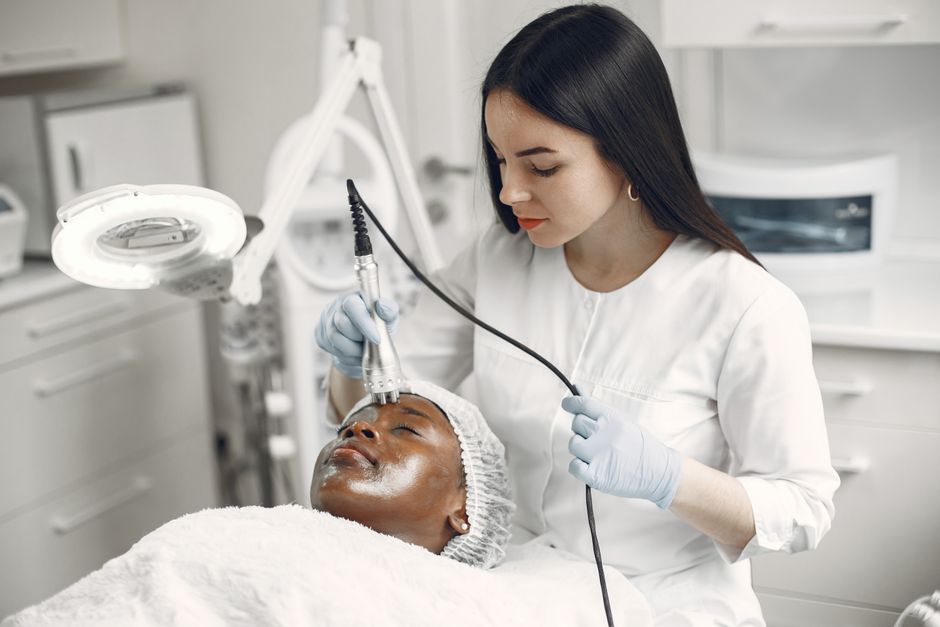
Korea has one of the world’s most sophisticated dermatology clinic cultures. Routine in-clinic skin maintenance is normalized the same way monthly haircuts are in other countries. Within that culture, laser toning has risen to the top of the popularity charts for several interconnected reasons:
- Melasma is extremely common among East Asian skin types (Fitzpatrick III–V), and laser toning was specifically refined to address it safely on deeper skin tones — a demographic often underserved by more aggressive laser protocols.
- Zero downtime makes it compatible with busy urban lifestyles. Patients book a lunchtime session and return to the office.
- The “glass skin” aesthetic — luminous, even-toned, poreless-looking skin — has become a globally recognized K-beauty standard, and laser toning is a primary clinical tool for achieving it.
- Technology advances have made the devices more precise. Platforms like the RevLite (Q-switched Nd:YAG) — which Korean sources such as Medisobi Consumer News highlight as a go-to for toning protocols — offer sub-millisecond pulse delivery that targets pigment without thermally damaging surrounding tissue.
- It’s affordable relative to many Western markets, making regular maintenance sessions financially practical.
The result is a treatment that fits neatly into Korea’s philosophy of prevention and maintenance rather than crisis management — do a little, often, and age gracefully.
2. How Laser Toning Works — The Science in Plain English
The Core Principle: Selective Photothermolysis (Turned Down)
Most people know that lasers work by targeting pigment with light energy. Laser toning uses this same principle — called selective photothermolysis — but with a crucial modification: the energy is deliberately delivered at a lower fluence (power density) than traditional Q-switched laser treatments.
Here’s what that means in practice:
- The laser emits ultra-short pulses of 1064 nm wavelength light (standard for Nd:YAG-based toning lasers). This wavelength penetrates deeply into the dermis while being relatively safe for melanin-rich skin.
- Melanin in pigmented cells absorbs the energy. Melanin — the pigment responsible for dark spots, melasma patches, and uneven tone — is a very efficient absorber of 1064 nm light.
- The absorbed energy breaks melanin granules apart in a process called photoacoustic fragmentation. At low fluence, this is a gentle shattering — not explosive destruction — which is why surrounding tissue stays largely undamaged.
- Fragmented melanin particles are small enough for the body’s lymphatic system and macrophages (immune cells) to gradually clear them away over days to weeks.
- Repeated gentle stimulation is also thought to downregulate melanocyte activity — essentially sending a signal that reduces the production of new pigment over time, not just clearing existing deposits.
Why Low Fluence Matters for Melasma Specifically
Melasma is notoriously tricky because the melanocytes (pigment-producing cells) that cause it are hyperactive but fragile. High-energy laser treatments can paradoxically trigger a rebound — the thermal stress causes inflammation, which signals melanocytes to produce even more pigment. This is called post-inflammatory hyperpigmentation (PIH) and it’s a major risk on darker skin tones.
Laser toning’s low-fluence approach is specifically designed to stay below the inflammation threshold — improving pigmentation gradually without triggering that rebound cycle.
Think of it this way: a high-energy laser is a sledgehammer; laser toning is a series of precise, gentle taps. Slower, but far less likely to cause collateral damage.
3. Results & Longevity — What to Realistically Expect
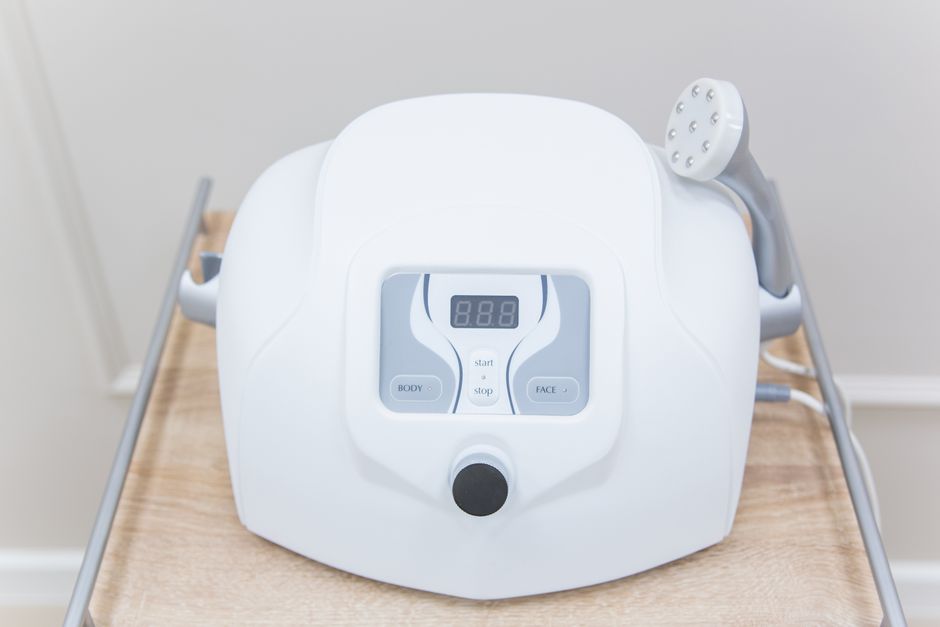
How Many Sessions Do You Need?
This is the question every patient asks first, and the honest answer is: it depends — on your skin type, the type and depth of pigmentation, your sun exposure habits, and how your individual melanocytes respond. That said, Korean dermatology practice has established some general benchmarks:
| Concern | Typical Session Range | Session Interval |
|---|---|---|
| Mild uneven tone / dullness | 4–6 sessions | 2–3 weeks |
| Moderate sun spots / freckles | 6–10 sessions | 2–3 weeks |
| Melasma (superficial) | 10–15 sessions | 1–2 weeks |
| Melasma (deep / mixed) | 15–20+ sessions, ongoing maintenance | 2–4 weeks |
| Maintenance (post-improvement) | 1 session/month | Monthly |
What Results May Look Like Over Time
- After 3–5 sessions: Skin may appear brighter and more even. Some lighter spots may visibly fade.
- After 8–12 sessions: Melasma patches may show measurable reduction. Overall tone improvement is often noticeable to others.
- After completing a course: Many patients report that foundation use decreases as confidence in bare skin increases.
How Long Do Results Last?
This is where laser toning differs from some more aggressive treatments: results are not permanent. Melasma in particular has a strong genetic and hormonal component. Sun exposure, stress, and hormonal changes (pregnancy, contraceptives) can cause recurrence. Most Korean dermatologists recommend:
- Monthly maintenance sessions once target improvement is achieved
- Daily broad-spectrum SPF 50+ sunscreen — non-negotiable
- Prescription topicals (e.g., tranexamic acid, niacinamide, or physician-prescribed brighteners) between sessions
4. Who It Suits — And Who Should Skip It
Great Candidates ✅
- Fitzpatrick skin types III–V (medium to deeper tones) — laser toning was essentially refined for this group
- People with melasma, age spots, sun damage, or general uneven tone
- Those seeking a gradual, low-risk brightening effect
- Patients who cannot tolerate downtime
- Anyone wanting a maintenance protocol to preserve previous results
Approach With Caution or Skip ⚠️
- Active tan: Tanned skin has elevated baseline melanin, which may increase PIH risk. Most practitioners advise waiting 4–6 weeks after significant sun exposure.
- Pregnancy and breastfeeding: Generally avoided due to hormonal complexity and limited safety data for this period specifically.
- Active skin infections or open wounds in the treatment area.
- History of keloid scarring — though laser toning’s low fluence carries minimal risk, disclose this to your provider.
- Certain medications: Photosensitizing drugs (some antibiotics, retinoids, certain antidepressants) may require a treatment pause. Always disclose your full medication list.
- Very fair skin with purely vascular concerns (redness, rosacea) — other wavelengths may be more appropriate.
5. The Procedure Step by Step — Consultation to Aftercare
Step 1: Consultation
A board-certified dermatologist (피부과 전문의) will examine your skin, often under a Wood’s lamp or dermatoscope to assess pigment depth. They’ll discuss your concerns, review your medical history and medications, and recommend a treatment plan. This is the most important step — a good consultation should feel thorough, not rushed.
Step 2: Skin Prep
On the day of treatment, you’ll remove all makeup. A gentle cleanse is performed. Topical anesthetic cream is usually not required for laser toning (one of its gentler aspects), though some clinics offer it for patient comfort.
Step 3: Eye Protection
Both you and the practitioner will wear appropriate laser-grade eye shields. This is non-negotiable safety protocol — never skip it or allow it to be skipped.
Step 4: The Laser Pass
The handpiece is moved across the treatment area in a systematic pattern. Most patients describe the sensation as a series of warm, quick snaps — like a tiny rubber band flicking the skin. A full-face treatment typically takes 10–20 minutes. Multiple passes at varying angles are often performed to ensure even coverage.
Step 5: Immediate Post-Treatment Care
A soothing sheet mask or cooling gel is typically applied immediately after. The skin may appear slightly pink for 30–60 minutes. Most patients leave the clinic with no visible sign of treatment.
Step 6: At-Home Aftercare Instructions
Your provider will give specific aftercare instructions (see Section 6 below). Follow them exactly.
6. Recovery & Precautions — The Timeline and What to Avoid
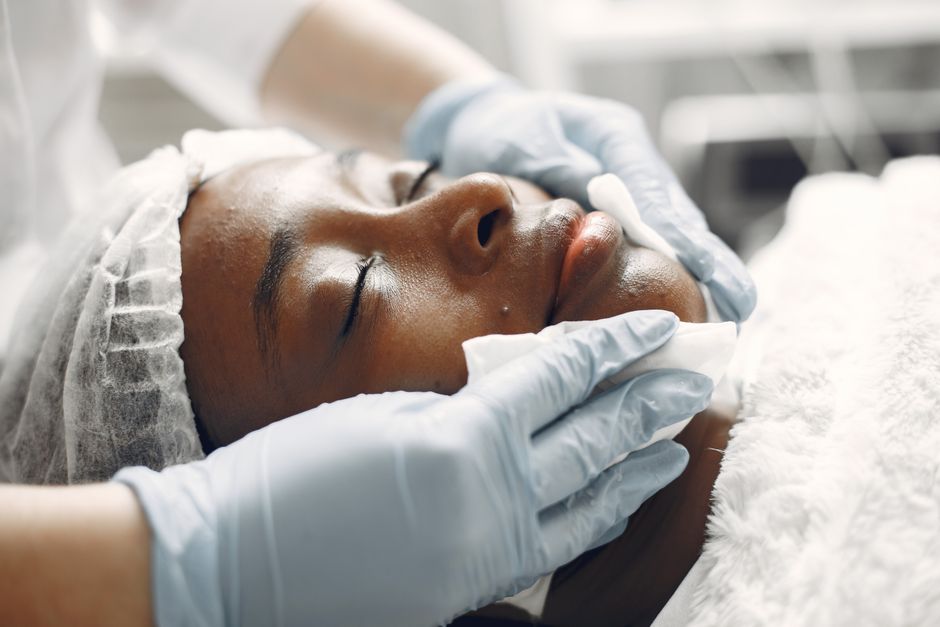
One of laser toning’s greatest selling points is its forgiving recovery profile. Here’s a general timeline:
| Timeframe | What to Expect | What to Do / Avoid |
|---|---|---|
| Day 0 (treatment day) | Mild redness, slight warmth, possible minor swelling | Apply gentle moisturizer; avoid makeup for the rest of the day |
| Days 1–2 | Skin may feel slightly sensitive or dry | Gentle, fragrance-free cleanser only; apply SPF 50+ every 2 hours outdoors |
| Days 3–7 | Pigmented spots may temporarily look slightly darker before fading | Do NOT pick or exfoliate; continue diligent sun protection |
| Week 2 onward | Progressive brightening may become visible | Resume normal skincare; retinoids typically paused for at least 1 week post-treatment |
The Golden Rules of Post-Laser Toning Aftercare
- Sunscreen is everything. UV exposure is the number one enemy of your results. SPF 50+, PA++++, broad spectrum — every single day, rain or shine, reapplied every two hours outdoors.
- Don’t scratch, pick, or exfoliate treated areas in the first week, even if minor flaking occurs.
- Avoid saunas, intense heat, and vigorous exercise for 24–48 hours post-treatment (heat increases inflammation risk).
- Keep skin hydrated with simple, non-irritating moisturizers. Now is not the time for active ingredients.
- Pause prescription actives (retinoids, AHAs, BHAs) for as long as your provider advises — typically 5–7 days minimum.
- Report anything unusual — significant blistering, prolonged redness beyond 48 hours, or darkening that worsens rather than resolves. These warrant a follow-up visit.
7. Typical Price Range
Pricing for laser toning in Korea varies based on the clinic’s location, the specific device used, the size of the treatment area, and whether the session is part of a package. The figures below are approximate general ranges for informational purposes only and do not reflect any specific clinic’s pricing.
| Treatment Scope | Approximate Range (USD) | Notes |
|---|---|---|
| Single full-face session (Korea) | $30–$100 USD | Varies widely by device and clinic tier |
| Package of 10 sessions (Korea) | $200–$700 USD | Packages often offer 20–30% savings vs. single sessions |
| Single full-face session (US/UK/Australia) | $150–$400 USD equivalent | Western markets typically price significantly higher |
Practical notes for medical tourists:
- Many Korean clinics offer English-speaking consultants or translation services for international patients — confirm this in advance.
- If purchasing a multi-session package, ensure you have enough days in Korea to complete at least the initial 3–4 sessions, or clarify package transfer/refund policies before paying.
- Be cautious of unusually low prices with no proper consultation — a board-certified dermatologist overseeing your treatment is worth the cost.
8. Frequently Asked Questions
Q1: Does laser toning hurt?
Most patients describe it as mildly uncomfortable — a series of quick, warm snapping sensations. The majority of people tolerate it well without any anesthetic. If you have a low pain threshold, ask your provider about a short-wait topical numbing cream.
Q2: Can I combine laser toning with other treatments?
Yes — Korean dermatology clinics frequently combine laser toning with complementary treatments. For example, it is commonly paired with procedures targeting different concerns (skin texture, pores, or vascular redness) using different devices. However, combination protocols should always be planned by a qualified dermatologist based on your individual skin assessment. Never assume combinations are automatically safe without professional guidance.
Q3: Will my melasma come back after laser toning?
Melasma is a chronic condition with genetic and hormonal drivers. Laser toning may significantly reduce its appearance, but without diligent sun protection and maintenance sessions, recurrence is common. Think of it as management, not a cure.
Q4: Is laser toning safe for darker skin tones?
Laser toning using low-fluence 1064 nm Nd:YAG technology was specifically developed with darker skin tones (Fitzpatrick III–V) in mind and has a well-established safety profile for these skin types when performed correctly. However, “correctly” is key — the practitioner must calibrate settings appropriately. This is another reason why choosing a board-certified dermatologist matters.
Q5: How soon can I wear makeup after laser toning?
Most providers recommend waiting at least 12–24 hours before applying makeup to allow the skin barrier to settle. Mineral-based makeup with SPF is often the gentlest first option to reintroduce.
Q6: I’m visiting Korea for two weeks. Is it worth starting laser toning?
Two weeks allows for 2–3 sessions if spaced correctly (most clinics can accommodate 7–10 day intervals for the first few sessions). You may see some initial brightening. However, for melasma specifically, meaningful improvement typically requires a longer course. Short visits are better suited to using sessions as a “jumpstart” that you continue at home — confirm whether equivalent devices and protocols are available through a dermatologist in your home country before investing in a large Korean package.
Q7: What’s the difference between laser toning and regular Q-switched laser treatment?
Both use Q-switched Nd:YAG technology, but the energy settings differ significantly. Standard Q-switched treatments use higher fluence to ablatively remove specific lesions (like individual spots or tattoos). Laser toning uses lower fluence for a gentler, cumulative approach across the whole face — trading speed for safety, especially on the melanin-reactive skin types prone to PIH.
9. Conclusion — Your Pre-Decision Checklist
Laser toning is one of the most thoughtfully developed treatments in modern Korean dermatology — designed from the ground up for the skin types and pigmentation concerns most common in East Asia, and refined over years of clinical practice. It may be a genuinely useful tool in your skin health toolkit, but like all cosmetic procedures, it works best when chosen deliberately and managed carefully.
Before you book your first session — in Korea or anywhere else — work through this checklist:
✅ Pre-Laser Toning Checklist
- ☐ Consult a board-certified dermatologist (피부과 전문의 in Korea) — not an aesthetician or non-physician practitioner.
- ☐ Disclose all medications and supplements, including hormonal contraceptives, antibiotics, and any skin actives you use at home.
- ☐ Ask specifically about your skin type and pigmentation type — superficial vs. deep vs. mixed melasma responds differently.
- ☐ Request a realistic session estimate for your specific concern — be wary of vague or overly optimistic timelines.
- ☐ Clarify the device being used and confirm the treating practitioner is qualified to operate it.
- ☐ Understand the aftercare commitment — especially the daily SPF requirement.
- ☐ Plan your sun exposure — avoid significant tanning for 4–6 weeks before treatment and commit to sun protection throughout your course.
- ☐ If buying a package in Korea as a tourist, clarify the cancellation/refund policy and whether sessions can be transferred.
- ☐ Set realistic expectations — laser toning is a gradual process. Dramatic overnight transformation is not what this treatment promises.
- ☐ Ask about complementary topicals — a good dermatologist will often recommend brightening agents to use between sessions for synergistic results.
Korea’s dermatology culture thrives on consistency, patience, and science-backed maintenance — and laser toning embodies all three. Approach it with the same mindset, and it may become one of the most worthwhile additions to your long-term skin health routine.
Disclaimer: This article is for informational purposes only and is not medical advice. Always consult a board-certified professional before any procedure.