Thermage FLX in Korea: The Science Behind Radiofrequency Lifting & Whether It’s Right for You
Walk into almost any mid-to-high-end dermatology clinic in Seoul’s Gangnam district — or anywhere from Myeongdong to Busan — and you’ll spot the same name on the menu board: 써마지 FLX (Thermage FLX). It’s been called the gold standard of non-invasive lifting in Korean aesthetic medicine, and for good reason. In a country where “glass skin” and age-defying results are practically a cultural institution, Thermage FLX has earned a reputation as the go-to treatment for patients who want real structural results without going under the knife.
But with glowing clinic reviews sitting right next to skeptical forum posts, it can be hard to know what’s true. Does it actually work? How long do results last? Is the cost worth it? And most importantly — is it the right treatment for you?
This guide breaks it all down: the real science, the realistic expectations, the full procedure experience, and the practical information you need before booking a consultation in Korea.
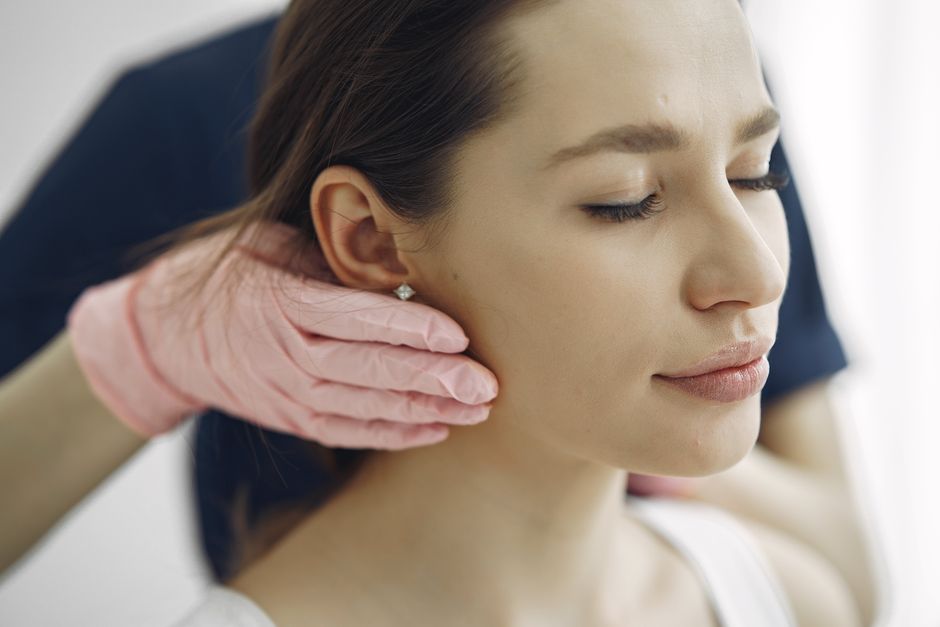
1. Why Thermage FLX Is Everywhere in Korean Clinics Right Now
Korea’s dermatology industry is one of the most competitive and innovation-driven in the world. Clinics constantly update their technology, and patients are highly informed — they research treatments thoroughly before walking through the door. In this environment, a treatment has to genuinely deliver to stay relevant.
Thermage FLX has done exactly that. According to Korean dermatology media, including coverage in Boken Sinmun (보건신문), Thermage is consistently cited by dermatologists as one of the most effective non-invasive facial lifting procedures currently available. The FLX version — the latest generation of the original Thermage platform — introduced significant upgrades: a redesigned tip with 4D vibration technology to reduce discomfort, a larger treatment tip for faster coverage, and an improved algorithm that delivers radiofrequency (RF) energy more uniformly.
Several factors explain its current surge in popularity:
- Zero downtime: Patients can return to work immediately, which suits Korea’s busy urban lifestyle.
- Single-session efficacy: Unlike laser regimens requiring monthly visits, many patients see results from one session annually.
- Deep tissue action: It addresses structural laxity — not just surface texture — which differentiates it from lighter treatments like LED or superficial peels.
- A strong medical evidence base: Multiple peer-reviewed studies support its collagen-stimulating mechanism.
- Medical tourism appeal: International visitors to Korea increasingly include dermatology appointments in their itineraries, drawn by competitive pricing relative to the US or Europe and the high technical skill level of Korean dermatologists.
In short, Thermage FLX sits at a sweet spot: clinically credible, practically convenient, and aligned with Korean beauty culture’s preference for subtle, natural-looking results over dramatic surgical transformations.
2. How It Works: The Science in Plain English
The Core Mechanism: Radiofrequency Energy & Collagen Remodeling
To understand Thermage FLX, you need to understand two things: what radiofrequency energy is, and what collagen does for your skin.
Collagen is the protein scaffolding that keeps skin firm, taut, and structured. As we age — typically starting in our mid-to-late twenties — collagen production slows, existing collagen fibers break down, and the skin begins to lose its structural support. This is what causes sagging jawlines, deepening nasolabial folds, and that general “relaxed” look that we associate with aging.
Radiofrequency (RF) energy is a form of electromagnetic energy that, when directed into tissue, generates heat through molecular friction. Unlike laser energy — which is absorbed by specific chromophores like melanin or hemoglobin — RF energy is colorblind. It heats tissue regardless of skin tone, which is one reason Thermage FLX is considered suitable for a wide range of skin types.
Here’s what happens at the biological level during a Thermage FLX treatment:
- Controlled heating: The device delivers monopolar RF energy through a treatment tip pressed against the skin. This heat penetrates to the dermis and subcutaneous tissue — depths of up to approximately 4.3mm, depending on the tip used.
- Immediate collagen contraction: At temperatures between roughly 65–75°C within the target tissue, collagen fibers undergo denaturation — they contract and tighten immediately. This produces the subtle “instant lift” some patients notice right after treatment.
- Neocollagenesis (new collagen growth): The controlled thermal injury triggers the body’s wound-healing response. Fibroblast cells — the factories that produce collagen — are stimulated to generate fresh, organized collagen over the following months.
- Surface cooling: Simultaneously, the treatment tip delivers cryogen cooling to the epidermis (the outer skin layer), protecting the surface while the deeper layers are heated. This dual-action approach is central to Thermage’s safety profile.
What Makes the FLX Version Different?
| Feature | Original Thermage / CPT | Thermage FLX |
|---|---|---|
| Vibration technology | None | 4D vibration (AccuREP™) — reduces perceived pain |
| Treatment tip size | Smaller tip | Larger tip — up to 33% faster treatment time |
| Energy delivery algorithm | Fixed algorithm | Optimized algorithm — more uniform energy distribution |
| Total treatment shots | Varies | 900–1,200 shots per full-face session (typical) |
| Comfort level | Moderate to high discomfort reported | Generally more tolerable; occasional strong heat sensations |
Monopolar vs. Other RF Technologies
It’s worth noting that Thermage uses monopolar RF — meaning energy travels from a single treatment tip down through the body to a grounding pad placed elsewhere (typically on the patient’s back or thigh). This allows energy to penetrate significantly deeper into tissue compared to bipolar RF devices, which work between two electrodes placed close together and stay at shallower depths. The depth advantage is a key reason monopolar RF like Thermage is associated with more structural lifting, while bipolar devices tend to address surface-level concerns.
3. Results & Longevity: What to Realistically Expect
This is where honest expectation-setting matters most, because patient reviews online range from “life-changing” to “I noticed nothing.” The reality, as always, is more nuanced.
Immediate vs. Long-Term Results
- Immediately after: Some patients notice mild immediate tightening (from initial collagen contraction), though this is subtle and not universal.
- 1–3 months post-treatment: The collagen remodeling process is underway; early improvements in skin firmness and texture may become visible.
- 3–6 months: This is typically when peak results may become apparent, as new collagen matures and reorganizes in the deeper skin layers.
- 6 months onward: Results may continue or gradually plateau; maintenance becomes a consideration.
How Many Sessions?
Thermage FLX is generally marketed as a single-session treatment, repeated annually. This distinguishes it from many laser protocols that require 3–6 monthly sessions. Most Korean dermatologists recommend one full-face session per year for maintenance, though individual recommendations will vary based on age, skin laxity, and personal goals.
How Long Do Results Last?
Results may last anywhere from 1 to 2 years in ideal candidates, though this varies considerably. Factors influencing longevity include:
- Age and baseline skin laxity at time of treatment
- Lifestyle factors (sun exposure, smoking, diet, sleep quality)
- Skincare maintenance post-treatment
- Natural rate of individual aging
A candid note from Korean dermatology discussions: results tend to be most impressive in patients aged roughly 35–55 with early-to-moderate skin laxity. Those with very advanced sagging may find the improvement modest compared to surgical options, while very young patients with minimal laxity may have limited room for visible change.
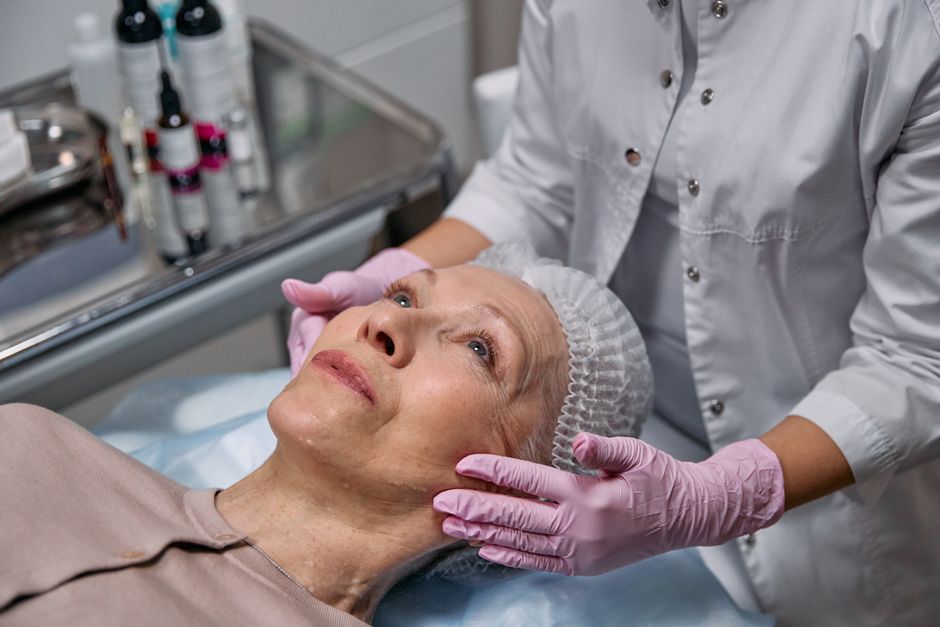
4. Who It Suits — and Who Should Skip It
Ideal Candidates
| Factor | Well-Suited Profile |
|---|---|
| Age range | Typically 35–60; early-to-moderate skin laxity |
| Skin tone | All Fitzpatrick skin types (I–VI) — RF is not pigment-dependent |
| Primary concern | Mild-to-moderate facial sagging, jawline softening, nasolabial folds, brow position, neck laxity |
| Lifestyle | No downtime available; prefers single annual treatment |
| Goal | Subtle, natural improvement; preventive anti-aging |
| Skin type | Any — dry, oily, combination, sensitive (with physician assessment) |
Who Should Approach with Caution or Skip Entirely
- Those with implanted electronic devices: Pacemakers, cochlear implants, or any internal electronic device — RF energy may interfere.
- Those with metal implants in the treatment area: Metal plates, screws, or certain fillers (discuss with your doctor).
- Active skin infections, open wounds, or severe inflammatory acne in the treatment zone.
- Pregnant or breastfeeding individuals: Thermage is not recommended during pregnancy.
- Those with very advanced skin laxity: Significant sagging may respond better to surgical intervention (facelift, thread lift) or a combination approach.
- Individuals with certain connective tissue disorders: Requires careful physician evaluation.
- Unrealistic expectations: If you are expecting surgical-level results from a non-invasive procedure, this treatment may disappoint.
Important: Always disclose your full medical history, any recent cosmetic procedures (including fillers, Botox, or other RF/laser treatments), and all medications to your consulting dermatologist. This allows for proper timing and treatment customization.
5. The Procedure Step by Step: Consultation to Aftercare
Step 1: Consultation
A thorough consultation is the foundation. Your dermatologist will assess your skin laxity, discuss your goals, review contraindications, and determine the appropriate treatment tip, energy settings, and number of shots. Ask about the physician’s experience with Thermage FLX specifically — operator skill significantly influences outcomes.
Step 2: Pre-Treatment Preparation
- Skin is cleansed thoroughly and any makeup or sunscreen removed.
- A grounding pad is attached to your back or thigh.
- A treatment grid (temporary tattoo-like template) may be placed on the face to guide treatment coverage.
- Topical numbing cream may be applied (practice varies; some clinics use it, some don’t, depending on patient preference and energy levels used).
Step 3: The Treatment Session
The practitioner methodically moves the treatment tip across the mapped grid, delivering RF pulses. A full-face session typically takes 45–90 minutes with the FLX platform. You will feel warmth, occasionally intense heat, and may notice a slight vibration from the AccuREP™ technology. The cooling spray activates with each pulse to protect the skin surface. Discomfort is generally described as manageable — a 4–6 out of 10 on a typical pain scale — though individual sensitivity varies. Communicate openly with your practitioner if any pulse feels excessively hot.
Step 4: Immediate Post-Treatment
After the session, your skin will typically appear slightly pink or flushed — similar to mild sunburn. This usually resolves within a few hours. A soothing moisturizer and SPF are applied before you leave the clinic.
Step 5: Aftercare at Home
- Apply a gentle, hydrating moisturizer consistently for the first week.
- Use broad-spectrum SPF 30+ daily — sun protection is especially important during the healing period.
- Avoid harsh exfoliants, retinoids, and active-ingredient products for at least 5–7 days post-treatment (follow your clinic’s specific guidance).
- Stay well-hydrated and support skin recovery with a balanced diet.
6. Recovery & Precautions: The Realistic Timeline
One of Thermage FLX’s most appealing qualities is its minimal recovery profile. Here’s a general timeline:
| Timeframe | What to Expect | What to Avoid |
|---|---|---|
| Day 0–1 | Mild redness, slight puffiness, warmth in treated areas | Heavy exercise, hot saunas, alcohol, direct sun exposure |
| Days 2–5 | Redness fades; skin may feel slightly tight or sensitive | Harsh skincare actives (retinol, AHAs/BHAs), aggressive scrubbing |
| Week 1–2 | Skin returns to baseline; may feel firmer to the touch | Prolonged unprotected sun exposure; wear SPF daily |
| Month 1–3 | Gradual tightening may become noticeable | No major restrictions; maintain good skincare habits |
| Month 3–6 | Peak results may become visible | Continue SPF and hydration; consider follow-up consultation |
Red Flags to Watch For
While serious complications are uncommon when performed by a qualified professional, contact your clinic promptly if you experience:
- Persistent swelling or redness beyond 72 hours
- Blistering or significant skin texture changes
- Unusual pain or burning sensation developing after treatment
- Any signs of infection (increasing warmth, discharge, fever)
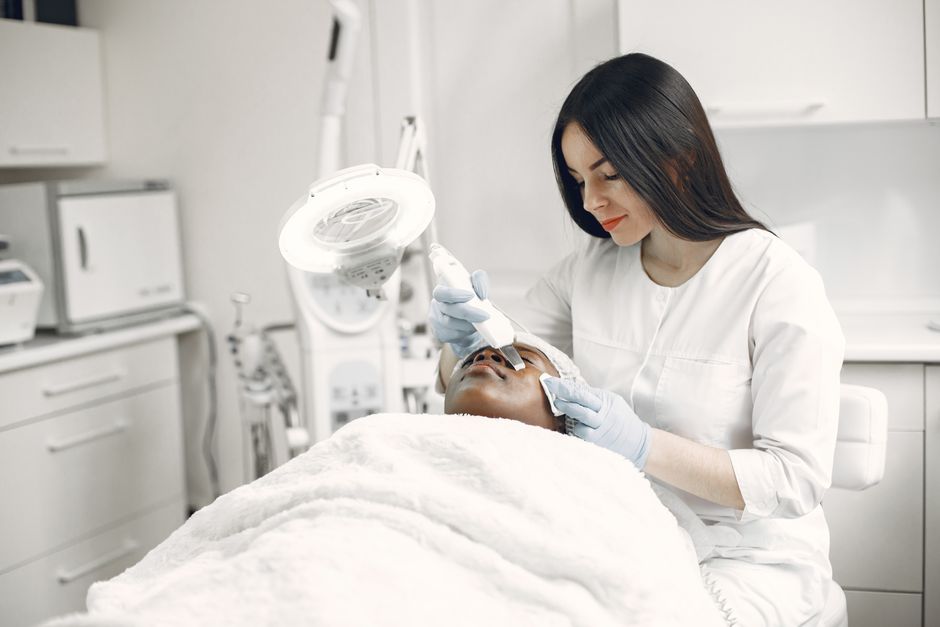
7. Typical Price Range
Pricing for Thermage FLX in Korea varies depending on the region, clinic tier, number of shots, and treatment areas covered. As a general ballpark for international patients planning a medical tourism visit:
| Treatment Area | Approximate USD Range (Korea) | Approximate USD Range (US/UK comparison) |
|---|---|---|
| Full face (900 shots) | $1,000 – $2,200 | $2,500 – $5,000+ |
| Full face + neck | $1,500 – $3,000 | $3,500 – $6,500+ |
| Eyes only (periorbital) | $400 – $900 | $1,000 – $2,500+ |
| Body (abdomen, thighs — per area) | $800 – $2,000 | $2,000 – $4,500+ |
Note: These are approximate ranges gathered from publicly available sources and general market data. Prices fluctuate and are not quoted from any specific clinic. Always confirm current pricing directly with your chosen provider during consultation. Be cautious of unusually low prices — they may reflect fewer shots, lower energy settings, or less experienced operators.
For international visitors, Korea’s pricing is generally significantly lower than equivalent treatments in North America or Western Europe, making it a meaningful consideration for medical tourism — though travel and accommodation costs should be factored into any budget calculation.
8. Frequently Asked Questions
Q1: Does Thermage FLX hurt?
Most patients describe the sensation as warm-to-hot pulses, occasionally intense, with a simultaneous cooling sensation. The FLX version’s vibration technology is specifically designed to reduce discomfort by creating sensory interference. Pain tolerance varies widely — some patients find it very manageable, others more challenging. Discuss pain management options (topical numbing, etc.) with your clinic beforehand.
Q2: Can I combine Thermage FLX with other treatments?
Combination treatments are popular in Korean dermatology. Thermage FLX is sometimes combined with Ultherapy (high-intensity focused ultrasound), thread lifts, or injectables like Botox and dermal fillers for complementary effects. However, timing matters — treatments should generally be spaced appropriately to avoid over-stressing the tissue. Your dermatologist will advise on an optimal sequence for your specific concerns.
Q3: Is Thermage FLX safe for darker skin tones?
This is one area where Thermage FLX has a genuine advantage. Because RF energy is not absorbed by melanin — unlike many laser technologies — it is considered generally suitable across all Fitzpatrick skin types, including darker tones (Types IV–VI). This is a meaningful reason for its popularity in Korea and across East Asia, Southeast Asia, and beyond. That said, all energy-based treatments carry some risk, and consultation with an experienced physician is essential regardless of skin tone.
Q4: How is Thermage FLX different from Ultherapy (HIFU)?
Both are non-invasive energy-based treatments targeting collagen remodeling, but they use different energy types and reach different tissue depths:
- Thermage FLX uses monopolar radiofrequency to heat a volumetric area of the dermis and subcutaneous fat layer, producing a global warming and tightening effect across a larger tissue volume.
- Ultherapy / HIFU uses high-intensity focused ultrasound to create precise focal points of thermal injury at specific depths, including the SMAS (superficial muscular aponeurotic system) layer — the same tissue layer addressed in surgical facelifts.
Many Korean clinics offer both and sometimes recommend combining them for addressing different tissue depths simultaneously. They are not interchangeable — your concerns and anatomy will guide the right recommendation.
Q5: How soon before a major event should I get Thermage FLX?
Because results develop gradually over 3–6 months, ideally schedule treatment at least 3–6 months before any event for which you want peak results. If you want any immediate tightening benefit (which is subtle), treatment 1–2 months before an event is sometimes considered, with the understanding that the best results are still to come. Avoid scheduling immediately before an event due to the temporary redness and swelling that may occur.
Q6: Will I need multiple sessions?
Thermage FLX is typically designed as a once-per-year treatment, not a multi-session course. However, some individuals — particularly those with more significant laxity or specific goals — may benefit from a follow-up session after reviewing results at 6 months. Your dermatologist will give personalized guidance.
Q7: Is the treatment different for the body vs. the face?
Yes. Thermage FLX is also used on body areas including the abdomen, thighs, buttocks, and arms, using a different (larger) body treatment tip. Body treatments typically require more shots and longer sessions. The principle is the same — RF-driven collagen remodeling — but results on body skin, which tends to be thicker, may differ in character from facial results.
9. Conclusion: Your Checklist Before Deciding
Thermage FLX is a well-established, scientifically supported non-invasive lifting treatment that has earned its prominent place in Korean dermatology for good reasons. But like any aesthetic procedure, it is not universally ideal — and the best results come from informed patients who choose it for the right reasons.
Before booking your session, run through this checklist:
✅ Pre-Treatment Decision Checklist
- ✔ Have you defined your concern clearly? Thermage FLX is best suited for mild-to-moderate laxity, not advanced sagging or surface texture issues alone.
- ✔ Are your expectations realistic? This treatment may improve firmness and contour subtly — it does not replicate surgical results.
- ✔ Have you researched the practitioner’s credentials? Board-certified dermatologist or plastic surgeon, with documented Thermage FLX experience, is what to look for.
- ✔ Did you disclose your full medical history? Including all prior procedures, medications, implants, and devices.
- ✔ Do you understand the timeline? Results develop over 3–6 months; plan accordingly.
- ✔ Have you asked about the number of shots included? More shots at appropriate energy levels generally mean more comprehensive treatment.
- ✔ Is the price in range — neither suspiciously cheap nor unexplained? Ask clinics to clarify exactly what is included.
- ✔ Are you prepared for the aftercare commitment? Daily SPF, gentle skincare, and follow-up consultations matter for optimal outcomes.
- ✔ Have you considered whether a combination approach might serve you better? Sometimes Thermage FLX works best as part of a broader treatment plan.
- ✔ If traveling to Korea for treatment — do you have a plan for post-treatment care back home? Identify a local dermatologist for follow-up before you travel.
Korean dermatology continues to lead the world in accessible, high-quality aesthetic innovation — and Thermage FLX is a strong example of why. With the right candidate, the right hands, and the right expectations, it may offer a meaningful, natural-looking improvement that aligns beautifully with the Korean philosophy of aging gracefully rather than dramatically.
Disclaimer: This article is for informational purposes only and is not medical advice. Always consult a board-certified professional before any procedure.