Juvelook Volume vs. Skin Booster: The Korean Dermatology Trend Explained
Walk into almost any dermatology clinic in Seoul, Busan, or Daegu right now and you will see it on the menu board: 쥬베룩 (Juvelook). It sits between traditional hyaluronic acid fillers and the newer generation of collagen-stimulating biostimulators — and that precise positioning is exactly why it has become one of the most talked-about injectables in Korean aesthetic medicine. But what actually separates Juvelook Volume from Juvelook Skin Booster? And why are dermatologists in Korea increasingly recommending them over older-generation boosters? This guide unpacks everything: the science, the realistic outcomes, who is a good candidate, what the procedure actually feels like, and what you should budget if you are planning a treatment during a trip to Korea.
Note: Everything below is informational. It is not medical advice, and outcomes vary significantly between individuals.
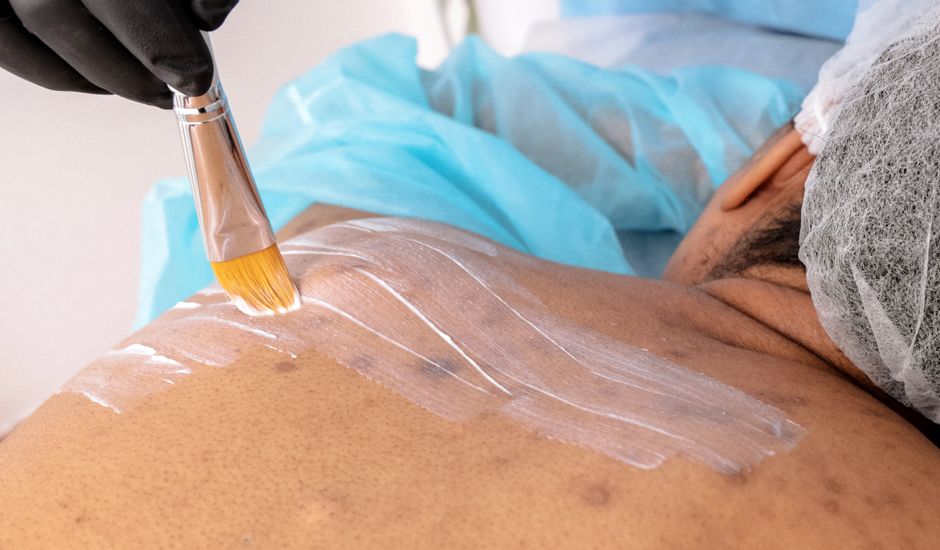
1. Why Juvelook Is Everywhere in Korean Clinics Right Now
Korean aesthetic medicine has always moved fast, but the rise of Juvelook reflects a broader philosophical shift in how Korean dermatologists are approaching skin aging. The conversation has moved away from “add volume here, erase a line there” toward something more foundational: improving the architecture of the skin itself.
Juvelook — developed by the Korean biopharmaceutical company Bloomage Korea — is a poly-D,L-lactic acid (PDLLA) and hyaluronic acid (HA) hybrid injectable. That combination is new territory. Traditional HA skin boosters hydrate and plump passively; traditional collagen stimulators like poly-L-lactic acid (PLLA) build structure but require patience and multiple sessions before visible change. Juvelook attempts to do both simultaneously, which is why it has generated serious clinical interest.
Social media amplified the conversation — particularly on Korean platforms — after a wave of dermatologists began sharing before-and-after imagery showing improvements in skin texture, pore appearance, and early volume loss without the tell-tale puffiness sometimes associated with dense HA fillers. International travelers to Korea, already accustomed to booking procedures alongside sightseeing, started adding Juvelook to their clinic itineraries. Demand followed supply: clinics trained practitioners and expanded their Juvelook menus, distinguishing between the two main formulations — Volume and Skin Booster — to match different patient needs.
The Two Formulations at a Glance
| Feature | Juvelook Volume | Juvelook Skin Booster |
|---|---|---|
| Primary purpose | Structural volume restoration | Hydration + texture refinement |
| PDLLA concentration | Higher | Lower |
| HA concentration | Moderate | Higher |
| Injection depth | Deeper (dermis to subcutaneous) | Superficial to mid-dermis |
| Ideal target area | Cheeks, temples, jawline | Full face, neck, décolletage |
| Results timeline | Gradual over 2–4 months | Quicker initial glow, building over weeks |
| Longevity (estimated) | 12–18 months | 6–12 months |
2. How It Works — The Science in Plain English
To understand why dermatologists are excited about Juvelook, it helps to understand what happens to skin as it ages. From your late twenties onward, collagen production slows, the dermis thins, and the fat pads that give a youthful face its contour begin to deflate and migrate downward. The result is not just “wrinkles” — it is a gradual loss of the scaffolding that keeps skin looking plump, smooth, and lifted.
The PDLLA Component: A Collagen Conversation Starter
Poly-D,L-lactic acid (PDLLA) is a synthetic, biocompatible polymer. When injected into the skin, it does not fill space the way a traditional hyaluronic acid filler does. Instead, its microspheres act as what scientists call a biostimulator — they trigger a controlled, low-grade inflammatory response in the dermis that signals fibroblast cells to begin producing new collagen. Over weeks and months, this new collagen gradually fills the treated area from within.
The key distinction from older collagen stimulators (like PLLA, used in products such as Sculptra) is the molecular structure. PDLLA degrades more uniformly and more predictably, which Korean dermatology researchers suggest may reduce the risk of the small nodules (papules) that occasionally occurred with first-generation PLLA products when mixed or injected incorrectly.
The HA Component: The Immediate Hydration Layer
Hyaluronic acid is hygroscopic — it attracts and binds water molecules. The HA in Juvelook provides an immediate plumping and hydrating effect that patients can often perceive within days. This is the “glow” that shows up early in patient photos. It also helps the PDLLA microspheres disperse more evenly through the tissue, potentially improving the uniformity of the collagen-stimulation effect.
Why the Hybrid Matters
The combination means you are effectively getting two mechanisms of action in a single treatment session: an immediate, hydration-driven improvement in skin quality, and a slower, structural improvement as new collagen forms. Korean dermatologists and sources from publications like Pharm News (팜뉴스) and Medi Consumer News (메디소비자뉴스) have highlighted this dual-action mechanism as what differentiates Juvelook from conventional skin boosters, which typically work only on the hydration axis.
According to clinical discussion reported in Korean medical media, Juvelook Volume, in particular, may penetrate as deeply as the fascia layer (근막층) in some application techniques — the connective tissue layer beneath the skin and subcutaneous fat — potentially allowing for improvements in areas of deeper structural laxity that superficial boosters cannot meaningfully address.
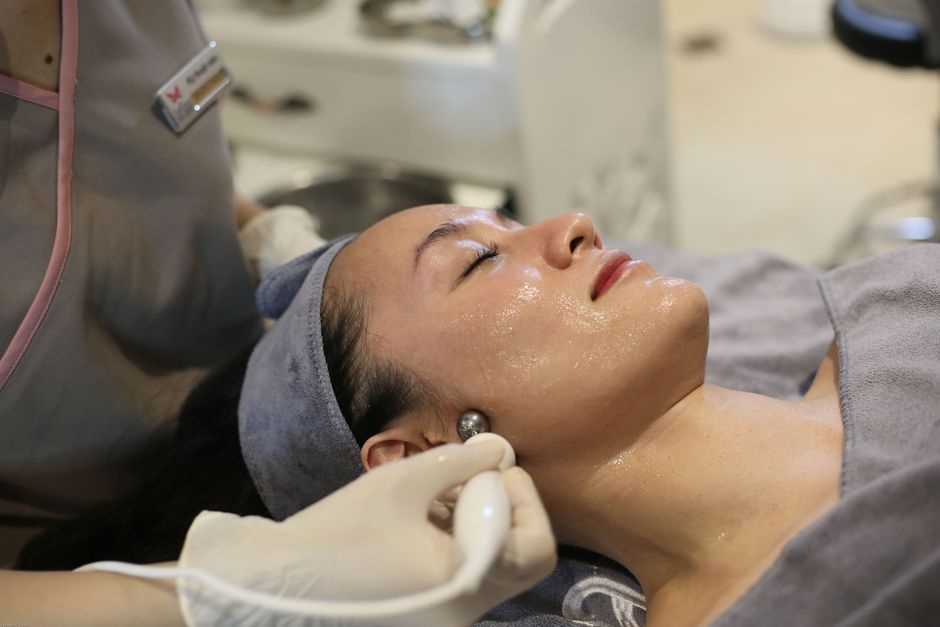
3. Results & Longevity — What to Realistically Expect
Honest expectation-setting is one of the most important conversations you can have with a practitioner before any injectable treatment. Here is a realistic framework:
What Juvelook May Improve
- Overall skin hydration and radiance (often within the first 1–2 weeks)
- Fine line appearance and skin texture
- Pore visibility (reduced by improved dermal support)
- Early-to-moderate volume loss in cheeks and temples (Volume formulation)
- Skin laxity and elasticity, as new collagen forms over time
- Neck and décolletage skin quality (Skin Booster formulation)
What It Is Unlikely to Address Significantly
- Severe, established volume loss or deep structural sagging
- Deep static wrinkles that require denser filler or surgical correction
- Pigmentation or vascular concerns (these require different treatment modalities)
Session Protocol
Most Korean dermatologists recommend an initial course of 2 to 3 sessions spaced approximately 4 weeks apart. The logic is cumulative: each session adds another layer of PDLLA stimulation, and the collagen built during one session supports the result of the next. Maintenance sessions are typically recommended every 6–12 months depending on which formulation was used and how the individual’s skin responds.
Longevity
Because collagen remodeling is a biological process that continues for months after injection, the best results from Juvelook Volume are often seen around the 3–4 month mark post-treatment — later than what patients accustomed to immediate HA fillers might expect. The Skin Booster formulation tends to show earlier visible improvement, though its longevity is somewhat shorter. Individual metabolism, age, lifestyle, and sun exposure all influence how long results may be maintained.
4. Who It Suits — and Who Should Skip It
Good Candidates
- Adults in their late 20s to 50s noticing early signs of collagen loss — loss of the “bounce” in skin, subtle hollowing, or increasing skin dullness
- People who want gradual, natural-looking improvement rather than immediate dramatic volume change
- Those with fine-to-moderate textural concerns, enlarged pores, or skin that photographs as “tired” even when they feel rested
- Patients who have had HA fillers and want a complementary treatment that works at the structural level
- Travelers to Korea doing a “skin reset” — Juvelook Skin Booster in particular is a popular choice for those seeking visible radiance improvement within a short stay, though it should be noted that the full collagen-stimulation benefit requires patience beyond your trip
Who Should Pause or Seek Extra Guidance
- Those who are pregnant or breastfeeding
- Anyone with active skin infections, cystic acne, or inflammatory skin conditions in the treatment area
- People with a history of keloid scarring or abnormal wound healing
- Those with autoimmune conditions — discuss thoroughly with both your specialist and your regular physician
- Anyone with very severe volume loss or significant facial sagging, for whom a biostimulator alone may not be sufficient
- People on blood thinners (increased bruising risk — always disclose medications)
Skin Type Considerations
| Skin Type / Concern | Recommended Formulation | Notes |
|---|---|---|
| Dehydrated / dull skin | Skin Booster | Higher HA concentration addresses hydration deficit quickly |
| Volume loss / hollow cheeks | Volume | Deeper placement, stronger collagen stimulus |
| Fine lines + texture | Skin Booster or combination | Some practitioners use both in a single session |
| Neck / décolletage aging | Skin Booster | Superficial injection technique suits delicate areas |
| Overall anti-aging maintenance | Both, staged | A structured plan from a qualified dermatologist is recommended |
5. The Procedure — Step by Step
Before You Arrive
- Avoid alcohol for at least 24–48 hours before your appointment (increases bruising risk)
- Stop taking aspirin, ibuprofen, fish oil, and vitamin E supplements for 5–7 days if your doctor approves (reduces bruising)
- Come with a clean, makeup-free face
- Bring a list of any medications, supplements, and any filler or injectable treatments you have had previously
Step 1: Consultation
A thorough consultation should precede any Juvelook treatment. The practitioner will assess your skin’s current condition, discuss your concerns and goals, determine which formulation (Volume, Skin Booster, or both) is appropriate, and outline a realistic treatment plan. This is the moment to ask every question you have — see the FAQ section below for a starting list.
Step 2: Topical Anaesthesia
A numbing cream (lidocaine-based, typically) is applied to the treatment area and left for 20–30 minutes. Most patients describe the injection discomfort as mild to moderate — more noticeable in bony areas like temples. Many Juvelook formulations also contain lidocaine, which further reduces discomfort during injection.
Step 3: Injection
The practitioner uses fine needles or, in some techniques, a blunt-tipped cannula to deliver the product. Injection patterns vary by formulation and target area — the Skin Booster is often delivered in a series of small, evenly spaced superficial injections across the face (a technique called “mesotherapy-style” delivery), while the Volume formulation may use fewer, deeper injection points. The entire injection phase typically takes 15–30 minutes.
Step 4: Post-Treatment Review
The practitioner will review the treatment area, apply cooling gel or ice packs to minimise immediate swelling, and provide aftercare instructions. You will likely see small wheals (raised bumps) at injection sites immediately after — these are normal and generally resolve within hours to a day.
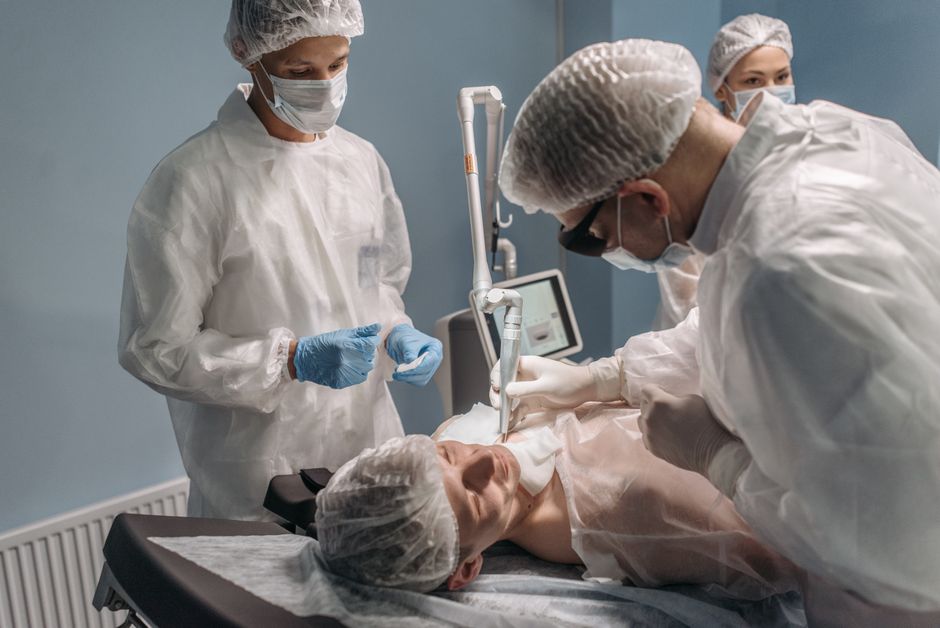
6. Recovery & Precautions — The Practical Timeline
Immediate (0–24 Hours)
- Expect redness, minor swelling, and small bumps at injection sites
- Bruising is possible, particularly around the eye area or temples
- Avoid touching, pressing, or massaging the treated area
- No makeup for the first 12–24 hours (follow your clinic’s specific guidance)
- Stay hydrated; avoid extreme heat (saunas, hot yoga, steam rooms)
Days 2–5
- Swelling and redness should largely resolve
- Any bruising typically fades over 5–7 days; arnica gel or cooling compresses may help
- Avoid strenuous exercise for 48–72 hours
- SPF is non-negotiable — UV exposure can affect both healing and long-term results
Weeks 2–4
- HA-driven improvements should be perceptible — skin may feel more hydrated and look more radiant
- PDLLA collagen stimulation is underway but not yet visible
- Attend your follow-up appointment if scheduled
Months 2–4
- Collagen remodeling continues; this is when the structural improvement from Juvelook Volume may become most apparent
- Photographs taken in good lighting are the best way to track change over time
Key Things to Avoid Post-Treatment
| What to Avoid | How Long |
|---|---|
| Alcohol | 48–72 hours |
| Strenuous exercise | 48–72 hours |
| Saunas / steam rooms / hot baths | 1 week |
| Direct, unprotected sun exposure | Ongoing (always use SPF) |
| Other facial injectables | Discuss timing with your practitioner |
| Active retinol or AHA use at injection sites | 3–5 days minimum |
7. Typical Price Range
Pricing for Juvelook treatments in Korean dermatology clinics varies depending on the clinic’s location (central Seoul versus smaller cities), the practitioner’s experience and specialisation, which formulation is used, how many vials are administered, and whether the treatment is combined with other procedures.
As a general reference for international visitors budgeting a treatment trip:
- Juvelook Skin Booster (single session): Approximately USD $150–$350 per session
- Juvelook Volume (single session): Approximately USD $200–$450 per session, reflecting the higher PDLLA concentration and often more complex injection technique
- Package deals (3-session courses): Many clinics offer package pricing that may reduce the per-session cost; a 3-session Skin Booster course might range from approximately USD $350–$800
These are approximate ranges only, intended to help with general financial planning. Actual pricing should always be confirmed directly with the clinic during consultation. Be cautious of pricing that seems significantly below these ranges, as it may indicate diluted product, insufficient vials, or limited practitioner experience. Equally, a high price does not automatically guarantee superior results.
A note for medical tourists: Factor in the cost of your consultation, any travel, accommodation, and the potential need for follow-up sessions. If you are visiting Korea for a short time, a Skin Booster session may offer visible early results; however, achieving the full benefit of either formulation’s collagen-building action will require follow-up sessions, which you may need to plan for upon return.
8. Frequently Asked Questions
Q1: Is Juvelook the same as a regular hyaluronic acid skin booster like Restylane Skinboosters or Profhilo?
Not exactly. Traditional HA skin boosters work primarily through hydration — they attract water to the dermis. Juvelook adds a PDLLA biostimulator component, which may encourage the skin’s own collagen production over time. This dual mechanism is the key distinction Korean dermatologists frequently cite. Profhilo, for comparison, uses a uniquely engineered “NAHYCO hybrid” HA with some bioremodelling properties, but its mechanism differs from the PDLLA combination found in Juvelook.
Q2: Will I see results right away?
You may notice some immediate skin hydration and a subtle plumping effect from the HA component within days. The collagen-stimulation effect of the PDLLA component, however, builds gradually over 2–4 months. Most patients describe the progression as a slow but satisfying improvement rather than an overnight transformation.
Q3: Can Juvelook be combined with other treatments?
Many Korean dermatologists do combine Juvelook with other procedures — for example, botulinum toxin injections for dynamic lines, laser treatments for pigmentation, or thread lifts for structural lifting. However, timing is important to avoid interference with the healing process. Your practitioner should design a sequenced treatment plan rather than doing everything at once.
Q4: Is there a risk of lumps or nodules?
Any injectable treatment carries the theoretical risk of lump formation. PDLLA-based products have been associated with a lower nodule risk compared to earlier-generation PLLA products, particularly when proper injection technique and appropriate dilution protocols are followed. Choosing a qualified, experienced practitioner significantly reduces this risk. Always report any persistent lumps to your practitioner promptly.
Q5: I’m visiting Korea for two weeks. Is Juvelook worth doing on a short trip?
It depends on your goals. The Skin Booster formulation may offer a visible radiance improvement within your trip timeline. The Volume formulation’s full collagen-building benefit will continue to develop after you leave. If you are comfortable committing to follow-up sessions either in Korea or with a qualified practitioner in your home country, starting a course during a Korea visit can be worthwhile. Plan your first session early in your trip to allow initial swelling to subside before any important events or flights.
Q6: How does Juvelook compare to PLLA-based products like Sculptra?
Both use lactic acid polymer biostimulators, but Sculptra uses poly-L-lactic acid (PLLA) while Juvelook uses poly-D,L-lactic acid (PDLLA). The different molecular structures affect how the product degrades in tissue and its biostimulation profile. Juvelook also uniquely combines the PDLLA with hyaluronic acid in a single formulation. Both are considered collagen stimulators, and both require patience — neither delivers results like an immediate-effect HA filler.
Q7: What questions should I ask the dermatologist before booking?
- Am I a suitable candidate for Juvelook given my skin type, age, and concerns?
- Which formulation — Volume or Skin Booster — do you recommend for me, and why?
- How many sessions would you recommend, and at what interval?
- What results may realistically be expected in my case?
- What are the specific risks for my skin type?
- How do you handle complications if they occur?
- What is included in the quoted price (consultation, numbing, vials)?
9. Conclusion — Your Pre-Decision Checklist
Juvelook represents a genuinely interesting evolution in Korean injectable skincare — a formulation that attempts to address both immediate hydration and long-term structural skin improvement in a single treatment. The clinical interest is grounded in real science, and the patient enthusiasm is understandable. But like any aesthetic procedure, it rewards careful research and realistic expectations.
Before you book, run through this checklist:
- ☐ I understand the difference between Juvelook Volume and Skin Booster, and I have a sense of which may suit my concerns
- ☐ I am not in any contraindicated category (pregnancy, active skin infection, certain medical conditions)
- ☐ I have researched the practitioner and confirmed they hold appropriate qualifications and experience with PDLLA injectables
- ☐ I understand that results are gradual — particularly for collagen stimulation — and I am not expecting instant filler-like results
- ☐ I have a realistic budget that accounts for multiple sessions if needed
- ☐ I have prepared a list of questions for my consultation and intend to disclose all relevant medical history and medications
- ☐ I have planned my aftercare — especially SPF, avoiding heat, and booking any follow-up sessions in advance
- ☐ If traveling to Korea, I have scheduled my session early enough in my trip to allow initial recovery time
Korean dermatology continues to set a fast pace for the global aesthetics industry, and Juvelook’s rise onto clinic menus reflects a thoughtful clinical demand for treatments that work with the skin’s own biology rather than simply around it. If you go in with clear eyes and a good practitioner, it may be one of the more rewarding injectable experiences available in K-beauty right now.
Disclaimer: This article is for informational purposes only and is not medical advice. Always consult a board-certified professional before any procedure.